No Poster
Films
1 film
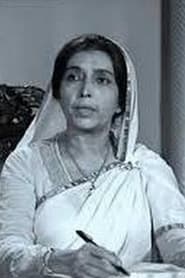
About Chhaya Devi
Actress in Indian cinema during the 1930s, best known for her role in the landmark film 'Vidyapati' (1937). She emerged during the early talkie era when Indian cinema was transitioning from silent films to sound, a period that saw the emergence of many talented performers who would shape the industry's future. Her performance in 'Vidyapati', directed by the acclaimed Debaki Bose, showcased her ability to portray complex characters with emotional depth and authenticity. The film itself was significant for its artistic merit and its contribution to the development of Indian parallel cinema. Chhaya Devi's work represented the growing sophistication of Indian cinema in the pre-independence era, where films were increasingly being used as a medium for cultural expression and social commentary. Though her filmography appears limited to this period, her contribution to early Indian cinema remains noteworthy as part of the foundation upon which the industry was built.
The Craft
On Screen
Classical Indian theatrical style adapted for early cinema, characterized by expressive performances that conveyed deep emotion through both dialogue and physical expression, typical of the transitional period from stage to screen in Indian cinema
Milestones
- Starred in the critically acclaimed film 'Vidyapati' (1937)
- Part of the early talkie era in Indian cinema
- Worked with renowned director Debaki Bose
Best Known For
Iconic Roles
Must-See Films
Working Relationships
Worked Often With
Studios
Why They Matter
Impact on Culture
Chhaya Devi's contribution to Indian cinema, though brief, represents an important period in the development of Indian film as an art form. Her work in 'Vidyapati' came during a crucial time when Indian cinema was establishing its unique identity separate from Western influences. The film itself was significant for its artistic approach and its use of cinema to explore Indian cultural themes, helping to establish a distinct Indian cinematic language that would influence future generations of filmmakers.
Lasting Legacy
While Chhaya Devi may not be widely remembered today, her participation in 'Vidyapati' places her among the women of Indian cinema who helped establish the foundation for the industry's growth. Her work represents the early emergence of women in significant acting roles in Indian films, during a time when societal norms were gradually changing to accept women's participation in the performing arts on screen.
Who They Inspired
As an early actress in Indian cinema, Chhaya Devi was part of the generation that demonstrated that women could carry substantial roles in films, paving the way for future generations of Indian actresses. The artistic quality of 'Vidyapati' and the performances within it, including hers, helped establish standards for dramatic acting in Indian cinema that would influence subsequent performers.
Off Screen
Very limited information is available about Chhaya Devi's personal life, which was common for many early Indian cinema actors whose personal details were not extensively documented. Like many actors of her era, she likely came from a background in theatre before transitioning to films during the early talkie period.
Did You Know?
- 'Vidyapati' (1937) was directed by Debaki Bose, one of the pioneers of Indian cinema
- The film 'Vidyapati' was based on the life of the medieval Maithili poet Vidyapati
- Chhaya Devi was active during the early talkie period of Indian cinema
- The film was produced by New Theatres, a major studio of the era
- 1937 was a significant year for Indian cinema with many landmark films being produced
- Early Indian cinema actors often had backgrounds in theatre before transitioning to films
- Documentation of early Indian cinema actors from the 1930s is often incomplete
Frequently Asked Questions
Who was Chhaya Devi?
Indian actress from the early talkie era of Indian cinema, best known for her role in the 1937 film 'Vidyapati'. She was part of the generation of actors who helped establish Indian cinema during its formative years.
What films is Chhaya Devi best known for?
Titles linked here include Vidyapati (1937).
When was Chhaya Devi active in cinema?
Chhaya Devi was active in Indian cinema in 1937, during the early talkie period when Indian cinema was transitioning from silent films to sound and establishing its unique artistic identity.
What was the significance of 'Vidyapati' (1937)?
'Vidyapati' was a culturally significant film directed by Debaki Bose, based on the life of the medieval poet Vidyapati. The film was noted for its artistic merit and contribution to developing a distinct Indian cinematic language.
What was Chhaya Devi's acting style?
Chhaya Devi's acting style reflected the classical Indian theatrical approach adapted for early cinema, characterized by expressive performances that conveyed deep emotion through both dialogue and physical expression, typical of the transitional period from stage to screen.