
Films
1 film
About Ou-Yang Sha-Fei
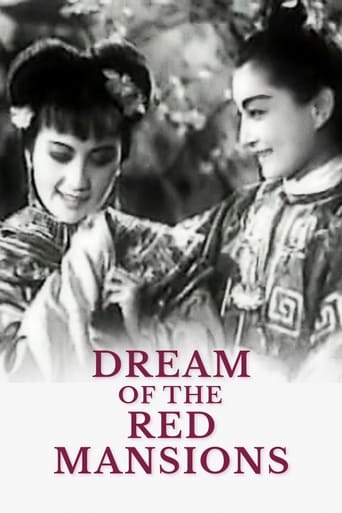
Ou-Yang Sha-Fei appeared in golden age of Chinese cinema during the 1940s. Her most notable and apparently only credited film role was in the 1944 adaptation of 'Dream of the Red Mansions,' one of China's Four Great Classical Novels. This film was produced Chinese history, when the film industry was operating under Japanese occupation in Shanghai. The 1944 version was particularly significant as it was lavish productions of its time, attempting to capture the epic scope of the literary masterpiece. Despite the limited documentation of her career, her participation in this prestigious adaptation suggests she was recognized for her acting abilities during this era. The film industry in Shanghai during this period, despite political challenges, continued to produce sophisticated works that blended traditional Chinese culture with modern cinematic techniques. Unfortunately, like many actors from this period of Chinese cinema, detailed biographical information about Ou-Yang Sha-Fei remains scarce in historical records.
The Craft
Milestones
- Starred in Dream of the Red Mansions (1944)
Best Known For
Iconic Roles
Must-See Films
Why They Matter
Impact on Culture
Ou-Yang Sha-Fei's contribution to Chinese cinema, while limited to a single documented film, represents the important work of actors during the 1940s Shanghai film industry. Her participation in 'Dream of the Red Mansions' (1944) places her within the context of significant cultural productions during a challenging period in Chinese history. The 1944 adaptation was part of the tradition of bringing classical Chinese literature to the screen, helping to preserve and popularize these cultural treasures through the medium of cinema. During this era, Chinese cinema served as both entertainment and cultural preservation, with actors like Ou-Yang Sha-Fei contributing to the documentation and interpretation of China's literary heritage for contemporary audiences.
Lasting Legacy
The legacy of Ou-Yang Sha-Fei is primarily tied to her role in one of the significant film adaptations of Chinese classical literature. While her filmography appears limited to the 1944 version of 'Dream of the Red Mansions,' this work itself has become part of the historical record of Chinese cinema's golden age. The film represents an important milestone in the adaptation of classical Chinese literature to the screen, and her contribution, though not extensively documented, is part of this broader cultural achievement. The scarcity of detailed information about her career also reflects the broader challenge of preserving the complete history of Chinese cinema from this period, particularly for actors who may not have achieved widespread fame.
Who They Inspired
Due to the limited documentation of Ou-Yang Sha-Fei's career and the apparent brevity of her filmography, specific information about her influence on other actors or filmmakers is not available in historical records. However, her participation in a major literary adaptation during the 1940s places her within the broader context of Chinese cinema's development during this crucial period.
Off Screen
Very limited information is available about Ou-Yang Sha-Fei's personal life, which is common for many Chinese actors from the 1940s period whose careers were not extensively documented in Western film archives.
Did You Know?
- The 1944 version of 'Dream of the Red Mansions' was produced during the Japanese occupation of Shanghai
- Dream of the Red Mansions is considered one of China's Four Great Classical Novels
- The 1944 film adaptation was
- Shanghai was known as the 'Hollywood of the East' during the 1930s and 1940s
- Many Chinese films from this period were lost due to war and political upheaval
- The film industry in occupied Shanghai continued to operate, though under difficult circumstances
- Classical Chinese literature adaptations were popular in Chinese cinema during this era
Frequently Asked Questions
Who was Ou-Yang Sha-Fei?
Chinese actress active in the 1940s, best known for her role in the 1944 film adaptation of 'Dream of the Red Mansions,' one of China's most celebrated classical novels.
What films is Ou-Yang Sha-Fei best known for?
Titles linked here include Dream of the Red Mansions (1944).
When was Ou-Yang Sha-Fei active in film?
Ou-Yang Sha-Fei's documented film activity was in 1944, during the golden age of Shanghai cinema, though specific birth and death dates are not available in historical records.
What was significant about the 1944 Dream of the Red Mansions film?
The 1944 adaptation was a major production during the Japanese occupation of Shanghai, representing.
Why is information about Ou-Yang Sha-Fei limited?
Detailed biographical information about many Chinese actors from the 1940s is scarce due to the historical upheavals of the period, including war and political changes that resulted in the loss of many film industry records and archives.