

Billy Murray
Actor
Born: May 25, 1877 in Philadelphia, Pennsylvania, United States Died: August 17, 1954 Active: 1897-1954 Birth Name: William Thomas Murray
Films
6 films
About Billy Murray
Billy Murray was prolific and influential recording artists of the early 20th century, active from vaudeville through the golden age of early animation. Born in Philadelphia in 1877, he began as a vaudeville performer before transitioning to recording, where his clear tenor voice proved perfectly suited to the acoustic recording technology of the era. Murray recorded thousands of songs between 1903 and the 1940s, covering popular tunes, novelty songs, and ballads for major record labels including Victor, Edison, and Columbia. In the late 1920s, he successfully pivoted to voice acting in animated cartoons, becoming one of the first performers to specialize in bringing cartoon characters to life through synchronized sound. His work with Fleischer Studios, particularly in the Betty Boop series, helped establish voice acting as a distinct art form in animation. Murray's career demonstrated remarkable adaptability, evolving with changing technologies from acoustic to electrical recording and from silent films to sound cartoons. He continued performing well into his 70s, leaving behind an extensive catalog that preserves both the musical styles and popular culture of early 20th century America.
The Craft
On Screen
Murray was renowned for his exceptionally clear, distinct tenor voice with precise enunciation that carried perfectly through early acoustic recording technology. His vocal performances were characterized by cheerful, upbeat delivery and remarkable clarity that made his recordings easily understandable on primitive playback equipment. In voice acting for cartoons, he employed exaggerated vocal expressions and character voices that matched the animated visuals, demonstrating how voice could enhance and complement animation. His style was adaptable enough to work in both straight musical performances and comedic character roles, making him invaluable in the emerging field of synchronized sound cartoons.
Milestones
- Prolific recording artists of the acoustic era with over 2,000 recordings
- Successful transition from vaudeville to recording to voice acting
- voice work for Fleischer Studios in early sound cartoons
- Recorded for major labels including Victor, Edison, and Columbia Records
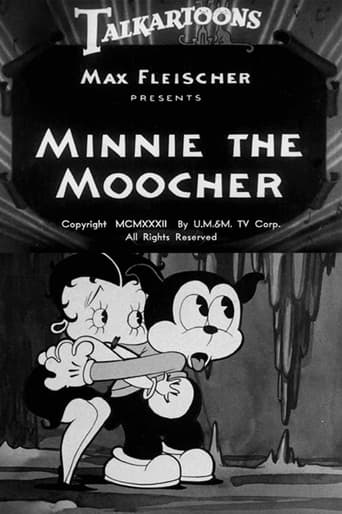
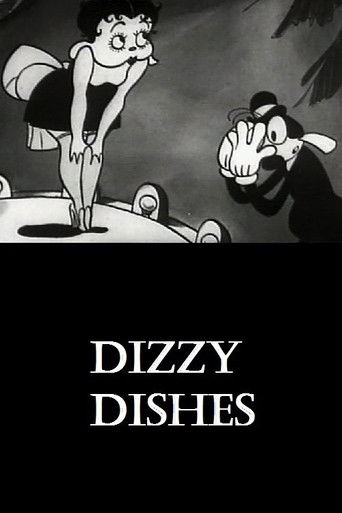
- Provided voices for Betty Boop series and other early animated cartoons
- Adapted performance style from acoustic to electrical recording technology
- Preserved early 20th century American popular music through extensive recordings
Best Known For
Iconic Roles
Must-See Films
Accolades
Won
- Grammy Hall of Fame induction (posthumous for historical recordings)
- Phonograph Industry recognition for recording contributions
- Animation history acknowledgment for voice work
Nominated
- Multiple chart-topping recordings on early Billboard charts
- Consistent popularity polls in early recording industry publications
Special Recognition
- Grammy Hall of Fame inductee for historical recordings
- Recognition by the American Folklife Center
- Cited in animation history literature as voice actor
- Preserved recordings in Library of Congress archives
- Featured in Smithsonian collection of early American recordings
Working Relationships
Worked Often With
Studios
Why They Matter
Impact on Culture
Billy Murray played a crucial role in the transition from silent to sound entertainment, helping establish standards for early sound recording and voice acting. His clear vocal technique and recording adaptability influenced how performers approached the new technology of recorded sound. In animation, Murray was among the first to demonstrate how voice characterization could enhance animated storytelling, establishing principles that would guide voice acting for decades. His extensive recordings captured the popular culture, musical styles, and social attitudes of early 20th century America, creating an invaluable historical archive. Murray's work helped bridge the gap between live performance and recorded entertainment, making recorded music accessible to mass audiences for the first time.
Lasting Legacy
Billy Murray's legacy endures through his vast recording catalog, which serves as a comprehensive document of early American popular music and culture. His work in voice acting helped establish the foundation for the entire animation voice industry, influencing countless performers who followed. Many of his recordings have been preserved, reissued, and used in films and television to authentically represent the early 20th century period. Animation historians and musicologists continue to study his techniques and contributions, recognizing him as a transitional figure who helped shape both the recording and animation industries. His adaptability across changing technologies and entertainment formats serves as a model for artistic longevity and professional evolution.
Who They Inspired
Murray influenced the development of voice acting techniques in animation, demonstrating how vocal characterization could bring cartoon characters to life. His recording methods and vocal clarity set technical standards for early sound recording that other performers emulated. Later voice actors, particularly in animation, built upon the character voice techniques he helped pioneer. His successful career transitions showed performers how to adapt to new technologies and entertainment formats, from vaudeville to recording to animation. Music historians credit Murray with preserving early 20th century American musical styles through his extensive recordings, influencing how later generations understood and interpreted this period.
Off Screen
Billy Murray led a relatively private personal life despite his public fame, maintaining professional relationships throughout the entertainment industry. He married twice, first to Nora Johnston in 1906 (later divorced) and then to Madelyn in 1929, with whom he remained until his death. Murray was known for his reliability and professionalism in the recording industry, often called upon for multiple recording sessions due to his consistent performance quality. His ability to adapt to changing technologies and entertainment formats demonstrated remarkable flexibility uncommon among performers of his era. He spent his later years in New York City, continuing to record and perform well into his 70s.
Education
Specific educational background not well-documented; typical of vaudeville-era performers who often entered show business at a young age through apprenticeship rather than formal education
Family
- Nora Johnston (1906-1928, divorced)
- Madelyn Murray (1929-1954, until his death)
Did You Know?
- Recorded over 2,000 songs during his career, making him
- Nicknamed 'The Denver Nightingale' early in his vaudeville career
- Often recorded the same song multiple times for different competing record labels
- His voice was perfectly suited to acoustic recording technology due to its clarity and range
- Performed duets with many popular female singers including Ada Jones and Henry Burr
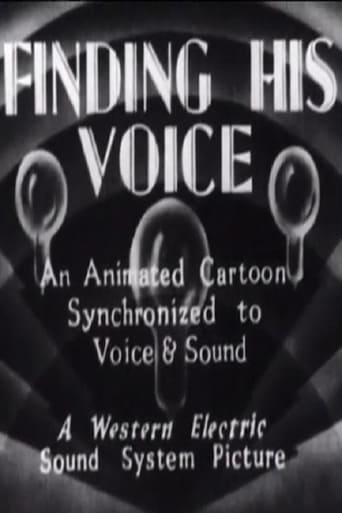
- 'Finding His Voice' (1929) was an educational cartoon that actually explained how sound recording worked
- Continued recording successfully through the transition from acoustic to electrical recording technology
- Many of his recordings have been used in period films and TV shows as authentic early 20th century music
- Was one of the first performers to specialize in voice acting for animated cartoons
- His recordings are preserved in the Library of Congress and Smithsonian Institution collections
- Adapted his singing style to match the limitations and capabilities of each new recording technology
- Worked with some of the earliest animation pioneers at Fleischer Studios
In Their Own Words
"A good song is a good song, no matter how you record it" - reflecting on his adaptability to changing recording technologies
"The voice must be clear and true for the machine to catch it properly" - on early recording techniques
"In cartoons, the voice must be bigger than life, just like the pictures" - on voice acting for animation
"Recording is not just singing, it's singing for the machine" - on the technical requirements of early recording
Frequently Asked Questions
Who was Billy Murray?
American singer and with credits in this catalog. He successfully transitioned from vaudeville to recording and later to voice work in early animated cartoons, particularly for Fleischer Studios. His clear tenor voice and professional adaptability made him a central figure in the development of recorded sound entertainment.
What films is Billy Murray best known for?
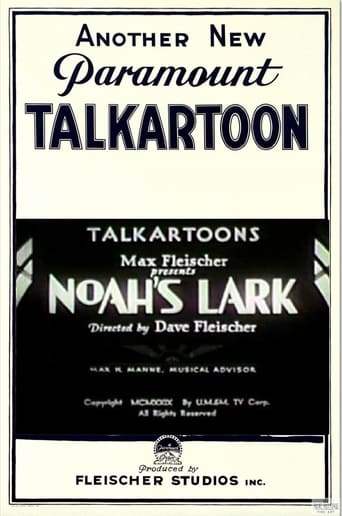
Titles linked here include Finding His Voice (1929), Noah's Lark (1929).
When was Billy Murray born and when did he die?
Born May 25, 1877; died August 17, 1954.
What awards did Billy Murray win?
While formal awards were limited during his active period, Billy Murray received posthumous recognition including induction into the Grammy Hall of Fame for several historical recordings. His contributions to early sound recording and animation voice work have been acknowledged by music historians, animation scholars, and institutions including the Library of Congress and Smithsonian Institution.
What was Billy Murray's acting style?
Murray's acting and singing style was characterized by his exceptionally clear, distinct tenor voice with precise enunciation that carried perfectly through early recording technology. For cartoon voice work, he employed exaggerated vocal expressions and character voices that matched animated visuals, helping establish early techniques for voice acting in animation. His style was adaptable enough to work in both straight musical performances and comedic character roles.
How did Billy Murray influence animation?
Billy Murray was among the first performers to demonstrate how voice could bring cartoon characters to life, establishing fundamental techniques for voice acting in animation. His work with Fleischer Studios helped prove that synchronized sound could enhance rather than distract from animated storytelling. Murray's character voices and vocal techniques influenced generations of voice actors who followed, establishing principles that still guide animation voice work today.
What made Billy Murray's recordings special?
Murray's recordings were special because his voice was perfectly suited to the limitations of early acoustic recording technology, allowing his performances to be captured with remarkable clarity for the era. His precise enunciation and clear tenor range made his recordings easily understandable on primitive playback equipment. Additionally, his vast catalog of over 2,000 recordings provides an invaluable historical archive of early 20th century American popular music and culture.