Films
1 film
About Alf Collins
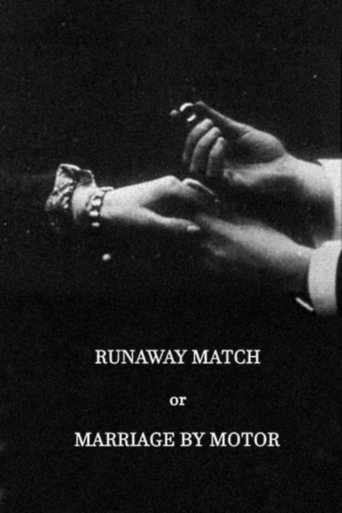
British film director who worked during the earliest days of cinema, specifically in 1903. He is best remembered for his innovative chase films that helped establish narrative techniques in early cinema. Collins worked during a period when filmmaking was still experimental, and directors often had to invent techniques as they went along. His most famous work, 'The Runaway Match, or Marriage by Motor' (1903), demonstrated early mastery of continuity editing and chase sequences that would become staples of action cinema. Though his active period appears to have been brief, Collins contributed to the development of visual storytelling techniques that would influence generations of filmmakers. His work represents an important bridge between the actualities of early cinema and the narrative films that would dominate the medium. Unfortunately, detailed records of his life and career are scarce, as was common for many early film pioneers who worked before the industry established comprehensive documentation practices.
The Craft
Behind the Camera
Collins was known for his dynamic approach to early chase sequences, utilizing moving cameras and innovative editing techniques to create excitement and momentum. His directing style emphasized physical comedy and visual storytelling, relying on action rather than intertitles to convey narrative. Collins demonstrated an early understanding of spatial continuity and pacing, techniques that would become fundamental to action cinema. His work showed particular skill in orchestrating complex movement sequences involving multiple characters and vehicles.
Milestones
- Directed 'The Runaway Match, or Marriage by Motor' (1903)
- Pioneered early chase film techniques
- Contributed to development of narrative cinema in Britain
- Worked during the foundational period of British film industry
Best Known For
Must-See Films
Accolades
Special Recognition
- Recognized as an early pioneer of British cinema
- Cited in film history books for contributions to chase film development
Working Relationships
Studios
Why They Matter
Impact on Culture
Alf Collins, though active for only a brief period, made significant contributions to the development of narrative cinema, particularly in the chase film genre. His work on 'The Runaway Match' helped establish techniques for creating suspense and excitement through visual means rather than relying on text or narration. Collins' approach to filming moving vehicles and coordinating complex action sequences influenced subsequent filmmakers working in comedy and action genres. His films represent an important step in the evolution from simple actualities to complex narrative storytelling in early cinema.
Lasting Legacy
Alf Collins' legacy lies in his contributions to the early development of chase films and action sequences in cinema. His work demonstrates the rapid evolution of film language in the early 1900s, particularly in Britain. While his name is not widely known today, film historians recognize him as an important pioneer who helped establish techniques that would become fundamental to action and comedy filmmaking. His surviving works, particularly 'The Runaway Match,' serve as valuable examples of early narrative cinema and are studied by scholars interested in the origins of film language.
Who They Inspired
Collins influenced subsequent generations of filmmakers through his innovations in chase sequences and action filming. His techniques for creating momentum and excitement through visual means were adopted and expanded upon by later directors working in comedy and action genres. The editing patterns and camera movements he experimented with helped establish conventions that would become standard in narrative cinema. His work represents an important link between the simple films of the 1890s and the more sophisticated narrative films of the 1910s and beyond.
Off Screen
Very little is documented about Alf Collins' personal life, which was common for many early film pioneers who worked before cinema became a major industry with extensive press coverage. Like many of his contemporaries, Collins likely came from a theatrical or entertainment background, as this was a common pathway into early filmmaking. The scarcity of personal details reflects the limited documentation practices of the era and the transient nature of early film work.
Did You Know?
- 'The Runaway Match, or Marriage by Motor' is one of the earliest surviving examples of a chase film
- The film features early use of a motor car, which was still a novelty in 1903
- Collins worked during a period when most films were under one minute long
- His career represents the typical brief tenure of many early film pioneers
- The title of his most famous film reflects the fascination with new technology in the early 1900s
- Chase films like Collins' work were among the most popular genres in early cinema
- His films were likely shot on location rather than in studios, which was common for early British films
- The lack of detailed records about Collins reflects the transient nature of early film work
Frequently Asked Questions
Who was Alf Collins?
British on YTB.my.' He was an early innovator in chase films and contributed to the development of narrative cinema during its formative years.
What films is Alf Collins best known for?
Titles linked here include The Runaway Match, or Marriage by Motor (1903).
When was Alf Collins born and when did he die?
Specific birth and death dates for Alf Collins are not documented, which was common for many early film pioneers. He was active as a director in 1903 and was British by nationality.
What awards did Alf Collins win?
Alf Collins did not receive formal awards during his career, as he worked before the establishment of major film awards. His recognition comes primarily from film historians who acknowledge him as an important pioneer of early cinema.
What was Alf Collins' directing style?
Collins' directing style focused on dynamic chase sequences and physical comedy. He demonstrated early mastery of continuity editing and was innovative in filming moving vehicles and coordinating complex action sequences, helping establish techniques fundamental to action cinema.