Films
1 film
About María Padín
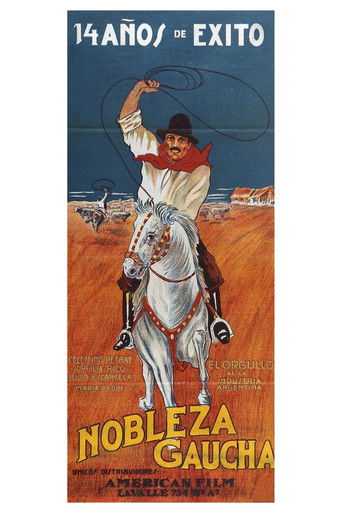
María Padín appears once in this catalog: Nobleza Gaucha (1915). Her career was notably brief but significant, occurring during a crucial period when Argentine cinema was establishing its identity separate from European and American influences. Padín is primarily known for her role in the 1915 silent film 'Gaucho Nobility' (Nobleza Gaucha), which became early works of Argentine cinema. This film, directed by Eduardo Martínez de la Pera and Ernesto Gunche, was instrumental in developing the gaucho genre in Argentine cinema, focusing on the romanticized figure of the Argentine cowboy. Padín's participation in this landmark production places her among the actresses of Argentine film history. Despite her limited filmography, her contribution to this foundational work ensures her place in the annals of early cinema. Her career appears to have been confined to 1915, making her a representative figure of the transient nature of early film careers in South America.
The Craft
On Screen
As a silent film actress from 1915, María Padín would have employed the exaggerated gestures and facial expressions typical of early cinema, using physical performance to convey emotion and narrative in the absence of synchronized sound. Her style would have been influenced by theatrical traditions while adapting to the new medium of film.
Milestones
- Starred in 'Nobleza Gaucha' (1915),
- Participated in establishing the gaucho genre in Argentine cinema
- Contributed to the development of Argentine national cinema identity
Best Known For
Iconic Roles
Must-See Films
Accolades
Special Recognition
- Recognized as part of the cast of one of Argentina's most important early films
Working Relationships
Worked Often With
Studios
Why They Matter
Impact on Culture
María Padín's contribution to Argentine cinema, though brief, is culturally significant through her participation in 'Nobleza Gaucha,' a film that helped establish Argentine national identity through cinema. The gaucho genre that this film pioneered became central to Argentine cultural expression in film, representing the country's rural traditions and national character. By being part of this foundational work, Padín contributed to the development of a distinctly Argentine cinematic language that would influence generations of filmmakers and help distinguish Argentine cinema from Hollywood and European productions.
Lasting Legacy
María Padín's legacy is preserved through her association with. 'Nobleza Gaucha' is frequently cited by film historians as a cornerstone of Argentine film heritage, and all cast members, including Padín, are remembered as pioneers of the nation's cinematic arts. While her individual career was brief, her contribution to this landmark film ensures her place in the historical narrative of South American cinema development during the silent era.
Who They Inspired
As an early pioneer in Argentine cinema, María Padín represents the generation of actors who helped establish film as a legitimate art form in South America. Her work, though limited, contributed to the foundation upon which later Argentine actors and filmmakers would build. The success of 'Nobleza Gaucha' demonstrated the viability of Argentine-produced films with local themes, encouraging the development of a national film industry that would produce many notable talents in subsequent decades.
Off Screen
Very little is documented about María Padín's personal life, which is typical for many early film actors from the silent era in South America. Her brief active years covered only 1915, and detailed biographical information about her family background, personal relationships, or life outside of filmmaking has not been preserved in historical records.
Did You Know?
- 'Nobleza Gaucha' (1915) in which she appeared is considered one of the first feature films produced in Argentina
- The film was a massive commercial success and ran for several months in Buenos Aires theaters
- The gaucho genre that this film helped establish became a recurring theme in Argentine cinema for decades
- Early Argentine cinema was heavily influenced by Italian and French film productions, but 'Nobleza Gaucha' helped establish a uniquely Argentine voice
- Silent films from this era in Argentina are extremely rare, with many lost to time, making surviving films like 'Nobleza Gaucha' particularly valuable
- The film's success demonstrated that Argentine audiences wanted to see stories about their own culture and traditions on screen
- Padín's career was typical of many early film actors who participated in only one or two productions during cinema's years
Frequently Asked Questions
Who was María Padín?
Early Argentine silent film actress active in 1915, best known for her role in the landmark film 'Nobleza Gaucha.' She was one of the actresses in Argentine cinema during its formative years.
What films is María Padín best known for?
Titles linked here include Nobleza Gaucha (1915).
When was María Padín born and when did she die?
Specific birth and death dates for María Padín are not documented in available historical records, which is common for many early film actors from the silent era in South America.
What awards did María Padín win?
No formal awards are documented for María Padín, as award systems for cinema were not established during her brief career in 1915. Her recognition comes from her participation in a historically significant film.
What was María Padín's acting style?
As a silent film actress from 1915, María Padín would have used the exaggerated gestures and facial expressions typical of early cinema, employing physical performance techniques to convey emotion and narrative without synchronized sound.