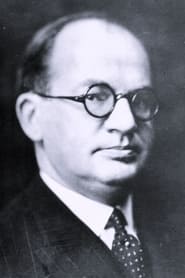
Erich Schönfelder
Actor
Born: April 23, 1885 in Berlin, Germany Died: May 8, 1933 Active: 1916-1933
Films
3 films

About Erich Schönfelder
Erich Schönfelder worked on one surviving credit: Meyer from Berlin (1919). He began his film career in 1916 with notable appearances in comedies that would later become classics of the era. Schönfelder worked extensively with director Ernst Lubitsch, appearing in several of his early films including the acclaimed 'Meyer from Berlin' (1919). His performances were characterized by a naturalistic approach that helped distinguish German comedy from its more theatrical contemporaries. Beyond acting, Schönfelder transitioned into directing during the early 1920s, helming several comedies and light dramas. His career, though relatively brief, coincided with a crucial period in German cinema's development from primitive storytelling to sophisticated narrative techniques. Schönfelder's work represents an important bridge between early German film comedy and the more sophisticated works that would emerge in the 1920s.
The Craft
On Screen
Schönfelder's acting style embodied the naturalistic approach that characterized the best of German silent comedy. Unlike many of his contemporaries who relied on exaggerated gestures and melodramatic expressions, Schönfelder employed subtle facial expressions and restrained body language that made his characters more relatable and authentic. His performances often featured a dry wit and understated comedic timing that influenced later German comedy actors. He had a particular talent for playing the everyman character caught in absurd situations, using minimal movements to maximum comedic effect.
Milestones
- Breakthrough role in 'Pinkus's Shoe Palace' (1916)
- Collaboration with Ernst Lubitsch on 'Meyer from Berlin' (1919)
- Transition to directing in the early 1920s
- Directed over 20 films between 1920-1933
- Worked frequently with leading German comedy actors of the era
Best Known For
Iconic Roles
Must-See Films
Working Relationships
Worked Often With
Studios
Why They Matter
Impact on Culture
Erich Schönfelder played a significant role in the development of German silent comedy during its formative years. His collaborations with Ernst Lubitsch helped establish a uniquely German approach to cinematic humor that emphasized subtlety and sophistication over broad slapstick. Schönfelder's work represented a bridge between the more primitive early German comedies and the sophisticated works that would emerge in the mid-1920s. His naturalistic acting style influenced subsequent generations of German comedy actors and helped establish a more realistic approach to film performance that would become standard in German cinema.
Lasting Legacy
Though not as widely remembered as some of his contemporaries, Erich Schönfelder's legacy lives on through his contributions to early German cinema. His films, particularly those made with Lubitsch, are studied by film historians as examples of the sophisticated comedy that emerged from Germany in the 1910s and 1920s. Schönfelder's transition from actor to director exemplified the career paths available to creative artists in the early German film industry. His work remains an important part of film history, particularly for scholars studying the evolution of German silent comedy and the development of cinematic acting techniques.
Who They Inspired
Schönfelder's naturalistic acting style influenced the approach to comedy performance in German cinema, moving away from theatrical exaggeration toward more subtle, realistic portrayals. His work with Ernst Lubitsch contributed to the development of what would become known as the 'Lubitsch touch,' a sophisticated style of comedy that influenced filmmakers worldwide. As a director, Schönfelder mentored younger actors and crew members, helping to establish professional standards in the rapidly growing German film industry. His emphasis on clear storytelling and character development provided a model for subsequent German comedy directors.
Off Screen
Erich Schönfelder was born and raised in Berlin during the height of the German Empire. His career flourished during the Weimar Republic, a period of tremendous artistic freedom in German cinema. He married fellow actress Grete Reinwald in 1921, and the couple had one child together. Schönfelder's life was marked by the dramatic political changes in Germany, from the imperial era through World War I, the Weimar Republic, and finally the rise of the Nazi regime. His death in 1933 coincided with the Nazi seizure of power, which dramatically altered the German film industry.
Education
Limited information available, likely received theatrical training in Berlin during the early 1910s
Family
- Grete Reinwald (1921-1933)
Did You Know?
- Appeared in over 40 films as an actor before transitioning to directing
- Worked with Ernst Lubitsch during Lubitsch's early German period before Lubitsch moved to Hollywood
- His film 'Meyer from Berlin' was one of Lubitsch's first major successes
- Schönfelder was part of the generation of German filmmakers who established the country as a major cinema power in the 1920s
- His career coincided with the transition from short one-reel films to feature-length productions
- Many of his films are now considered lost, a common fate for early German cinema
- He was active during the same period as other German comedy pioneers like Harry Piel and Georg Jacoby
- His directing career focused primarily on light entertainment rather than the expressionist dramas Germany was famous for
- Died at age 48, just as the Nazi regime was beginning to transform the German film industry
- His wife Grete Reinwald came from a famous acting family that included her sister Hanni Reinwald
In Their Own Words
Comedy in film should be as natural as breathing - the audience should laugh without realizing why they're laughing.
Frequently Asked Questions
Who was Erich Schönfelder?
German actor and on YTB.my.
What films is Erich Schönfelder best known for?
Titles linked here include Pinkus's Shoe Palace (1916), Meyer from Berlin (1919).
When was Erich Schönfelder born and when did he die?
Born April 23, 1885; died May 8, 1933.
What awards did Erich Schönfelder win?
No major awards or nominations are documented for Erich Schönfelder, which was common for film industry professionals during the early silent era before formal award systems were established.
What was Erich Schönfelder's acting style?
Schönfelder employed a naturalistic acting style characterized by subtle expressions and restrained movements, contrasting with the exaggerated theatricality common in early silent films.
How did Erich Schönfelder influence German cinema?
Schönfelder helped develop a sophisticated approach to German comedy through his work with Ernst Lubitsch, influencing the transition from theatrical to naturalistic film acting in German cinema.