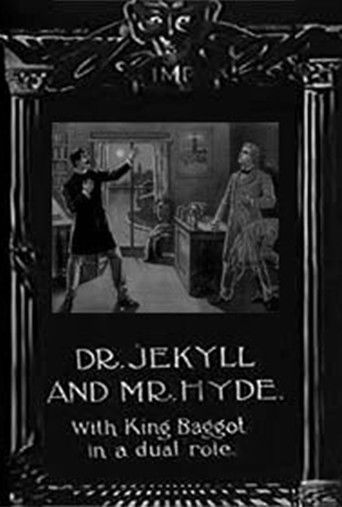
Films
2 films
About William Sorelle
Actor during the early silent film era, known primarily for his appearance in the 1913 adaptation of Robert Louis Stevenson's 'Dr. Jekyll and Mr. Hyde.' His career appears to have been extremely brief, with documented work limited to this single production from 1913. The 1913 version was among the earliest cinematic adaptations of the famous novella, produced American filmmaking when motion pictures were transitioning from short novelty subjects to more substantial narrative works. Like many actors from this era, detailed records of Sorelle's life and career are scarce, reflecting the incomplete documentation practices of early film production. His participation in this significant early adaptation places him among the foundational performers of American cinema, though his contribution remains largely undocumented in film historical records. The transient nature of early film careers meant many performers like Sorelle appeared in only a handful of productions before leaving the industry.
The Craft
Milestones
- Appeared in the 1913 film adaptation of 'Dr. Jekyll and Mr. Hyde'
Best Known For
Iconic Roles
Must-See Films
Why They Matter
Impact on Culture
William Sorelle's contribution to cinema, while documented through his appearance in the 1913 'Dr. Jekyll and Mr. Hyde,' represents the broader phenomenon of early film actors whose work has been largely lost to history. His participation in one of the earliest adaptations of Stevenson's famous work places him within the foundational generation of performers who helped establish the language of cinematic storytelling. The 1913 version itself was significant as an early attempt to bring complex literary characters to the screen, and actors like Sorelle were instrumental in this transitional period when film was evolving from simple novelty to narrative art form. Though individual details about his performance are lost, his work contributed to the early development of horror and psychological thriller genres in cinema.
Lasting Legacy
William Sorelle's legacy is primarily as a representative figure of the countless early film actors whose contributions have been obscured by time. His appearance in the 1913 'Dr. Jekyll and Mr. Hyde' ensures his place in film history, however marginal, as one of the performers who participated in bringing classic literature to the silver screen during cinema's formative years. The story of actors like Sorelle illustrates the ephemeral nature of early film fame and the challenges of film preservation and historical documentation from the silent era. While his individual impact may be difficult to assess due to limited records, he represents the foundation upon which later generations of film actors built their careers.
Who They Inspired
Due to the extremely brief and poorly documented nature of William Sorelle's career, there is no available information about his influence on other actors or filmmakers. This is typical of many performers from the very early silent era whose work and impact have been largely lost to film history.
Off Screen
Very little is documented about William Sorelle's personal life, which is common for actors from the very early silent era who had brief careers. The lack of available biographical information reflects the incomplete historical records from this period of American cinema.
Did You Know?
- The 1913 'Dr. Jekyll and Mr. Hyde' was one of the earliest film adaptations of Robert Louis Stevenson's famous novella
- William Sorelle's entire documented film career spans only a single year (1913)
- Very little documentation exists about actors from this very early period of American cinema
- The 1913 version of 'Dr. Jekyll and Mr. Hyde' was likely a short film, as was typical for the era
- Many actors from the 1910s left the industry quickly due to the unstable nature of early film production
- Film credits and comprehensive cast lists were not always systematically maintained in the early 1910s
Frequently Asked Questions
Who was William Sorelle?
American with credits in this catalog. Jekyll and Mr. Hyde.' His documented career was extremely brief, limited to work in 1913 only.
What films is William Sorelle best known for?
Titles linked here include Dr. Jekyll and Mr. Hyde (1913).
When was William Sorelle born and when did he die?
Specific birth and death dates for William Sorelle are not available in historical records, which is common for actors from the very early silent era who had brief careers and limited documentation.
What awards did William Sorelle win?
There are no records of William Sorelle receiving any major awards or recognition. The Academy Awards were not established until 1929, well after his brief career in film had ended.
What was William Sorelle's acting style?
Due to the lack of surviving films and documentation about his work, William Sorelle's specific acting style cannot be determined. Actors from this period typically used the exaggerated gestures and expressions common in stage acting adapted for the silent medium.
Why is so little known about William Sorelle?
The scarcity of information about William Sorelle reflects the broader challenges of documenting early film history. Many records from the 1910s have been lost, and actors with brief careers often received minimal documentation from studios that were still developing systematic record-keeping practices.