Films
2 films
About Jean Hathaway
American actress who worked during the silent film era, with her entire documented film career concentrated in the year 1918. Jean appears primarily in supporting roles, with her most notable performances being in 'The Craving' and 'The Finger of Justice,' both released in 1918. Like many character actors of the silent period, her career was brief and she did not achieve the lasting fame of leading stars of the era. Her work, while limited in quantity, contributed to the early American cinema during a transitional period when the film industry was establishing itself as a major cultural force. After 1918, there are no documented film appearances, suggesting she may have left the industry, married, or pursued other interests. The scarcity of biographical information about Hathaway is typical of many supporting players from early cinema whose personal lives were not extensively documented in contemporary publications or preserved in film archives.
The Craft
Milestones
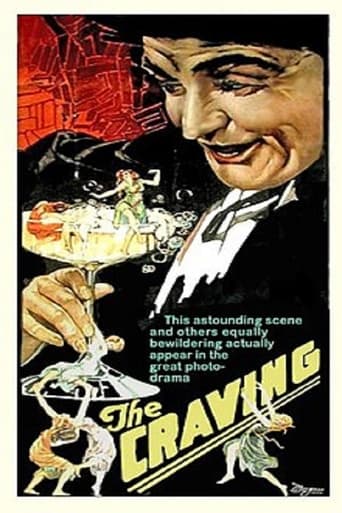
- Appeared in 'The Craving' (1918)
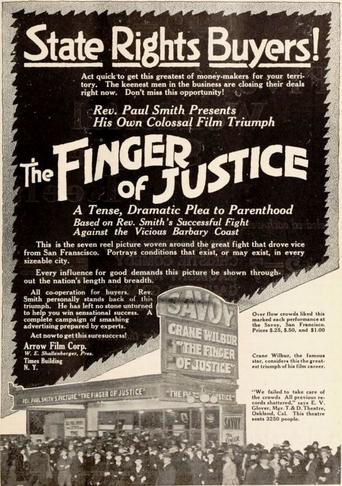
- Appeared in 'The Finger of Justice' (1918)
Best Known For
Must-See Films
Why They Matter
Impact on Culture
Jean Hathaway's cultural impact was limited to her brief contributions to silent cinema in 1918. As a supporting actress during the formative years of American film, she was part of the foundation upon which the Hollywood studio system would later be built. While her individual performances were not widely documented or preserved in film history, she represents the countless character actors who filled out the casts of early films, providing the necessary depth and realism to the emerging medium. Her work in films like 'The Craving' and 'The Finger of Justice' contributed to the development of narrative storytelling techniques that would become standard in cinema.
Lasting Legacy
Jean Hathaway's legacy is primarily as a representative of the many anonymous supporting actors who populated silent films during the industry's early years. Her brief career in 1918 places her within the transitional period of American cinema when the art form was evolving from simple one-reel shorts to more complex feature-length narratives. While she did not achieve lasting fame, her contributions to films of 1918 are part of the historical record of early American cinema. The limited documentation of her career serves as a reminder of how many performers from the silent era have been lost to history, their work existing only in film archives or historical records.
Who They Inspired
There is no documented evidence of Jean Hathaway directly influencing other actors or filmmakers, which is typical for supporting players with brief careers in the silent era. Her influence, if any, would have been indirect through her contributions to the films in which she appeared, helping to establish the conventions of silent film acting that would be built upon by subsequent generations of performers.
Off Screen
Very little is documented about Jean Hathaway's personal life, which is common for many supporting actors from the silent era who did not achieve major stardom. Like many actresses of her time, her personal history was not extensively recorded in contemporary publications or preserved in historical archives.
Did You Know?
- Jean Hathaway's entire documented film active years covered only one year - 1918
- She appeared in at least two films that were released in 1918
- Like many silent era supporting actors, detailed biographical information about her is scarce
- Her career coincided with the final years of World War I, a period of significant change in the film industry
- The films she appeared in were produced during the transitional period when American cinema was moving toward dominance in global film production
- No sound films featuring Jean Hathaway exist, as her career preceded the widespread adoption of synchronized sound in cinema
- Her lack of documentation is typical of many character actors from the silent period whose personal lives were not extensively recorded
Frequently Asked Questions
Who was Jean Hathaway?
American actress who worked during the silent film era, with her entire documented career concentrated in 1918. She appeared in supporting roles in films such as 'The Craving' and 'The Finger of Justice,' contributing to early American cinema during its formative years.
What films is Jean Hathaway best known for?
Titles linked here include The Craving (1918), The Finger of Justice (1918).
When was Jean Hathaway born and when did she die?
Unfortunately, specific birth and death dates for Jean Hathaway are not documented in available historical records, which is common for many supporting actors from the silent era who did not achieve major stardom.
What awards did Jean Hathaway win?
There are no documented awards or nominations for Jean Hathaway, which was typical for supporting actors during the silent era when formal award systems in the film industry were not yet established as they would be in later decades.
What was Jean Hathaway's acting style?
Specific details about Jean Hathaway's acting style are not documented in available sources, though as a silent era actress, she would have employed the exaggerated gestures and facial expressions characteristic of the period before the advent of synchronized sound in cinema.