Films
2 films
About Nellie Grant
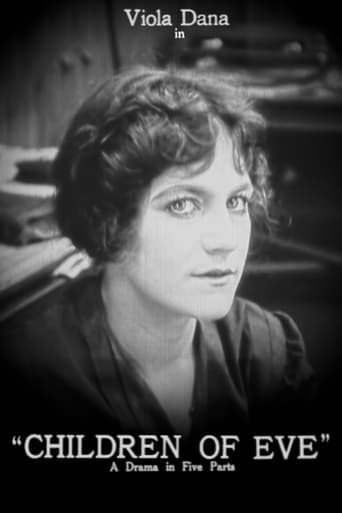
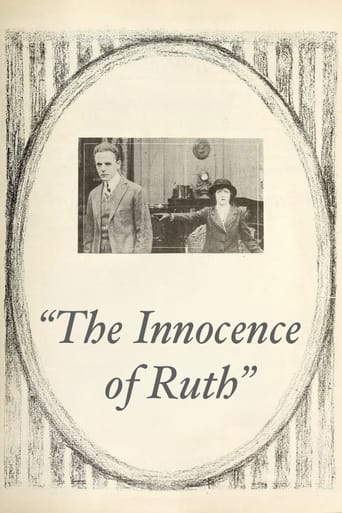
Silent film actress who had a brief but notable career during the early years of American cinema. Her filmography, though limited, showcases her work during a transformative period in filmmaking when the industry was transitioning from short subjects to feature-length narratives. Nellie appears in 'Children of Eve' (1915), a significant social drama film that addressed contemporary issues of its time, and 'The Innocence of Ruth' (1916), which demonstrated the evolving storytelling techniques of the silent era. Like many actors of her generation, Grant's career coincided with the rapid expansion of the film industry and the establishment of Hollywood as the center of American cinema production. Her performances, though preserved in only a handful of films, represent the artistic sensibilities of mid-1910s silent cinema, characterized by exaggerated gestures and emotive expressions necessary to convey story without dialogue. The brevity of her career suggests she may have been among the many actors who participated in the early film industry boom but did not achieve lasting stardom as the industry matured and professionalized.
The Craft
On Screen
As a silent film actress of the mid-1910s, Nellie Grant would have employed the theatrical acting style typical of the era, characterized by expressive facial gestures and body language to convey emotion and narrative without spoken dialogue. Her performances would have emphasized broad physical movements and exaggerated facial expressions, techniques necessary to communicate story and character to audiences in the absence of sound. This style, while appearing melodramatic to modern viewers, was the established acting method of early cinema and required considerable skill to effectively communicate subtle emotional states through visual means alone.
Milestones
- Appeared in 'Children of Eve' (1915)
- Starred in 'The Innocence of Ruth' (1916)
- Participated in early American silent cinema during its formative years
Best Known For
Must-See Films
Why They Matter
Impact on Culture
Nellie Grant's contribution to cinema, while limited in scope, represents the collective effort of countless actors who participated in the foundational years of American film. Her work in 'Children of Eve' (1915) is particularly noteworthy as the film was among the early productions to address social issues through the medium of cinema, helping establish film as a vehicle for social commentary. These early performances by actors like Grant helped develop the language of cinematic storytelling and contributed to the evolution of acting techniques that would later be refined as the medium matured. Though her individual impact may be difficult to trace, she was part of the generation of performers who helped establish cinema as a legitimate art form and entertainment industry in America.
Lasting Legacy
Nellie Grant's legacy is preserved through her surviving film work, which serves as a valuable historical record of early American cinema and the acting styles of the silent era. Her performances in 'Children of Eve' and 'The Innocence of Ruth' provide contemporary audiences and film historians with insight into the technical and artistic approaches of mid-1910s filmmaking. While she did not achieve the lasting fame of some of her contemporaries, her contribution to the early film industry represents the work of the many actors who formed the backbone of Hollywood's golden age, even if their names have faded from popular memory. Her films remain important artifacts for understanding the evolution of American cinema and the development of film as an art form.
Who They Inspired
As a relatively minor figure in early cinema, Nellie Grant's direct influence on subsequent generations of actors and filmmakers is difficult to trace. However, like many actors of her era, she contributed to the establishment of acting conventions and techniques that would be refined and built upon by later performers. Her work in early social dramas helped demonstrate the potential of cinema as a medium for addressing contemporary issues, influencing the development of more sophisticated narrative films in subsequent years. The cumulative effect of performances by actors like Grant helped establish the foundation upon which the Golden Age of Hollywood would be built.
Off Screen
Very little is documented about Nellie Grant's personal life, which was common for many supporting actors and actresses from the early silent film era who did not achieve major stardom. The lack of biographical information suggests she may have left the film industry shortly after her brief appearance in the mid-1910s, possibly returning to private life or pursuing other career paths outside of entertainment.
Did You Know?
- Nellie Grant had an extremely brief film career spanning only two years (1915-1916)
- Both of her known films were produced during a pivotal period when American cinema was transitioning from short films to feature-length productions
- 'Children of Eve' (1915) was one of the early American films to tackle social issues, focusing on themes of poverty and social reform
- Like many silent film actors, her career ended before the transition to sound pictures in the late 1920s
- The preservation status of her films varies, with some early silent films having been lost to time due to the unstable nature of early film stock
- Actors with such brief careers in the silent era often worked for multiple studios without long-term contracts
- The mid-1910s saw massive growth in the American film industry, with many actors like Grant entering the field during this boom period
Frequently Asked Questions
Who was Nellie Grant?
Silent film actress active during the mid-1910s, known for her appearances in 'Children of Eve' (1915) and 'The Innocence of Ruth' (1916). She had a brief but notable career during the formative years of American cinema.
What films is Nellie Grant best known for?
Titles linked here include Children of Eve (1915), The Innocence of Ruth (1916).
When was Nellie Grant born and when did she die?
Specific birth and death dates for Nellie Grant are not documented in available historical records, which is common for many actors from the early silent era who had brief careers.
What awards did Nellie Grant win?
There are no recorded awards or nominations for Nellie Grant, as the major film award systems were not established during her brief career in the mid-1910s.
What was Nellie Grant's acting style?
As a silent film actress of the mid-1910s, Grant would have used the theatrical acting style typical of the era, featuring expressive gestures and facial expressions to convey emotion without dialogue.
Why was Nellie Grant's career so short?
The brevity of Nellie Grant's career (1915-1916) was not uncommon for actors in early cinema, as many participated in the industry boom but did not achieve lasting stardom as the film industry professionalized.
What is Nellie Grant's significance in film history?
While not a major star, Grant represents the many actors who contributed to early American cinema's development, helping establish film as an art form and entertainment medium during its crucial formative years.