Films
1 film
About Craighall Sherry
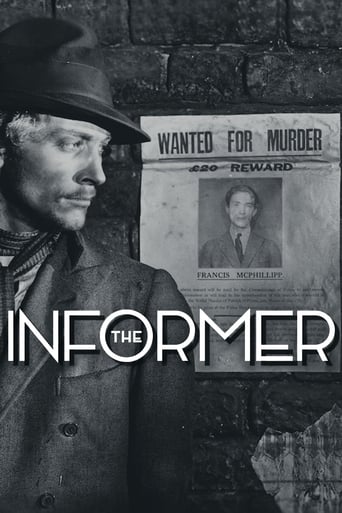
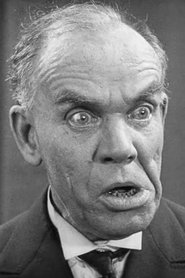
American actor who appeared briefly during the transition from silent films to talkies in the late 1920s. His career was notably short-lived, with his only known credited appearance being in the 1929 drama 'The Informer,' directed by Arthur Robison. This film was one of the early sound productions that tackled the difficult subject matter of betrayal during the Irish War of Independence. Sherry's role in this early talkie placed him among the actors who navigated the technical challenges of sound recording during cinema's transitional period. Despite appearing in what was considered a significant production of its time, Sherry's acting career did not extend beyond this single known film credit. Like many actors of this era who struggled with the transition to sound or chose other career paths, his contribution to cinema remains limited to this early sound production.
The Craft
Milestones
- Appeared in 'The Informer' (1929), an early sound film adaptation of Liam O'Flaherty's novel
Best Known For
Iconic Roles
Must-See Films
Why They Matter
Impact on Culture
Craighall Sherry's cultural impact is minimal due to his extremely brief film career, consisting of only one known appearance in 'The Informer' (1929). As an actor during the crucial transitional period from silent films to talkies, he represents the many performers who attempted to navigate the technical and artistic challenges of early sound cinema but did not achieve lasting fame. His participation in an early adaptation of a significant literary work places him within the broader context of Hollywood's attempts to bring serious dramatic literature to the screen during the early sound era.
Lasting Legacy
Craighall Sherry's legacy in film history is essentially non-existent beyond his single credited appearance in 'The Informer' (1929). He represents the countless actors who appeared in early sound films but whose careers did not materialize into lasting recognition. His brief presence in cinema serves as a reminder of the vast number of performers who contributed to early films during Hollywood's transitional period but whose names and contributions have been largely lost to time.
Who They Inspired
Given his extremely limited filmography, Craighall Sherry had no discernible influence on other actors or directors. He appears to have been one of the many actors who passed through Hollywood during the early sound era without leaving a significant mark on the industry or its artistic development.
Off Screen
Very little is documented about Craighall Sherry's personal life, which is common for actors who had brief careers during the early sound era. His limited filmography suggests he may have been either a stage actor who briefly ventured into films, someone who left the industry shortly after beginning, or possibly an extra or minor character actor whose career was not extensively documented.
Did You Know?
- Craighall Sherry's entire known film career consists of a single film appearance in 1929
- He appeared in 'The Informer' during the challenging transition period from silent films to talkies
- The 1929 version of 'The Informer' he appeared in was overshadowed by John Ford's more famous 1935 adaptation
- Like many actors of his era, his personal details and background remain largely undocumented
- His name 'Craighall' is quite unusual and may indicate Scottish heritage
- No records exist of any stage work or other film appearances beyond his 1929 role
Frequently Asked Questions
Who was Craighall Sherry?
Screen credits include only one known film, 'The Informer' (1929). His career was extremely brief and he represents one of the many actors who worked during the early sound era but did not achieve lasting recognition in Hollywood.
What films is Craighall Sherry best known for?
Titles linked here include The Informer (1929).
When was Craighall Sherry born and when did he die?
Unfortunately, no reliable records exist regarding Craighall Sherry's birth or death dates. Like many minor actors from the early sound era, his personal details remain undocumented in film archives and historical records.
What awards did Craighall Sherry win?
Craighall Sherry did not receive any known awards or nominations for his brief acting career. His limited filmography and minor status in the industry meant he was not recognized with any formal honors during his time in Hollywood.
What was Craighall Sherry's acting style?
Due to the lack of documentation about his work and the fact that 'The Informer' (1929) is not widely available for viewing, there is no reliable information about Craighall Sherry's specific acting style or techniques.
Why did Craighall Sherry's career end so quickly?
The reasons for Craighall Sherry's abrupt departure from acting are unknown, but this was common during the early sound era when many actors struggled with the transition to talkies, chose different career paths, or were unable to secure further roles in the rapidly changing industry.