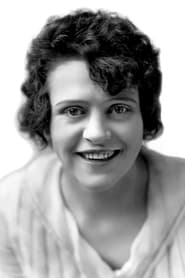
Helen Gibson
Actor
Born: August 27, 1892 in Cleveland, Ohio, USA Died: October 10, 1977 Active: 1912-1929 (with occasional appearances in the 1930s and 1940s) Birth Name: Rose August Wenger
Films
1 film
About Helen Gibson
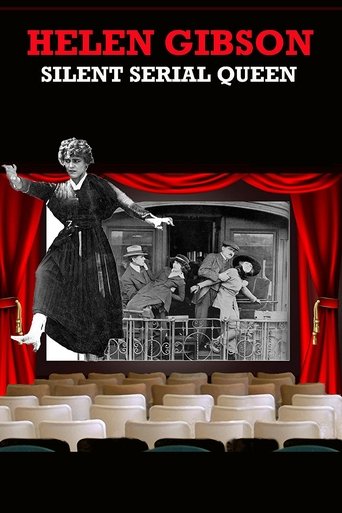
Helen Gibson, born Rose August Wenger, was a silent film actress and stunt performer who became one of cinema's first female action stars. Beginning her career as a stunt double for Grace Cunard in Universal's western serials, she quickly gained recognition for her remarkable athletic abilities and courage in performing dangerous stunts. Gibson rose to prominence as the star of 'The Hazards of Helen' serial series (1914-1917), successful serials of the silent era, where she performed all her own stunts including riding motorcycles off cliffs and jumping from moving trains. She married director J.P. McGowan in 1914, with whom she frequently collaborated both personally and professionally until their divorce in 1920. Throughout the 1920s, Gibson continued to appear in numerous western and action films, including 'The Ghost of the Canyon' (1920), cementing her reputation as a capable and resourceful heroine. After retiring from regular film work in 1929, she made occasional appearances in sound films during the 1930s and 1940s before transitioning to a career in real estate. Gibson passed away in 1977, leaving behind a legacy as a trailblazer who challenged gender stereotypes and expanded the possibilities for women in action cinema.
The Craft
On Screen
Helen Gibson's acting style was characterized by athletic energy and physical authenticity, emphasizing naturalistic performances enhanced by her willingness to perform dangerous stunts herself. Unlike the melodramatic style common in silent era acting, Gibson focused on physical prowess and determination, bringing credibility to her action sequences. Her performances demonstrated remarkable courage and skill, making her characters believable as capable, resourceful women who could handle themselves in dangerous situations.
Milestones
- Starred in 'The Hazards of Helen' serial series (1914-1917)
- One of the first women to perform dangerous stunts in films
- female action star in silent westerns
- Worked extensively with Universal Pictures
- Transitioned from stunt double to leading actress
- Performed all her own dangerous stunts including train jumps and motorcycle stunts
- Established template for female-led action content
Best Known For
Iconic Roles
Must-See Films
Accolades
Won
- Inducted into the Stuntmen's Hall of Fame
Special Recognition
- recognition as one of cinema's first female stunt performers
- Stuntmen's Hall of Fame inductee
- Recognized by film historians as a groundbreaking figure in action cinema
- Cited as an early feminist icon in film history
Working Relationships
Worked Often With
Studios
Why They Matter
Impact on Culture
Helen Gibson broke significant barriers for women in the film industry, particularly in the action and stunt genres. At a time when women were typically cast in passive or romantic roles, Gibson demonstrated that female characters could be active, capable, and heroic. Her performances challenged gender stereotypes and paved the way for future action heroines. She proved that women could perform dangerous stunts with the same skill and courage as their male counterparts, expanding the possibilities for women in action cinema and influencing how female characters would be portrayed in adventure and western films for decades to come.
Lasting Legacy
Helen Gibson's legacy lies in her role as one of cinema's first female action stars and stunt performers. She demonstrated that women could be the heroes of their own stories, performing daring feats that captivated audiences of the silent era. Her work in 'The Hazards of Helen' series established a template for female-led action content that would influence generations of filmmakers. Gibson's contributions to cinema have been recognized by film historians and preservationists as crucial to understanding the evolution of action cinema and the role of women in early Hollywood, making her an important figure in feminist film history.
Who They Inspired
Gibson influenced subsequent generations of stunt performers and action stars, both male and female. Her willingness to perform dangerous stunts challenged industry norms about what women could and couldn't do in films. She helped establish the credibility of female action performers, making it easier for later stars like Pearl White and eventually modern action heroines to be taken seriously in physically demanding roles. Her techniques and approach to stunt work influenced the development of safety practices and choreography in action sequences, setting standards that would benefit the entire industry.
Off Screen
Helen Gibson was known for her independent spirit and determination to succeed in a male-dominated industry. She married director J.P. McGowan in 1914, with whom she had both a personal and professional relationship, frequently collaborating on films. Their marriage ended in divorce in 1920, after which she married Clifton E. Long in 1928. Gibson had no children. After retiring from films, she worked as a real estate agent, demonstrating her entrepreneurial spirit beyond the entertainment industry. She was respected for her professionalism and dedication to her craft, often insisting on performing her own stunts despite the dangers involved.
Education
Limited formal education was typical for performers of her era. Gibson learned her craft through hands-on experience in the film industry, starting as a stunt double and gradually developing her skills as an actress through practical experience and on-the-job training.
Family
- J.P. McGowan (1914-1920)
- Clifton E. Long (1928-1968)
Did You Know?
- She was one of the first women to perform dangerous stunts in motion pictures
- Gibson could ride a horse standing up and perform other difficult equestrian feats
- She once jumped from a moving train onto a horse at full gallop for a film sequence
- 'The Hazards of Helen' series was
- She was paid $50 per week initially, which was substantial for the time
- Gibson performed all her own stunts, including riding motorcycles off cliffs
- She was known for her athletic build and physical fitness, unusual for actresses of her time
- After retiring from films, she worked as a real estate agent
- She made a brief comeback in sound films, often in uncredited roles
- Her real name, Rose August Wenger, was changed to Helen Gibson by Universal Pictures
- She was often called 'the bravest girl in pictures' by contemporary publications
- Gibson once performed a stunt where she rode a motorcycle through a burning building
In Their Own Words
I've always believed that if a man can do a stunt, so can a woman. It's just a matter of practice and courage.
The audience doesn't care if you're a man or a woman when you're hanging from a cliff by your fingertips – they just want to see you survive.
Every time I performed a dangerous stunt, I knew I was opening doors for other women in this business.
Frequently Asked Questions
Who was Helen Gibson?
silent film actress and stunt performer, best known as one of cinema's first female action stars. Born Rose August Wenger in 1892, she gained fame performing dangerous stunts in the popular 'Hazards of Helen' serial series and numerous western films throughout the 1910s and 1920s.
What films is Helen Gibson best known for?
Titles linked here include The Hazards of Helen serial series (1914-1917), The Girl and the Game (1918).
When was Helen Gibson born and when did she die?
Born August 27, 1892; died October 10, 1977.
What awards did Helen Gibson win?
While Helen Gibson's career preceded the establishment of major film awards like the Academy Awards, she has been posthumously recognized for her contributions to cinema. She was inducted into the Stuntmen's Hall of Fame and is celebrated by film historians as a groundbreaking figure in action cinema and stunt performance.
What was Helen Gibson's acting style?
Helen Gibson's acting style was characterized by athletic energy and physical authenticity. She emphasized naturalistic performances enhanced by her willingness to perform dangerous stunts herself, bringing credibility to her action sequences. Her style was less melodramatic than typical silent era acting, focusing instead on physical prowess and determination.
How did Helen Gibson influence other performers?
Helen Gibson paved the way for future female action stars and stunt performers by proving that women could handle physically demanding roles as effectively as men. Her success challenged industry stereotypes about appropriate roles for women and inspired subsequent generations of performers, from Pearl White to modern action heroines.
What made Helen Gibson unique among silent film performers?
Helen Gibson was unique for performing all her own dangerous stunts at a time when most actors used doubles. She was one of the first women to establish herself as an action star rather than a romantic lead, demonstrating that female characters could be heroic and capable in adventure and western films.