Films
1 film
About Robert Carlisle
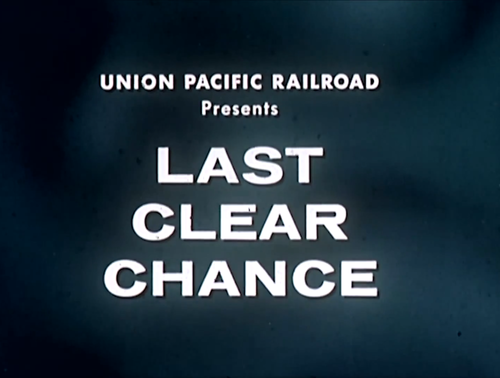
Filmmaker active in the late 1950s, primarily known for his work on educational and industrial films rather than mainstream Hollywood productions. His sole documented directorial credit is 'Last Clear Chance' from 1959, which appears to be a traffic safety educational film. Unlike many directors from the Golden Age of Hollywood, Carlisle worked in the specialized field of instructional cinema, creating content for specific educational purposes rather than entertainment. His career seems to have been brief and focused entirely on this niche area of filmmaking. Very little documentation exists about his broader career or other potential projects, suggesting he may have been a journeyman filmmaker working primarily in the educational film industry. His work represents the often-overlooked world of industrial and educational cinema that flourished alongside mainstream Hollywood productions during the mid-20th century.
The Craft
Behind the Camera
Educational and instructional filmmaking focused on safety and public service messages
Milestones
- Directed 'Last Clear Chance' (1959)
Best Known For
Must-See Films
Why They Matter
Impact on Culture
Robert Carlisle's work represents the important but often overlooked genre of educational and industrial filmmaking that played a crucial role in public safety and education during the mid-20th century. Films like 'Last Clear Chance' contributed to traffic safety awareness and education at a time when automobile usage was rapidly increasing in post-war America. While not part of mainstream cinema, these films were instrumental in shaping public behavior and safety consciousness. His work exemplifies how cinema was used beyond entertainment as a tool for public education and social improvement.
Lasting Legacy
Robert Carlisle's legacy lies in his contribution to the educational film genre, which, while not as celebrated as Hollywood productions, served an important function in society. His work on 'Last Clear Chance' represents the era when government agencies and safety organizations increasingly turned to film as a medium for public education. These films, though rarely remembered today, were part of a broader movement that used cinematic techniques to teach and inform the public on matters of safety and social responsibility.
Who They Inspired
As a director in the educational film field, Carlisle's influence would have been primarily in the specialized area of instructional filmmaking rather than on mainstream cinema directors. His work contributed to the development of techniques for effectively communicating safety messages through visual media, which would influence subsequent generations of educational filmmakers.
Off Screen
Very limited information is available about Robert Carlisle's personal life, as he worked primarily in the educational film industry which received less documentation than mainstream Hollywood cinema.
Did You Know?
- 'Last Clear Chance' appears to be a traffic safety educational film, part of a genre that was popular in the 1950s and 1960s
- Educational films like those directed by Carlisle were often shown in schools, driver's education classes, and community centers
- The film industry for educational and industrial content operated parallel to, but separate from, mainstream Hollywood
- Many educational filmmakers worked anonymously or with little public recognition compared to their Hollywood counterparts
- Traffic safety films were often produced with the cooperation of highway patrol departments and insurance companies
Frequently Asked Questions
Who was Robert Carlisle?
on YTB.my.
What films is Robert Carlisle best known for?
Titles linked here include Last Clear Chance (1959).
When was Robert Carlisle active as a director?
Based on available filmography records, Robert Carlisle was active as a director in 1959, though he may have worked in other capacities within the educational film industry during this period.
What type of films did Robert Carlisle direct?
Carlisle specialized in educational and industrial films, particularly those focused on public safety and education, rather than mainstream entertainment cinema.
Why is there limited information about Robert Carlisle?
Limited documentation exists because Carlisle worked in the educational film industry, which received far less press coverage and historical documentation than mainstream Hollywood productions during the Golden Age of cinema.