Duke Worne
Actor
Born: December 14, 1888 in Philadelphia, Pennsylvania, USA Died: October 7, 1938 Active: 1911-1931 Birth Name: George Duke Worne
Films
1 film
About Duke Worne
George Duke Worne, known professionally as Duke Worne, was an American film director, producer, and occasional actor who in the silent film era. Born in Philadelphia in 1888, Worne began his career in the film industry as an actor in the early 1910s, appearing in numerous short films and features. He made a successful transition to directing in the 1920s, where he found his true calling, becoming prolific directors of low-budget westerns and action films of the era. Worne directed approximately 70 films between 1920 and 1931, working primarily for Universal Pictures and later for Columbia Pictures. His films, though modest in budget, were known for their efficient storytelling and action sequences. Worne married actress Virginia Brown Faire in 1925, and she frequently starred in his productions. His career declined with the advent of sound films, and he directed only a few talkies before retiring from the industry in the early 1930s. He passed away in Los Angeles in 1938 at the age of 49.
The Craft
On Screen
As an actor, Worne specialized in supporting roles during the silent era, typically appearing in action-oriented films and westerns. His acting style was characteristic of the period, emphasizing physical expression and dramatic gestures suitable for silent film performance.
Milestones
- Transition from actor to successful director in the 1920s
- Directed approximately 70 films
- Prolific producer of western and action films
- Marriage to actress Virginia Brown Faire
- Work with major studios including Universal and Columbia
Best Known For
Iconic Roles
Must-See Films
Working Relationships
Worked Often With
Studios
Why They Matter
Impact on Culture
Duke Worne contributed significantly to the proliferation of western films during the silent era, helping to establish many of the genre's conventions and tropes that would persist for decades. His efficient approach to filmmaking demonstrated how quality entertainment could be produced on modest budgets, influencing the B-movie industry that would flourish in subsequent decades. His work helped popularize the western genre among working-class audiences and contributed to the star system of the silent era.
Lasting Legacy
Though not as well-remembered as major directors like John Ford or Cecil B. DeMille, Duke Worne left a mark on the silent film industry through his prolific output of westerns and action films. His films serve as valuable examples of the type of popular entertainment that dominated theaters in the 1920s. His career trajectory from actor to director exemplifies the mobility and opportunity available in the early Hollywood studio system.
Who They Inspired
Worne's efficient directing techniques and ability to work within budget constraints influenced subsequent generations of B-movie directors. His success in the western genre helped establish templates for low-budget western production that would be followed by countless directors in the sound era. His collaborative relationship with his wife Virginia Brown Faire also set an example for professional partnerships in Hollywood.
Off Screen
Duke Worne married actress Virginia Brown Faire in 1925, who became a frequent star in his films. Their marriage lasted until his death in 1938. Faire was a popular silent film actress who had previously been married to actor Jack Dougherty. The couple worked together professionally on numerous projects, with Worne often directing films starring his wife.
Education
No formal education in film documented; likely learned through practical experience in the early film industry
Family
- Virginia Brown Faire (1925-1938)
Did You Know?
- His real first name was George, but he used 'Duke' professionally
- He directed approximately 70 films in just over a decade
- Many of his films are now considered lost, a common fate for silent-era productions
- He was particularly adept at directing horse stunts and action sequences
- His wife Virginia Brown Faire was a WAMPAS Baby Star in 1923
- He began his film career as an extra at Keystone Studios
- He formed his own production company, Action Pictures, in the mid-1920s
- His death at age 49 cut short a potentially longer career in the sound era
- He often used the same crew and actors across multiple productions to maintain efficiency
- His films typically ran 50-60 minutes, standard for B-movies of the era
In Their Own Words
No documented famous quotes from Duke Worne are available in historical records
Frequently Asked Questions
Who was Duke Worne?
Duke Worne (1888-1938) was an American film director, producer, and actor who was most active during the silent film era. He directed approximately 70 films, primarily westerns and action movies, and was married to actress Virginia Brown Faire.
What films is Duke Worne best known for?
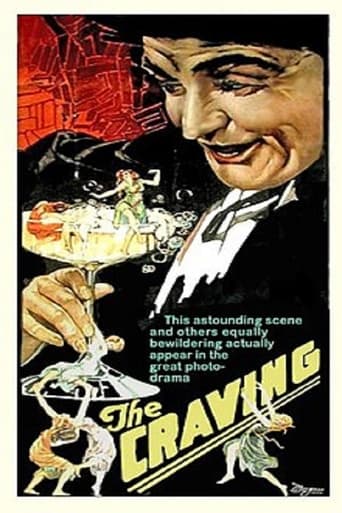
Titles linked here include The Craving (1918), The Man from Wyoming (1924).
When was Duke Worne born and when did he die?
Born December 14, 1888; died October 7, 1938.
What awards did Duke Worne win?
There are no documented awards or nominations for Duke Worne in available historical records. His contributions were primarily in the commercial success of his films rather than critical recognition.
What was Duke Worne's directing style?
Worne's directing style was characterized by efficiency and practicality, making him ideal for low-budget productions. He excelled at creating fast-paced westerns with well-choreographed action sequences while working quickly within budget constraints.