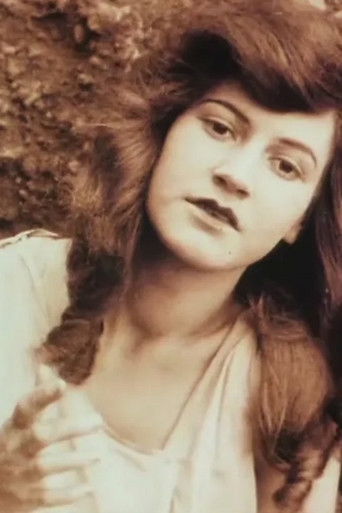
Rudall Hayward
Director
Born: July 4, 1900 in Woolston, Christchurch, New Zealand Died: May 29, 1974 Active: 1920-1972 Birth Name: Rudall George Hayward
Films
2 films

About Rudall Hayward
Rudall George Hayward (1900-1974) — New Zealand-born film director, producer, and screenwriter who is considered figures in early New Zealand cinema. He began making films as a teenager and established himself as New Zealand's first feature film director with 'My Lady of the Cave' in 1922. Hayward worked primarily during the silent era and successfully transitioned into sound films, creating numerous productions that captured New Zealand life, culture, and landscape. His five decades, during which he directed over 30 films including features, shorts, and documentaries that often adapted New Zealand literature. Hayward was particularly known for his commitment to telling New Zealand stories using local talent and locations, making him a crucial figure in establishing a national cinema identity. He continued working in the film industry throughout his life, even as New Zealand's film industry faced significant challenges in the mid-20th century, preserving the nation's cinematic heritage through his dedication and persistence.
The Craft
Behind the Camera
Hayward's directing style emphasized authentic New Zealand settings and stories, often using non-professional local actors to enhance realism. He had a documentary-like approach to storytelling, focusing on capturing the unique landscapes and cultural aspects of New Zealand life. His films typically featured straightforward narratives with strong moral themes, reflecting the values of early 20th century New Zealand society. Hayward was known for his resourcefulness in filmmaking, often building his own equipment and finding creative solutions to technical challenges in a country with limited film infrastructure.
Milestones
- Directed New Zealand's first feature film 'My Lady of the Cave' (1922)
- Created 'The Bush Cinderella' (1928), one of New Zealand's most successful silent films
- Pioneered sound film production in New Zealand with 'On the Friendly Road' (1936)
- Directed the first New Zealand talkie 'Rewi's Last Stand' (1940)
- Documented significant aspects of New Zealand culture and landscape through documentaries
- Mentored future generations of New Zealand filmmakers
- Preserved New Zealand's cinematic heritage through decades of industry changes
Best Known For
Must-See Films
Accolades
Won
- New Zealand Film and TV Awards - Lifetime Achievement Award (posthumous)
- Rudall Hayward Award established in his honor
Nominated
- New Zealand Film Hall of Fame (inducted posthumously)
Special Recognition
- Officer of the Order of the British Empire (OBE) for services to filmmaking
- New Zealand Film Archive - Rudall Hayward Collection established
Working Relationships
Worked Often With
Studios
Why They Matter
Impact on Culture
Rudall Hayward had a profound impact on New Zealand cinema and culture, essentially establishing the foundation for the country's film industry. His films provided New Zealanders with their first opportunities to see themselves and their country represented on screen, helping to create a sense of national identity through cinema. Hayward's commitment to using local locations, actors, and stories set a precedent for future New Zealand filmmakers and demonstrated that compelling films could be made outside the major international film centers. His documentation of New Zealand life, particularly Māori culture and rural communities, created invaluable historical records of the country during a period of significant social change.
Lasting Legacy
Rudall Hayward's legacy endures as the father of New Zealand cinema, with his films preserved in the New Zealand Film Archive as national treasures. His spirit and dedication to telling New Zealand stories inspired subsequent generations of filmmakers who would eventually bring New Zealand cinema to international attention. The annual Rudall Hayward Award recognizes outstanding contributions to New Zealand filmmaking, ensuring his name remains prominent in the industry he helped create. His techniques for low-budget filmmaking and his ability to work with limited resources continue to influence independent filmmakers in New Zealand and beyond.
Who They Inspired
Hayward influenced New Zealand cinema by demonstrating that local stories could resonate with domestic audiences and by establishing practical methods for filmmaking in a country with limited infrastructure. His success in the 1920s and 1930s proved that a viable New Zealand film industry was possible, even though it would take decades for this vision to be fully realized. His integration of Māori culture and stories into mainstream New Zealand cinema paved the way for later filmmakers to explore bicultural themes. Many prominent New Zealand directors, including Peter Jackson, have acknowledged Hayward's role in establishing the country's film industry.
Off Screen
Rudall Hayward was born into a creative family in Christchurch and developed an early passion for filmmaking. He married twice, first to Hilda Maud Hayward (née Lomas) who was his frequent collaborator and screenwriter, and later to Ramai Hayward (née Te Miha), a Māori actress who appeared in several of his films. Hayward had two children, including his son Rudall Hayward Jr. Who also worked in the film industry. He was deeply committed to preserving and promoting New Zealand culture through cinema, and his personal life often intersected with his professional work, with family members frequently participating in his film productions.
Education
Educated in Christchurch, New Zealand; largely self-taught in filmmaking through practical experience and experimentation
Family
- Hilda Maud Hayward (1925-1942)
- Ramai Hayward (1942-1974)
Did You Know?
- Started making films at age 16 using a homemade camera
- Built much of his own filmmaking equipment due to New Zealand's limited resources
- His film 'The Bush Cinderella' was
- Traveled extensively throughout New Zealand to show his films in local halls and theaters
- Made both fiction films and documentaries, often blurring the line between them
- His second wife Ramai was one of the first Māori women to have a prominent role in New Zealand cinema
- Many of his early films are now lost, making surviving prints extremely valuable
- Worked with government departments during World War II to produce propaganda and information films
- Was known for his ability to complete films quickly and on very small budgets
- Continued making films well into his 60s, adapting to changing technologies and audience tastes
In Their Own Words
I want to show New Zealanders themselves on the screen, in their own country, living their own lives
Every film I make is a love letter to New Zealand
In a small country like ours, every film must count
The landscape is not just a backdrop in my films; it's a character in itself
We may not have Hollywood's budget, but we have stories worth telling
Frequently Asked Questions
Who was Rudall Hayward?
New Zealand on YTB.my. He directed the country's first feature film and created numerous productions throughout the 20th century that documented New Zealand life and culture.
What films is Rudall Hayward best known for?
Titles linked here include My Lady of the Cave (1922), The Bush Cinderella (1928).
When was Rudall Hayward born and when did he die?
Born July 4, 1900; died May 29, 1974.
What awards did Rudall Hayward win?
Hayward was awarded the Order of the British Empire (OBE) for his services to filmmaking and has been posthumously recognized with lifetime achievement awards. The Rudall Hayward Award was established in his honor to recognize outstanding contributions to New Zealand cinema.
What was Rudall Hayward's directing style?
Hayward's directing style emphasized authentic New Zealand settings and stories, often using non-professional local actors. He had a documentary-like approach, focusing on capturing New Zealand's unique landscapes and cultural aspects with straightforward narratives and strong moral themes.