Films
2 films
About Elise Bartlett
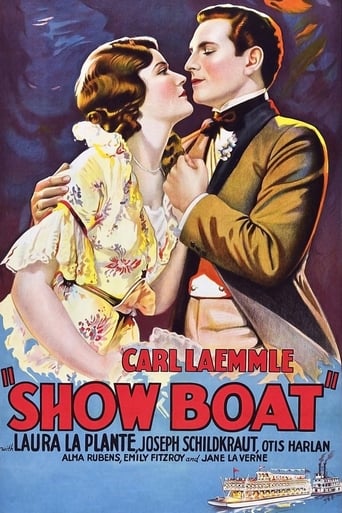
This archive lists one role for Elise Bartlett: Show Boat (1929). Her career was notably brief, spanning only the year 1929, which coincided with transformative periods in cinema history. She secured a role in the 1929 film adaptation of 'Show Boat,' one of the earliest musical films produced during the sound era. Like many performers of her era, Bartlett's career was likely impacted by the massive industry shift that occurred when sound revolutionized filmmaking, requiring actors to adapt to new performance techniques. The 1929 version of 'Show Boat' was part Universal Pictures' ambitious early sound productions, though it was overshadowed by the more famous 1936 adaptation. Unfortunately, detailed records about her life and career are scarce, which was common for supporting players and bit actors from this period. Her brief appearance in film history represents the countless performers who participated in cinema's early evolution but whose stories remain largely undocumented.
The Craft
Milestones
- Appeared in the 1929 film adaptation of 'Show Boat' during the early sound era
Best Known For
Iconic Roles
Must-See Films
Working Relationships
Studios
Why They Matter
Impact on Culture
Elise Bartlett represents the countless actors who participated in cinema's crucial transition from silent films to talkies. Her appearance in the 1929 'Show Boat' places her within the context of early Hollywood's adaptation to sound technology, a period that saw many careers flourish while others ended abruptly. Though her individual impact was minimal, she was part of the collective workforce that helped establish the foundation for sound cinema, contributing to the evolution of musical films that would become a staple of Hollywood production.
Lasting Legacy
Elise Bartlett's legacy is primarily as a representative figure of the many performers who appeared briefly during Hollywood's transition to sound. Her film credit in the 1929 'Show Boat' serves as a historical marker of early sound cinema production and the vast number of actors who contributed to films during this revolutionary period. Like many of her contemporaries who had brief film careers, her story highlights the transient nature of early Hollywood fame and the challenges faced by performers during one of cinema's most significant technological transitions.
Who They Inspired
Due to her brief career and limited filmography, there is no documented evidence of Elise Bartlett's influence on other actors or directors. Her career appears to have been too short to establish mentorship relationships or leave a lasting impact on subsequent generations of performers.
Off Screen
Very little information is available about Elise Bartlett's personal life, which was common for many supporting actors from the early sound era whose careers were brief and who did not achieve lasting fame.
Did You Know?
- Her film active years covered only one year, 1929, during the critical transition period from silent to sound films
- She appeared in the first film adaptation of 'Show Boat' with synchronized dialogue and music
- The 1929 'Show Boat' was one of Universal Pictures' early attempts at producing a full-scale musical film
- Many actors with brief careers like Bartlett's struggled to adapt to the new demands of sound acting
- Her filmography represents a common pattern of early sound era actors who appeared in only one or two films before leaving the industry
- The 1929 'Show Boat' is now considered a lost film in its complete form, with only fragments surviving
- Early sound films like 'Show Boat' often featured actors who never appeared in movies again after the transition period
Frequently Asked Questions
Who was Elise Bartlett?
American actress who had a brief career in 1929, appearing during Hollywood's transition from silent films to talkies. She is primarily known for her role in the 1929 film adaptation of 'Show Boat,' which was one of the early musical films produced during the sound era.
What films is Elise Bartlett best known for?
Titles linked here include Show Boat (1929).
When was Elise Bartlett born and when did she die?
Unfortunately, specific birth and death dates for Elise Bartlett are not available in historical records, which was common for many supporting actors from the early sound era who had brief careers and did not achieve lasting fame.
What awards did Elise Bartlett win?
There are no records of Elise Bartlett receiving any major awards or nominations for her work in film. This was typical for many actors with brief careers during the early sound era, particularly those in supporting or minor roles.
What was Elise Bartlett's acting style?
Due to the limited documentation of her career and the fact that the 1929 'Show Boat' is now considered a lost film with only fragments surviving, there is insufficient information to describe Elise Bartlett's specific acting style or techniques.
Why was Elise Bartlett's career so short?
Elise Bartlett's brief career was likely influenced by the massive technological and artistic changes occurring in Hollywood during 1929. The transition to sound films ended many careers while launching others, and actors who couldn't adapt to the new requirements of sound performance often found their opportunities limited.