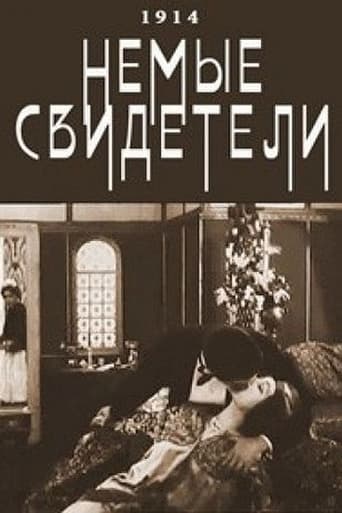
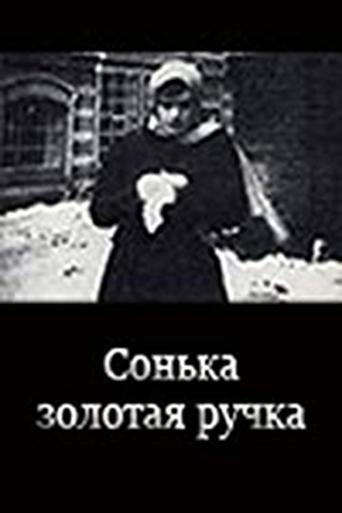
Films
2 films
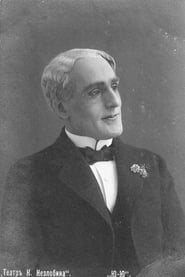
About Aleksandr Chargonin
Russian filmmaker active during the formative years of national cinema in 1914, working during the final years of Tsarist Russia's burgeoning film industry. His brief but notable both acting and directing, representing the multi-talented nature of early cinema pioneers who often wore multiple hats. Chargonin appeared in 'Silent Witnesses' (1914) and both directed and acted in 'Sonka the Golden Hand' (1914), a film based on the notorious Russian female criminal Sonya Golden Hand. His work came during a golden period for Russian cinema before the Bolshevik Revolution would dramatically transform the country's film industry. Like many early Russian filmmakers, his career was cut short by the political upheavals of World War I and the subsequent revolution. His films represent the early Russian fascination with criminal melodramas and real-life crime stories that captivated audiences of the era. Though his career was brief, Chargonin contributed to the foundation of Russian narrative cinema during its crucial developmental years.
The Craft
On Screen
Representative of early Russian silent film acting, likely emphasizing theatrical gestures and exaggerated expressions typical of the period before the development of more naturalistic film acting techniques
Behind the Camera
Early Russian narrative filmmaking approach, likely influenced by contemporary European cinema traditions and focusing on dramatic storytelling based on real criminal cases
Milestones
- Directed 'Sonka the Golden Hand' (1914)
- Acted in 'Silent Witnesses' (1914)
- Multi-talented filmmaker working as both actor and director
- Contributed to early Russian crime cinema genre
- Part of Tsarist Russia's film industry before the revolution
Best Known For
Iconic Roles
Must-See Films
Working Relationships
Worked Often With
Studios
Why They Matter
Impact on Culture
Aleksandr Chargonin represents the generation of early Russian filmmakers who helped establish the country's cinematic language before the revolutionary period. His work on 'Sonka the Golden Hand' contributed to the Russian fascination with criminal biopics, a genre that would continue to be popular throughout Soviet cinema. Though his individual career was brief, he was part of the foundational period of Russian cinema that would later produce world-renowned directors like Eisenstein and Vertov. His films reflect the cultural interests of pre-revolutionary Russian society, particularly the public's fascination with notorious criminals and dramatic true stories.
Lasting Legacy
While Aleksandr Chargonin is not widely remembered in film history, his work represents an important transitional period in Russian cinema from simple actualities to complex narrative storytelling. His dual role as actor and director exemplifies the versatile nature of early cinema pioneers. The films he contributed to, particularly those based on real criminal cases, helped establish genres that would continue to evolve throughout Russian and Soviet cinema history. His brief career serves as a reminder of how many early filmmakers' contributions were lost or obscured by the massive political and social changes of the early 20th century.
Who They Inspired
As an early Russian filmmaker, Chargonin's influence would have been primarily on his immediate contemporaries and the development of narrative cinema techniques in Russia. His work in the crime genre may have influenced later Russian and Soviet filmmakers who continued to explore criminal themes. However, due to the brevity of his career and the loss of many early Russian films, his direct influence on subsequent generations of filmmakers is difficult to trace.
Off Screen
Very little is documented about Aleksandr Chargonin's personal life, which was common for many early Russian cinema figures whose records were lost during the political upheavals of the early 20th century. His brief career in 1914 suggests he may have been affected by World War I or the subsequent Russian Revolution, which disrupted many artistic careers.
Did You Know?
- Worked during the final year of relative peace before World War I disrupted European cinema
- Participated in the early Russian crime film genre, which was popular with audiences
- His active years covered only one year, making him one of cinema's briefest working filmmakers
- Worked in Russian cinema during the reign of Tsar Nicholas II
- His film 'Sonka the Golden Hand' was based on a real Russian female criminal who was active in the late 19th century
- Early Russian cinema was rapidly developing during his brief career, with Russia becoming one of the world's leading film producers by 1914
- Like many early films, his works are likely lost or exist only in fragments
- The year 1914 was crucial for Russian cinema, with over 500 films produced that year alone
Frequently Asked Questions
Who was Aleksandr Chargonin?
Russian actor and on YTB.my. He is known for directing and acting in 'Sonka the Golden Hand' and appearing in 'Silent Witnesses,' both from 1914.
What films is Aleksandr Chargonin best known for?
Titles linked here include Sonka the Golden Hand (1914), Silent Witnesses (1914).
When was Aleksandr Chargonin active in cinema?
Chargonin had an extremely brief career, active only in 1914. His entire known filmography consists of work from this single year, just before World War I would dramatically affect European cinema.
What was significant about 'Sonka the Golden Hand'?
'Sonka the Golden Hand' was based on the real Russian criminal Sonya Golden Hand, a notorious female pickpocket from the late 19th century. The film represented the popular Russian genre of criminal biopics that fascinated audiences of the era.
Why is so little known about Aleksandr Chargonin?
Like many early Russian filmmakers, records about Chargonin are scarce due to the political upheavals of the early 20th century, including World War I and the Russian Revolution, which disrupted the film industry and led to the loss of many archival materials.
What was Russian cinema like in 1914?
1914 was a peak year for Russian cinema under the Tsarist regime, with the country producing over 500 films and ranking among the world's leading film producers. The industry featured sophisticated narrative films and various genres including crime melodramas.