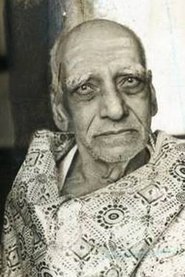
Papanasam Sivan
Actor
Born: September 26, 1890 in Papanasam, Thanjavur district, Tamil Nadu, India Died: October 1, 1973 Active: 1930s-1970s Birth Name: Subramanian
Films
1 film
About Papanasam Sivan
Papanasam Sivan, born as Subramanian, was a Carnatic music composer, singer, and lyricist who made monumental contributions to Tamil cinema during its golden era. Though primarily known as a musician rather than an actor, he played a pivotal role in shaping the soundscape of early Tamil talkies, bridging classical and film music traditions. He began his career as a traditional Carnatic musician and composer, earning the title 'Tamil Thyagaraja' for his thousands of compositions in Tamil, a language previously underrepresented in Carnatic music. His entry into cinema in the 1930s marked a revolutionary moment, as he brought classical purity to film music while maintaining mass appeal. He composed music for over 100 films, including landmark productions like 'Thyagabhoomi' (1939), which became a cultural phenomenon. His compositions in films were not mere background music but integral elements that elevated the narrative and emotional impact of the stories. Despite his brief acting appearance in 'Thyagabhoomi', his legacy remains primarily as music composers in Indian cinema history, whose work continues to be performed and revered decades later.
The Craft
On Screen
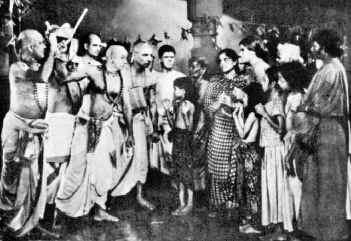
Though not primarily an actor, his brief appearance in 'Thyagabhoomi' was characterized by natural, understated performance typical of early Tamil cinema, where musicians often made cameo appearances to add authenticity to musical sequences.
Milestones
- Composed music for landmark film 'Thyagabhoomi' (1939)
- Created over 2,000 compositions in Carnatic music
- Pioneered the fusion of classical and film music
- Received the title 'Tamil Thyagaraja' for his contributions
- Awarded Padma Bhushan in 1971
- Composed music for over 100 films
- Popularized Tamil compositions in Carnatic music tradition
Best Known For
Iconic Roles
Must-See Films
Accolades
Won
- Padma Bhushan (1971)
- Sangeet Natak Akademi Award (1959)
- Kalaimamani award from Tamil Nadu government
- Isai Perarignar (Great Musician) title
Nominated
- Filmfare Award nominations for Best Music Director
Special Recognition
- Title of 'Tamil Thyagaraja'
- Postal stamp issued in his honor by India Post
- Numerous music institutions named after him
- Statues erected in Chennai and other cities
Working Relationships
Worked Often With
Studios
Why They Matter
Impact on Culture
Papanasam Sivan revolutionized Tamil cinema by introducing sophisticated classical music elements into film compositions, elevating the artistic standards of Indian film music. His work in 'Thyagabhoomi' and other films helped establish Tamil cinema as a vehicle for cultural and artistic expression rather than mere entertainment. He democratized classical music by making it accessible to the masses through films, while maintaining its purity and depth. His compositions became part of the cultural fabric of Tamil society, with many songs still sung in households and concerts today. He played a crucial role in the Tamil language movement, creating thousands of compositions in Tamil when Sanskrit dominated Carnatic music.
Lasting Legacy
Papanasam Sivan's legacy endures through his vast repertoire of compositions that continue to be performed by leading Carnatic musicians worldwide. His integration of classical and film music created a template that countless music directors have followed. Many of his film compositions have become timeless classics, transcending generations. Music institutions across Tamil Nadu and beyond teach his compositions as part of their curriculum. The annual Papanasam Sivan Music Festival in Chennai celebrates his contributions, ensuring new generations discover his work. His influence extends beyond music to Tamil literature and culture, as he was also a respected poet and lyricist.
Who They Inspired
Papanasam Sivan influenced generations of music composers in Indian cinema, from his contemporaries to modern film music directors. His approach of blending classical ragas with film melodies became the standard for quality film music in South India. Composers like M.S. Viswanathan, K.V. Mahadevan, and Ilaiyaraaja have acknowledged his influence. His work inspired musicians to pursue both classical and film music, breaking down barriers between these genres. His emphasis on Tamil compositions encouraged other composers to create more content in regional languages, contributing to linguistic diversity in Indian music.
Off Screen
Papanasam Sivan led a simple, devoted life focused on music and spiritual pursuits. He was deeply religious and many of his compositions reflected his devotion to deities, particularly Lord Muruga. Despite his fame, he maintained humility and continued teaching music to students throughout his life. His personal philosophy emphasized the spiritual aspect of music, viewing it as a path to divine realization.
Education
Informal training in music under various gurus; self-taught in many aspects of composition and poetry
Family
- Kalavathi
Did You Know?
- Composed his first song at age 7
- Was initially a clerk before pursuing music full-time
- Named after his birthplace Papanasam
- Wrote over 2,000 songs, many still popular today
- Thyagabhoomi
- was banned by British government for its nationalist themes
- Could compose songs in minutes, often on the spot
- Never learned to read or write music notation
- His songs were used in the Indian independence movement
- Many of his compositions are considered standard repertoire in Carnatic music
- He was a devotee of Lord Muruga and composed many songs about the deity
- Despite his fame, he lived a simple life and gave away much of his earnings
In Their Own Words
Music is not just entertainment; it is a path to spiritual realization
A composer must feel the emotion before he can make others feel it
Classical music is not complex; it is just deep
When I compose, I don't think of fame or money, I think of the divine
Music should elevate the soul, not just please the ears
Frequently Asked Questions
Who was Papanasam Sivan?
Legendary Carnatic music composer, singer, and lyricist who made significant contributions to Tamil cinema. Known as the 'Tamil Thyagaraja,' he composed music for over 100 films and created thousands of classical compositions that are still performed today.
What films is Papanasam Sivan best known for?
Titles linked here include Thyagabhoomi (1939), Sivakavi (1943).
When was Papanasam Sivan born and when did he die?
Born September 26, 1890; died October 1, 1973.
What awards did Papanasam Sivan win?
He received numerous prestigious awards including the Padma Bhushan (1971), Sangeet Natak Akademi Award (1959), Kalaimamani award, and the title 'Isai Perarignar' (Great Musician) from the Tamil Nadu government.
What was Papanasam Sivan's musical style?
His style was characterized by the seamless fusion of classical Carnatic music with film melodies, maintaining the purity and depth of ragas while making them accessible to mass audiences. He was known for his devotional compositions and his ability to create emotionally resonant music that elevated both classical and film traditions.