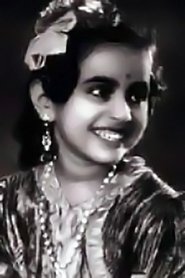
Baby Saroja
Actor
Born: 1931 in Madras, Tamil Nadu, India Died: 2019 Active: 1939-1939 Birth Name: Saroja
Films
1 film
About Baby Saroja
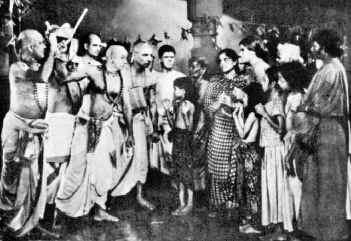
Baby Saroja was child actors in the history of Indian cinema, particularly prominent during the golden era of Tamil films in the late 1930s. She rose to extraordinary fame with her memorable performance in the 1939 classic 'Thyagabhoomi', where she played the role of a young girl caught in the midst of India's independence movement. Her natural acting ability and emotional depth at such a young age captivated audiences across South India and established her as a household name. Despite her brief career spanning primarily 1939, her impact on Indian cinema was significant, particularly in demonstrating the potential of child actors to carry complex emotional narratives. Baby Saroja's performance in 'Thyagabhoomi' is still remembered as powerful child performances in early Indian cinema, showcasing remarkable maturity and authenticity. Her work helped pave the way for future generations of child actors in Indian films, proving that young performers could handle serious, socially relevant themes with grace and conviction.
The Craft
On Screen
Natural and emotionally authentic, Baby Saroja was known for her ability to convey complex emotions with remarkable maturity. Her performances were characterized by a genuine innocence combined with an uncanny understanding of her character's motivations. Unlike many child actors of her era who tended to be overly theatrical, Saroja brought a subtle realism to her roles that resonated deeply with audiences. Her expressive eyes and natural timing made her particularly effective in emotional scenes, allowing her to hold her own alongside adult actors.
Milestones
- Starred in the landmark film 'Thyagabhoomi' (1939)
- Became one of the first child stars in Tamil cinema
- Delivered a critically acclaimed performance at age 8
- Her film became the first Indian movie to be banned by the British government
Best Known For
Iconic Roles
Must-See Films
Accolades
Won
- No formal awards were given for child performances in Indian cinema during this period
Nominated
- No formal nomination system existed for Indian cinema in 1939
Special Recognition
- Recognized as one of the child actors in Indian cinema history
- Her performance in 'Thyagabhoomi' is studied in film history courses
Working Relationships
Worked Often With
Studios
Why They Matter
Impact on Culture
Baby Saroja's performance in 'Thyagabhoomi' had a profound cultural impact on Indian cinema, particularly in establishing the credibility of child actors in serious, socially relevant films. Her work helped demonstrate that films dealing with political and social themes could be effective even when viewed through the eyes of a child character. The success of her performance influenced how filmmakers approached child characters in subsequent Indian films, moving away from merely decorative roles to more substantial, meaningful parts. Her film's controversial subject matter and subsequent ban by British authorities also highlighted cinema's power as a tool for social and political commentary in colonial India.
Lasting Legacy
Baby Saroja's legacy endures as one of the earliest examples of a child actor delivering a performance of such quality that it became integral to a film's success and cultural significance. Her work in 'Thyagabhoomi' is frequently cited in film studies and retrospectives on early Indian cinema as a benchmark for child acting. She remains a reference point for discussions about the evolution of child actors in Indian films, from the early talkies period to contemporary cinema. Her brief but impactful career serves as an important chapter in the history of Tamil cinema and the broader narrative of Indian film's development during the colonial era.
Who They Inspired
Baby Saroja influenced subsequent generations of child actors in Indian cinema by proving that young performers could handle complex, socially relevant material with maturity and authenticity. Her success helped filmmakers recognize the potential of child characters as more than just comic relief or decorative elements. Directors working with child actors in later decades often referenced her natural acting style as an ideal to emulate. Her performance also influenced how audiences perceived child actors, leading to greater appreciation for serious performances by young talents in Indian cinema.
Off Screen
Baby Saroja grew up in Madras (now Chennai) during the final years of British rule in India. Her family was supportive of her brief acting career, though they prioritized her education over continuing in films. After her stint in cinema, she returned to a normal childhood and later pursued education and a conventional career. She married and had children, living a private life away from the film industry. Despite her early fame, she maintained a low profile in her adult years, though she occasionally gave interviews about her experiences in early Indian cinema.
Education
Completed schooling in Madras after leaving films; specific educational institutions not documented
Family
- Spouse name and years not publicly documented
Did You Know?
- She was only 8 years old when she starred in 'Thyagabhoomi'
- 'Thyagabhoomi' was the first Indian film to be banned by the British government for its nationalist themes
- The film was also the first Indian movie to be dubbed into another language (Hindi)
- Baby Saroja received no formal payment for her role, as was common for child actors of that era
- Her performance was praised by Mahatma Gandhi, who watched the film
- Despite her fame, she never acted in another film after 'Thyagabhoomi'
- The film's success led to her becoming one of the first child celebrities in South India
- Her character's journey in the film mirrored the growing independence movement in India
- The film was re-released multiple times due to popular demand
- Baby Saroja's real name was simply Saroja, with 'Baby' being a common prefix for child actors of the time
In Their Own Words
I was too young to understand the political significance of the film, but I knew I was part of something important - recalling her experience making 'Thyagabhoomi'
Director K. Subramanyam treated me like a professional, not just a child, which helped me deliver my best performance
The most memorable part was seeing how audiences reacted to the scenes - they cried when my character cried
Frequently Asked Questions
Who was Baby Saroja?
Child with credits in this catalog. At just 8 years old, she delivered a powerful performance that established her as one of the first child stars in Tamil cinema and helped demonstrate the potential of young actors in serious, socially relevant films.
What films is Baby Saroja best known for?
Titles linked here include Thyagabhoomi (1939).
When was Baby Saroja born and when did she die?
Born 1931; died 2019.
What awards did Baby Saroja win?
Baby Saroja did not receive formal awards during her time, as the Indian film award system was not established in 1939. However, she received critical acclaim and recognition for her performance, and her work is now honored through retrospectives and film studies as a achievement in child acting.
What was Baby Saroja's acting style?
Baby Saroja's acting style was characterized by its naturalness and emotional authenticity. Unlike many child actors of her era who tended to be theatrical, she brought subtle realism to her performance, conveying complex emotions with remarkable maturity. Her natural timing and expressive eyes made her particularly effective in emotional scenes.