William Hanna
Director
Born: July 14, 1910 in Melrose, New Mexico, USA Died: March 22, 2001 Active: 1931-2001 Birth Name: William Denby Hanna
Films
1 film
About William Hanna
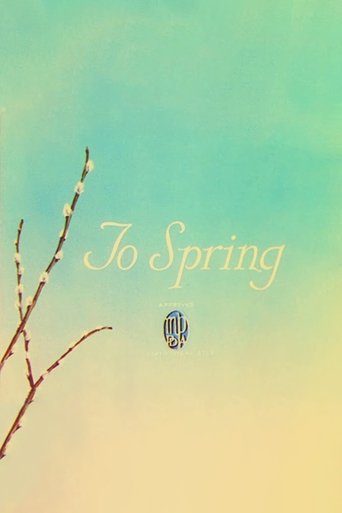
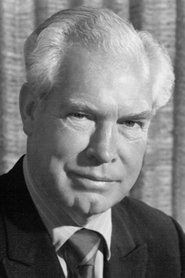
Animator and producer who began his career in the early days of American animation. After graduating from Compton High School in 1928, he briefly attended Compton City College before starting his animation career in 1931 at the Harman-Ising studio. His early work included serving as an animator on the 1936 short film 'To Spring' as part of MGM's Happy Harmonies series, though he was not the director but rather contributed to the animation team. In 1937, he moved to MGM's animation department where he met Joseph Barbera, forming successful partnerships in entertainment history. Together they created Tom and Jerry in 1940, which would become their most celebrated creation, earning seven Academy Awards. After MGM closed their animation division in 1957, Hanna and Barbera founded their own studio and revolutionized television animation with hits like The Flintstones, The Jetsons, and Scooby-Doo. Hanna's over six decades until his death in 2001, during which he produced more than 3,000 animated segments and won numerous awards for his contributions to animation.
The Craft
Behind the Camera
Hanna's directing style emphasized clear storytelling, physical comedy, and character-driven animation. He specialized in creating dynamic chase sequences and comedic timing, particularly evident in the Tom and Jerry cartoons. His approach focused on visual gags over dialogue, making his work universally accessible. He pioneered limited animation techniques for television that maintained quality while reducing production costs.
Milestones
- Started animation career at Harman-Ising studio (1931)
- Worked as animator on 'To Spring' (1936)
- Met Joseph Barbera at MGM (1937)
- Co-created Tom and Jerry (1940)
- Won first Academy Award for Tom and Jerry (1943)
- Co-founded Hanna-Barbera Productions (1957)
- Created first prime-time animated series 'The Flintstones' (1960)
- Received star on Hollywood Walk of Fame (1976)
- Inducted into Television Hall of Fame (1993)
Best Known For
Iconic Roles
Must-See Films
Accolades
Won
- Academy Award for Best Short Subject (Cartoon) - 'The Yankee Doodle Mouse' (1943)
- Academy Award for Best Short Subject (Cartoon) - 'Mouse Trouble' (1944)
- Academy Award for Best Short Subject (Cartoon) - 'Quiet Please!' (1945)
- Academy Award for Best Short Subject (Cartoon) - 'The Cat Concerto' (1946)
- Academy Award for Best Short Subject (Cartoon) - 'The Little Orphan' (1948)
- Academy Award for Best Short Subject (Cartoon) - 'The Two Mouseketeers' (1951)
- Academy Award for Best Short Subject (Cartoon) - 'Johann Mouse' (1952)
- Emmy Award for Outstanding Children's Program - 'The ABC Saturday Superstar Movie' (1973)
- Winnie Award for Lifetime Achievement (1990)
Nominated
- Academy Award nomination for 'Puss Gets the Boot' (1940)
- Academy Award nomination for 'The Night Before Christmas' (1941)
- Multiple Emmy nominations for various Hanna-Barbera productions
- Golden Globe nomination for Best Television Show (1961)
Special Recognition
- Hollywood Walk of Fame star (1976)
- Television Hall of Fame inductee (1993)
- Annie Award for Lifetime Achievement (1995)
- Writers Guild of America Animation Writing Award (1999)
- Motion Picture & Television Fund Golden Boot Award (2000)
Working Relationships
Worked Often With
Studios
Why They Matter
Impact on Culture
William Hanna fundamentally shaped American animation and entertainment culture. His work with Joseph Barbera created some of the most recognizable characters in popular culture, including Tom and Jerry, Fred Flintstone, and Scooby-Doo. Hanna-Barbera pioneered television animation, making animated programming accessible to millions of households and creating the template for Saturday morning cartoons. Their characters have become cultural icons, appearing in countless adaptations, merchandise, and theme park attractions. The studio's innovative production techniques allowed for the creation of hundreds of episodes, establishing the business model for television animation that persists today.
Lasting Legacy
William Hanna's legacy encompasses over 3,000 animated segments that entertained generations of viewers worldwide. His partnership with Joseph Barbera created the most successful animation studio in television history, producing iconic series that continue to be broadcast globally. Hanna's technical innovations in limited animation made television production economically viable, while his commitment to quality storytelling ensured artistic merit. The characters he co-created have transcended their original contexts to become part of global popular culture, with new generations discovering them through reboots, films, and merchandise. His influence extends beyond animation to impact broader entertainment industry practices and children's programming standards.
Who They Inspired
Hanna's influence on animation is immeasurable, inspiring countless animators, directors, and producers. His work established many conventions of animated comedy that persist today, from chase scene choreography to character archetypes. The Hanna-Barbera production model influenced how animation studios operate, particularly in television. Many modern animators cite Hanna-Barbera shows as their introduction to animation and inspiration for entering the field. The studio's success demonstrated that animation could be commercially viable on television, paving the way for later animation renaissances. Hanna's emphasis on character-driven storytelling influenced generations of creators across various media.
Off Screen
William Hanna married Violet Blanch Wogatzke on August 7, 1936, and remained married until her death in 2014. The couple had two children, David and Bonnie, and seven grandchildren. Hanna was known for his humble personality and dedication to his craft, often working long hours at the studio. He was an avid outdoorsman who enjoyed fishing and hunting in his spare time. Despite his massive success, he lived relatively modestly and was known for his generosity to employees and charitable causes.
Education
Compton High School (graduated 1928), briefly attended Compton City College
Family
- Violet Blanch Wogatzke (1936-2001)
Did You Know?
- Worked as a construction foreman during the Great Depression before entering animation
- His first animation job paid him $12 per week
- was one of the first films he worked on, but as an animator, not director
- He and Barbera won more Academy Awards than any other animation duo
- The Flintstones was the first animated series to air in prime time
- Hanna-Barbera produced over 3,000 animated segments
- Their studio created the first animated Christmas special for television
- Hanna personally approved every script and storyboard until the 1980s
- He was a licensed pilot who often flew to business meetings
- The characters Tom and Jerry were originally named 'Jasper' and 'Jinx'
- Hanna-Barbera's sound effects library became
In Their Own Words
Animation is not the art of drawings that move but the art of movements that are drawn.
The secret to our success was that we never tried to talk down to children.
Joe and I never had an argument in all our years together - we agreed on everything.
You have to make the audience care about your characters, even if one is a cat and one is a mouse.
Television animation had to be different from theatrical animation - we had to learn to say more with less.
Frequently Asked Questions
Who was William Hanna?
American animator, on YTB.my. Together they created iconic animated characters and series including Tom and Jerry, The Flintstones, and Scooby-Doo, fundamentally shaping both theatrical and television animation.
What films is William Hanna best known for?
Titles linked here include Tom and Jerry series, The Flintstones.
When was William Hanna born and when did he die?
Born July 14, 1910; died March 22, 2001.
What awards did William Hanna win?
Hanna won seven Academy Awards for Best Short Subject (Cartoon) for Tom and Jerry shorts between 1943-1952, an Emmy Award, the Annie Award for Lifetime Achievement, and numerous other honors including a star on the Hollywood Walk of Fame and induction into the Television Hall of Fame.
What was William Hanna's directing style?
Hanna's directing style emphasized clear visual storytelling, physical comedy, and perfect comedic timing. He specialized in chase sequences and character-driven humor, using visual gags over dialogue. For television, he pioneered limited animation techniques that maintained quality while reducing production costs.
Did William Hanna direct 'To Spring' (1936)?
No, this is a common misconception. Hanna worked as an animator on 'To Spring' (1936), but the directors were Hugh Harman and Rudolf Ising. Hanna's directorial career began later at MGM with the Tom and Jerry series starting in 1940.
How did William Hanna change television?
Hanna revolutionized television animation by co-founding Hanna-Barbera, which pioneered cost-effective animation techniques for TV. They created the first prime-time animated series (The Flintstones) and established the template for Saturday morning cartoons, making animation a staple of television programming.
What was Hanna's partnership with Joseph Barbera like?
Hanna and Barbera formed one of entertainment's most successful partnerships in 1937 at MGM. They worked together for over 60 years until Hanna's death in 2001, creating thousands of animated segments. Their collaboration was known for its harmony, with Hanna reportedly saying they never had an argument in all their years together.