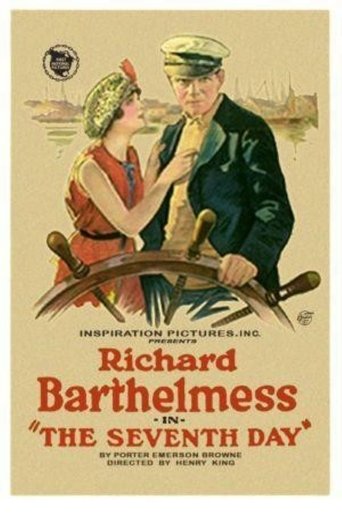
Leslie Stowe
Actor
- Active
- 1922-1922
Films 1
About Leslie Stowe
Leslie Stowe is a largely obscure silent-era screen actor whose known film career is presently documented only by a single credited appearance in the 1922 feature The Seventh Day. Surviving reference sources provide very little biographical information about Stowe, and no reliable contemporary records have yet established a fuller personal history, birth details, or later career. Like many minor performers of the early 1920s, Stowe appears to have worked in a period when cast credits were often incomplete and studio publicity focused overwhelmingly on stars rather than supporting players. The absence of additional credits may indicate that Stowe had a brief screen career, worked under a different name elsewhere, or performed in roles that were not consistently preserved in surviving filmographies. Because of the limited archival record, Stowe remains a minor but intriguing name in silent-cinema documentation, representing the many performers whose contributions were part of the fabric of early Hollywood but who were not extensively recorded by the industry. At present, the historical record supports only a cautious, minimal biography centered on the confirmed 1922 credit. Any more specific claims about Stowe's life, training, or later work would be speculative and are therefore not included here.
More about Leslie Stowe
In film history
Leslie Stowe's cultural impact is best understood as archival rather than celebrity-based. While no evidence currently suggests that Stowe was a major star, the surviving credit in The Seventh Day places this performer within the industrial and artistic ecosystem of silent cinema, when thousands of actors, extras, and supporting players helped define the visual language of early film. The very scarcity of information is itself representative of a broader historical pattern: many early film performers were poorly documented, and their contributions were often eclipsed by studio publicity systems that preserved only a fraction of the era's personnel histories. In this sense, Stowe is part of the larger legacy of forgotten or under-recorded silent-era artists whose names survive in cast lists, trade references, and filmographies even when personal details do not. For researchers and database curators, such figures are important because they help complete the historical record and illustrate how much of early cinema depended on unheralded labor. Stowe's significance lies less in fame than in the reminder that film history is built from both celebrated stars and the many lesser-known performers who appeared in the medium's formative years.
Later reputation
Leslie Stowe's legacy is the preserved trace of a performer whose career, as far as current documentation shows, was brief and minimally recorded. The confirmed association with The Seventh Day (1922) ensures a place in silent-film histories and film databases, even if only as a small footnote in the broader story of early American screen acting. This kind of legacy is common among silent-era players: their names remain visible in cast lists, but the surrounding details of their lives were never fully captured or have since been lost. For historians, Stowe underscores the importance of archival recovery and the continuing need to identify and preserve the identities of minor performers. The name survives as evidence that the silent era was populated not only by major stars but also by countless working actors whose contributions supported the development of narrative cinema. In that respect, Stowe's legacy is one of historical presence through documentation, even in the absence of celebrity.
Influence
There is no verifiable evidence that Leslie Stowe directly influenced other actors or filmmakers in a documented way. However, as part of the silent-era acting community, Stowe participated in the broader performance traditions that shaped early screen acting, including expressive physicality, clear visual storytelling, and adaptation to the demands of the camera. The influence here is indirect and systemic rather than personal: performers like Stowe contributed to the collective pool of silent-film craft from which more visible stars and directors drew. Because the surviving record is so sparse, any claim of direct mentorship or stylistic influence would be unsupported. Stowe's historical importance lies primarily in presence and documentation rather than in measurable artistic legacy.
Off screen
No reliable biographical record has been located for Leslie Stowe regarding family background, marriages, children, residence, or personal associations. Surviving sources do not presently provide enough information to reconstruct a verified personal life profile. As a result, no claims are made here beyond the confirmed existence of the credited film appearance in 1922.
Credits
- Credited screen appearance in the silent feature The Seventh Day (1922)
- Documented presence in early 1920s American cinema records
- Association with the silent-film era through one of the period's surviving filmographies
Roles
- Role in The Seventh Day (1922)
Films
- The Seventh Day (1922)
Notes
- Leslie Stowe is currently documented in film history primarily through one confirmed credit: The Seventh Day (1922).
- Available reference sources do not yet provide verified birth, death, or family details for this performer.
- Stowe appears to be one of many silent-era actors whose careers are difficult to reconstruct because credits and publicity materials were often incomplete.
- The obscurity of the record does not necessarily mean a lack of activity; it may also reflect lost or unindexed filmographies.
- Because silent-era documentation is uneven, minor performers like Stowe are often rediscovered only through surviving cast lists and archival databases.
- No verified awards, nominations, or honors are presently associated with Leslie Stowe.
- The Seventh Day (1922) is the only confirmed title currently tied to Stowe in accessible classic-cinema references.
Questions
Who was Leslie Stowe?
Leslie Stowe was a silent-era film actor known from currently surviving records for appearing in The Seventh Day (1922). Beyond that confirmed credit, reliable biographical details are scarce, and much of Stowe's life and career remains undocumented. Stowe is best understood as a minor but real presence in early cinema history.
What films is Leslie Stowe best known for?
Leslie Stowe is best known for The Seventh Day (1922), which is the only confirmed film credit presently associated with the name in accessible classic-cinema records. No other verified feature or short titles can be confidently attributed without risking confusion or speculation.
When was Leslie Stowe born and when did they die?
At present, no reliable birth or death dates have been verified for Leslie Stowe. Surviving reference material does not currently identify a birthplace, lifespan, or later biographical record. As a result, those details remain unknown.
What awards did Leslie Stowe win?
No awards or nominations are presently documented for Leslie Stowe. This is not unusual for minor silent-era performers, many of whom worked before the modern awards culture was established and before comprehensive industry recordkeeping became standard.
What was Leslie Stowe's acting style?
There is no surviving detailed critical description of Leslie Stowe's individual acting style. As a silent-era performer, Stowe would have worked in a medium that relied on expressive physical action, facial expression, and visual clarity, but no specific reviews or analyses are currently available to characterize personal technique.
What is Leslie Stowe's legacy in film history?
Leslie Stowe's legacy is primarily archival: a confirmed name in the cast history of an early silent film. Even when performers were not major stars, they helped build the performance culture of early Hollywood, and their names remain important to historians reconstructing the era.