
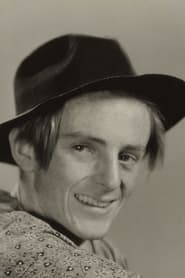
Wallace Reid Jr.
Actor
Born: February 12, 1917 in Los Angeles, California, USA Died: March 19, 1990 Active: 1920-1920
Films
1 film
About Wallace Reid Jr.
Wallace Reid Jr. Was the son of silent film star Wallace Reid and actress Dorothy Davenport, born into Hollywood royalty during the golden age of silent cinema. As a child actor, he made his film debut appearing alongside his famous father in the 1920 comedy 'Excuse My Dust,' directed by Sam Wood and produced by Famous Players-Lasky Corporation. His brief acting only the year 1920, during which he appeared in a few films capitalizing on his father's immense popularity. Following the tragic death of his father in 1923 from complications related to morphine addiction, Wallace Jr. Stepped away from the entertainment industry as his mother Dorothy Davenport became a prominent filmmaker and social activist, producing anti-drug films inspired by her husband's struggles. Unlike many children of Hollywood stars, Wallace Reid Jr. Chose not to pursue a career in films, instead living a relatively private life away from the spotlight. His legacy remains primarily as a footnote in Hollywood history, representing the second generation of one of early cinema's most famous families.
The Craft
On Screen
As a child actor in the silent era, Wallace Reid Jr. Appeared in naturalistic performances typical of the period, often playing himself or variations of the innocent child role that capitalized on his real-life relationship with his famous father.
Milestones
- Appeared in 'Excuse My Dust' (1920) alongside his father
- Child actor during the silent film era
- Member of the famous Reid-Hollywood family
Best Known For
Iconic Roles
Must-See Films
Working Relationships
Worked Often With
Studios
Why They Matter
Impact on Culture
Wallace Reid Jr.'s cultural impact is primarily through his connection to one of early Hollywood's most tragic and influential families. His brief appearance in films alongside his father represents the generational aspect of early Hollywood stardom, where celebrity families were common and children were often featured in films to capitalize on their parents' fame. His story, though brief, illustrates the darker side of early Hollywood fame, as his father's struggles with drug addiction and subsequent death became one of the industry's first major scandals, leading to reforms in how studios handled their stars' personal problems.
Lasting Legacy
Wallace Reid Jr.'s legacy is intrinsically tied to his father's memory and the early Hollywood era. While he did not have a significant film career of his own, he represents the second generation of Hollywood royalty and the human cost of early stardom. His decision to avoid the film industry following his father's death speaks volumes about the impact of Hollywood's pressures on families. The Reid family story, including Wallace Jr.'s brief moment in the spotlight, has been documented in numerous books about early Hollywood history and serves as a cautionary tale about the price of fame.
Who They Inspired
As a child actor with an extremely brief career, Wallace Reid Jr. Did not have a significant influence on other actors or directors. However, his family's story, particularly his father's struggles and his mother's subsequent career as a filmmaker and activist, influenced how Hollywood began to address issues of drug addiction and star welfare. His mother's work producing anti-drug films like 'Human Wreckage' (1923) was directly inspired by family tragedy and had a lasting impact on Hollywood's approach to social issues.
Off Screen
Wallace Reid Jr. Was born into one of Hollywood's most prominent families during the silent era. After his father's tragic death in 1923, he was raised primarily by his mother Dorothy Davenport, who became a female director and producer. Unlike many children of Hollywood celebrities, Wallace Jr. Chose to live a private life away from the film industry, avoiding the public eye that had so intensely followed his parents. He married and had children, maintaining the family's Hollywood connection through his lineage rather than his own career.
Family
- Betty Jane Reid (1940-1990)
Did You Know?
- He was only 3 years old when he appeared in 'Excuse My Dust'
- His father Wallace Reid Sr. Was one of the highest-paid actors of the silent era
- His mother Dorothy Davenport became one of Hollywood's first female directors after his father's death
- His father died from morphine addiction when Wallace Jr. Was only 6 years old
- He was named after his father, continuing the family name
- His father was nicknamed 'The Screen's Most Perfect Lover' during his career
- Wallace Jr. Chose not to pursue an acting career despite his early start
- His family's tragedy helped expose the drug problems prevalent in early Hollywood
- He lived to be 73 years old, far outliving his father who died at 31
- His brief film career represents the common practice of using celebrity children in films during the silent era
Frequently Asked Questions
Who was Wallace Reid Jr.?
Wallace Reid Jr. Was the son of silent film star Wallace Reid and actress Dorothy Davenport, who had a brief career as a child actor in 1920, appearing primarily in films alongside his famous father.
What films is Wallace Reid Jr. Best known for?
Titles linked here include Excuse My Dust (1920).
When was Wallace Reid Jr. Born and when did he die?
Born February 12, 1917; died March 19, 1990.
What was Wallace Reid Jr.'s relationship to Hollywood?
He was part of Hollywood royalty as the son of two prominent silent film figures, but unlike many celebrity children, he chose not to pursue a career in entertainment after his brief childhood appearances.
How did his father's death affect his life?
His father's tragic death from morphine addiction in 1923 when Wallace Jr. Was only 6 years old profoundly shaped his life, leading his mother to become a filmmaker and social activist while Wallace Jr. Chose to avoid the entertainment industry.