Films
1 film
About Dmytro Karpa
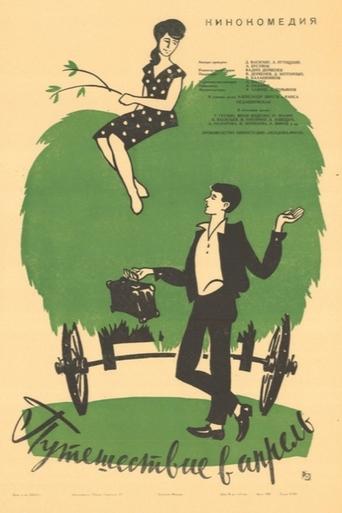
Ukrainian actor: brief but notable career was primarily centered in Soviet cinema during the early 1960s. His most recognized work came in 1962 when he appeared in the film 'Journey into April' (Ukrainian: 'Podorozh v kviten'), a drama directed by Viktor Ivchenko. The film itself was a significant production for the Dovzhenko Film Studio, prestigious studios in the Ukrainian SSR. Karpa's role, while not a leading part, placed him within the context of a new wave of post-Stalinist Soviet cinema that began to explore more nuanced and humanistic themes. His career appears to have been extremely short, with filmographies and historical records only crediting him with work in 1962. This limited filmography makes detailed reconstruction of his life and career challenging, marking him as a figure known primarily for a single, significant contribution to Ukrainian cinematic history. Beyond this appearance, there is little documented evidence of other film or stage work, suggesting he may have been a non-professional actor cast for a specific role or had a career cut short for unknown reasons.
The Craft
Milestones
- Appeared in the feature film 'Journey into April' (1962)
Best Known For
Iconic Roles
Must-See Films
Working Relationships
Worked Often With
Studios
Why They Matter
Impact on Culture
Dmytro Karpa's cultural impact is intrinsically tied to his single film, 'Journey into April.' As a participant in this film, he contributed to a work that represented the evolving landscape of Ukrainian cinema in the early 1960s, a period marked by a cautious cultural thaw following the death of Stalin. The film itself is a product of its time, reflecting the social and artistic shifts within the Soviet Union. While Karpa's individual contribution may have been small, he is part of the collective artistic effort that created a piece of Ukrainian cultural heritage, preserved for posterity as a document of the era's cinematic style and thematic concerns.
Lasting Legacy
The legacy of Dmytro Karpa is that of a minor but documented figure in the history of Ukrainian film. He represents the countless supporting actors and bit-part players who are essential to the creation of cinema but whose individual stories often remain untold. His name is preserved in film databases and credits, ensuring he is not entirely lost to history. For film historians and enthusiasts, he serves as a reminder of the vast, often anonymous, talent pool that formed the backbone of national film industries like that of the Ukrainian SSR.
Who They Inspired
Given the brevity of his documented career, there is no evidence to suggest that Dmytro Karpa directly influenced other actors or filmmakers. His legacy is not one of mentorship or stylistic innovation but rather of participation. He stands as an example of an actor whose influence is confined to the specific role he played, contributing to the overall texture of a single film without a broader, traceable impact on the art form itself.
Off Screen
Due to the scarcity of records, very little is known about Dmytro Karpa's personal life. His brief appearance in a single film and the lack of subsequent credits suggest he was not a prominent public figure in the Soviet cultural landscape. Information regarding his family, relationships, or life outside of his one film credit has not been preserved in widely accessible historical or cinematic archives.
Did You Know?
- His entire known film career consists of a single credit from the year 1962.
- 'Journey into April', his only known film, was directed by Viktor Ivchenko, a prominent figure in Ukrainian cinema.
- The film was produced at the Dovzhenko Film Studio, named after the legendary Soviet Ukrainian filmmaker Alexander Dovzhenko.
- He is listed in some film databases as 'Dmitry Karpa,' an alternative transliteration of his name from Cyrillic to Latin script.
- Details about his specific role in the film are scarce, and he is not listed among the principal cast, suggesting it was likely a supporting or minor part.
- The lack of any other film credits has led to speculation that he may have been a non-professional actor or a stage actor whose film work was limited to this one production.
Frequently Asked Questions
Who was Dmytro Karpa?
Soviet-era Ukrainian with credits in this catalog. He is considered a minor figure in cinema, known primarily for this single appearance.
What films is Dmytro Karpa best known for?
Titles linked here include Journey into April (1962).
When was Dmytro Karpa born and when did he die?
The exact dates of Dmytro Karpa's birth and death are not publicly known. He is identified as being active in the Ukrainian SSR during the early 1960s.
What awards did Dmytro Karpa win?
There are no records of Dmytro Karpa receiving any major awards or nominations for his work in film, likely due to his very brief and minor acting career.
What was Dmytro Karpa's acting style?
Due to the lack of extensive filmography and detailed records, it is not possible to define Dmytro Karpa's specific acting style. His only known role was a minor part in a single feature film.