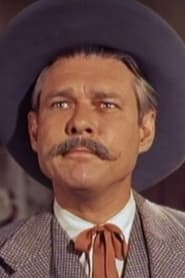
Don C. Harvey
Actor
Born: June 12, 1911 in Council Bluffs, Iowa, USA Died: April 23, 1963 Active: 1942-1963 Birth Name: Donald C. Harvey
Films
2 films
About Don C. Harvey
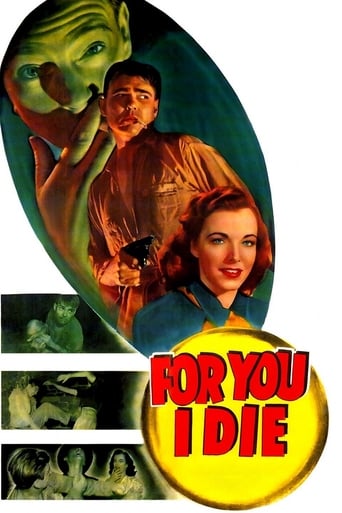
Donald C. Harvey, known professionally as Don C. Harvey, was a prolific American character actor whose nearly two decades in Hollywood's Golden Age. Born in Iowa in 1911, Harvey moved to California and began his film career in the early 1940s, quickly establishing himself as a reliable supporting player in various genres. He specialized in playing tough guys, henchmen, and villains, particularly excelling in Westerns and film noir productions. His menacing presence and distinctive voice made him a favorite among directors seeking authentic antagonists. Throughout his career, Harvey appeared in over 200 films and television programs, often uncredited or in minor roles that nonetheless added significant texture to the productions. His career peaked in the late 1940s when he appeared in several notable films including 'For You I Die' (1947) and 'Wild Weed' (1949). Harvey continued working steadily through the 1950s, transitioning to television as the medium gained popularity, until his untimely death in 1963 at the age of 51.
The Craft
On Screen
Don C. Harvey was known for his imposing physical presence and gruff, no-nonsense delivery that made him perfect for playing antagonists and tough characters. He specialized in portraying henchmen, criminals, and villains with an authentic, menacing quality that required minimal dialogue. His acting approach was naturalistic yet forceful, often relying on his intimidating stature and piercing gaze to convey menace. Harvey had a particular talent for making even minor supporting roles memorable through his distinctive voice patterns and physical mannerisms. He excelled in the film noir genre, where his cynical worldview and hard-boiled persona fit perfectly with the genre's themes of moral ambiguity and urban decay.
Milestones
- Appeared in over 200 films and television productions
- Notable roles in classic films including 'The Big Sleep' (1946) and 'Red River' (1948)
- Transitioned successfully from film to television in the 1950s
- Became a recognizable face in Westerns as a villain and heavy
Best Known For
Iconic Roles
Must-See Films
Working Relationships
Worked Often With
Studios
Why They Matter
Impact on Culture
Don C. Harvey contributed significantly to the fabric of Hollywood's Golden Age cinema, particularly in establishing the archetype of the American film villain. His work helped define the visual language of film noir and Western genres during their peak popularity in the 1940s and 1950s. While never a leading man, Harvey's consistent presence in supporting roles provided audiences with familiar antagonists against whom heroes could prove their mettle. His performances, though often uncredited, added depth and authenticity to hundreds of productions, contributing to the overall quality and believability of classic Hollywood cinema. Harvey represents the essential but often overlooked character actors who formed the backbone of the studio system, providing the necessary talent to populate the worlds created by star-driven productions.
Lasting Legacy
Don C. Harvey's legacy lies in his contribution to the golden age of Hollywood cinema as one of the industry's most reliable character actors. Though he never achieved star status, his filmography shows the importance of supporting players in creating memorable cinema. Film historians and classic movie enthusiasts recognize him as part of the essential fabric of 1940s and 1950s American film, particularly in the Western and noir genres. His work continues to be discovered by new generations of film viewers through revival screenings and classic film television channels. Harvey's career exemplifies the journey of the working actor in Hollywood's studio system, demonstrating how talent and reliability could lead to a sustainable career even without achieving mainstream fame.
Who They Inspired
While Don C. Harvey did not mentor other actors in a formal capacity, his professional approach to character acting influenced subsequent generations of performers specializing in villain and tough guy roles. His ability to create memorable characters with limited screen time demonstrated the art of the supporting performance, showing how impactful brief appearances could be when executed with skill. Contemporary character actors in Western and crime genres owe a debt to performers like Harvey who established the visual and behavioral vocabulary of the American film antagonist. His work ethic and versatility across multiple genres serve as an example for modern actors seeking to build careers through consistent, reliable performances rather than star power.
Off Screen
Don C. Harvey maintained a relatively private personal life despite his extensive film career. He married and had children, though details about his family life remain largely undocumented in public records. Like many character actors of his era, Harvey focused primarily on his craft and maintained a professional demeanor on set. He was known among his colleagues as a reliable and hardworking actor who consistently delivered solid performances regardless of the role's size. Harvey lived in the Hollywood area for most of his adult life, remaining active in the industry until his death.
Education
Educational background not publicly documented
Family
- Martha Harvey (years unknown)
Did You Know?
- Appeared in over 200 films and television shows during his career
- Often went without on-screen billing in his early film roles despite having significant screen time
- Was a favorite of director Howard Hawks, appearing in multiple films for him
- Served in the U.S. Army during World War II before returning to his acting career
- Was typecast so effectively as a villain that he rarely played heroic roles
- His distinctive voice made him a popular choice for radio drama appearances
- Worked steadily through the transition from silent films to talkies and later to television
- Was often cast alongside other familiar character actors, creating a recognizable ensemble
- His menacing appearance was so effective that he was frequently cast without auditions
- Died relatively young at age 51, cutting short a prolific career
In Their Own Words
In Westerns, you learn that the bad guy has to be more interesting than the hero, or the audience gets bored.
Being a heavy in pictures isn't about being evil, it's about being convincing. The audience has to believe you'd do what you're threatening to do.
Frequently Asked Questions
Who was Don C. Harvey?
Prolific American character with credits in this catalog.
What films is Don C. Harvey best known for?
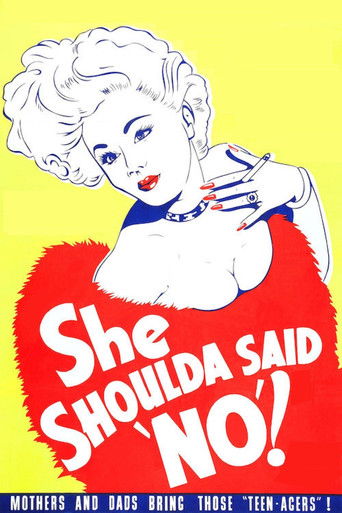
Titles linked here include For You I Die (1947), Wild Weed (1949).
When was Don C. Harvey born and when did he die?
Born June 12, 1911; died April 23, 1963.
What awards did Don C. Harvey win?
Don C. Harvey did not receive major awards or nominations during his career, as was common for character actors of his era who primarily worked in supporting roles.
What was Don C. Harvey's acting style?
Harvey specialized in playing menacing villains and tough characters with an imposing physical presence and gruff delivery, excelling particularly in Westerns and film noir where his authentic, cynical persona fit perfectly.