Films
2 films
About Hong Bai
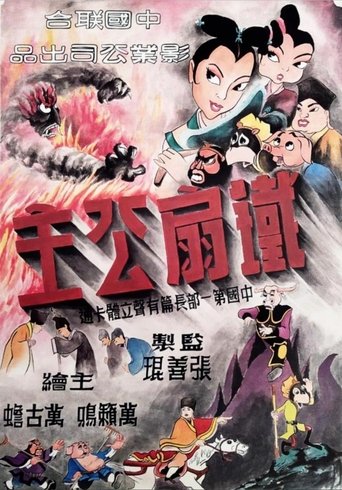
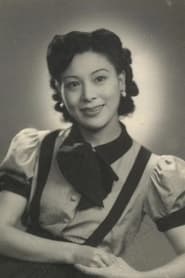
This archive lists one role for Hong Bai: Princess Iron Fan (1941). Hong appears in two significant films of the era: the animated feature 'Princess Iron Fan' (1941) where he likely provided voice work, and the literary adaptation 'Dream of the Red Mansions' (1944). His career coincided with the Japanese occupation of Shanghai, when Chinese filmmakers faced extreme challenges in producing and distributing their work. Though his filmography was brief, spanning only from 1941 to 1944, Hong Bai contributed to two of the most important Chinese films of their respective years. Hong Bai's work represents the resilience of Chinese cinema during wartime, when many artists continued to create despite political and economic hardships. Unfortunately, detailed records about his life and career are scarce, reflecting the loss of historical documentation during China's political upheavals in the mid-20th century.
The Craft
Milestones
- Appeared in China's first animated feature film 'Princess Iron Fan' (1941)
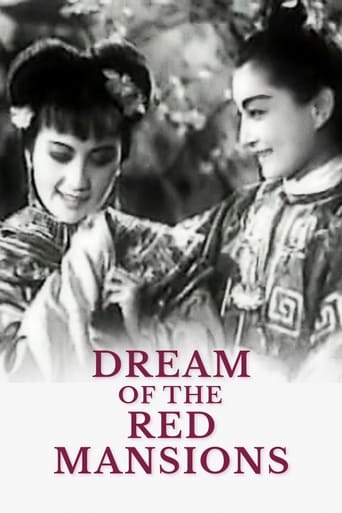
- Acted in the prestigious literary adaptation 'Dream of the Red Mansions' (1944)
- Worked during the Japanese occupation period in Shanghai
Best Known For
Must-See Films
Working Relationships
Worked Often With
Why They Matter
Impact on Culture
Hong Bai's contribution to Chinese cinema, though brief, came during a critical period in the country's film history. His involvement in 'Princess Iron Fan' placed him at the forefront of Chinese animation history, as this was the first feature-length animated film produced in China and one of the first in the world. During the Japanese occupation of Shanghai, when many Chinese filmmakers faced censorship and persecution, Hong Bai's continued work demonstrated the resilience of Chinese artists. His participation in 'Dream of the Red Mansions' connected him to one of China's most beloved literary classics, helping to preserve and adapt cultural heritage during wartime.
Lasting Legacy
Hong Bai's legacy is preserved through his appearances in two historically significant Chinese films. 'Princess Iron Fan' remains a milestone in animation history, frequently studied by film scholars and referenced in discussions of early Chinese cinema. The film's success and influence extended beyond China, inspiring animators across Asia, including early Japanese animation pioneers. His work in 'Dream of the Red Mansions' contributed to the long tradition of adapting this classic novel to screen, a practice that continues in Chinese cinema today. Though personal details about Hong Bai may be lost to history, his filmic contributions endure as part of China's cultural and cinematic heritage.
Who They Inspired
As an actor from the early 1940s Chinese cinema, Hong Bai's direct influence on subsequent generations of performers is difficult to trace due to limited documentation. However, his work in films like 'Princess Iron Fan' helped establish precedents for voice acting in Chinese animation. The film itself influenced generations of Chinese animators and demonstrated that Chinese studios could produce feature-length animation comparable to international standards. His participation in literary adaptations during wartime helped maintain the tradition of bringing classical Chinese literature to the screen, a practice that would become increasingly important in post-war Chinese cinema.
Off Screen
Very limited information is available about Hong Bai's personal life, which is common for many Chinese actors from this era due to the destruction of records during China's political upheavals in the mid-20th century.
Did You Know?
- Hong Bai appeared in China's first animated feature film 'Princess Iron Fan' (1941)
- The film 'Princess Iron Fan' was based on a story from the classic novel 'Journey to the West'
- 'Dream of the Red Mansions' (1944) was one of the earliest major film adaptations of this literary masterpiece
- Both films Hong Bai appeared in were produced during the Japanese occupation of Shanghai
- The Wan brothers, directors of 'Princess Iron Fan', are considered pioneers of Chinese animation
- Very few actors from this period in Chinese cinema have complete biographical records due to historical disruptions
- Hong Bai's active years covered only three years but included two of the most significant Chinese films of the 1940s
Frequently Asked Questions
Who was Hong Bai?
Screen credits include two historically significant films: 'Princess Iron Fan' (1941), China's first animated feature, and 'Dream of the Red Mansions' (1944), a prestigious literary adaptation. His brief career from 1941-1944 coincided with the Japanese occupation of Shanghai, a challenging period for Chinese cinema.
What films is Hong Bai best known for?
Titles linked here include Princess Iron Fan (1941), Dream of the Red Mansions (1944).
When was Hong Bai born and when did he die?
Specific birth and death dates for Hong Bai are not available in historical records, which is common for many Chinese actors from this era due to the loss of documentation during China's political upheavals in the mid-20th century.
What awards did Hong Bai win?
There are no recorded awards or nominations for Hong Bai, which reflects both the limited nature of his film career and the scarcity of detailed records from Chinese cinema during the wartime occupation period.
What was Hong Bai's acting style?
Specific details about Hong Bai's acting style are not documented in available historical records. However, his work in both animation (likely voice work) and live-action during the 1940s suggests versatility in performance mediums during a challenging period for Chinese artists.