
Films
2 films
About Taylor N. Duncan
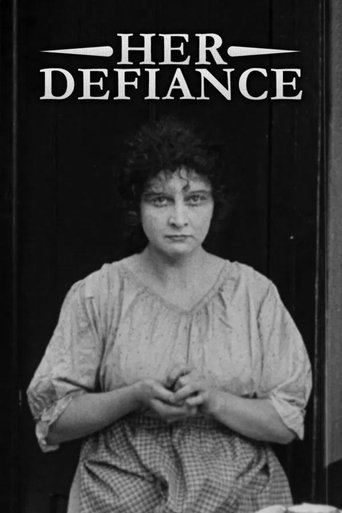
Taylor N. Duncan worked on silent films during the mid-1910s to early 1920s. His brief film from 1916 to 1920, during which he appeared in supporting roles in several productions. Most notably, he appeared in 'Her Defiance' (1916) and 'Suds' (1920), the latter being a comedy starring Mary Pickford. Like many character actors of the silent era, Duncan likely played various bit parts and supporting roles that helped populate the ensemble casts of the period's films. His career appears to have been relatively short-lived, as was common for many actors who either transitioned out of the industry or failed to make the transition to sound films. Little documentation exists about his personal life or career trajectory beyond these film credits, suggesting he was not among the era's prominent stars but rather a working actor who contributed to the fabric of early Hollywood productions.
The Craft
Milestones
- Appeared in 'Her Defiance' (1916)
- Supporting role in 'Suds' (1920) starring Mary Pickford
Best Known For
Must-See Films
Working Relationships
Worked Often With
Why They Matter
Impact on Culture
Taylor N. Duncan represents the countless working actors who formed the backbone of silent era cinema but have largely been lost to film history. While not a major star, his contributions to films like 'Suds' (1920) helped create the rich ensemble casts that characterized Mary Pickford's productions. These character actors were essential to the storytelling of the silent era, providing the necessary supporting performances that allowed stars to shine. Their work, though often uncredited or minimally documented, was integral to the development of early American cinema and the establishment of Hollywood as a film production center.
Lasting Legacy
Taylor N. Duncan's legacy is primarily archival, existing in the film credits of surviving silent movies. He represents the vast population of working actors from the silent era whose names are known only to dedicated film historians and archivists. His appearance in 'Suds' (1920), a significant Mary Pickford film, ensures his name is preserved in film history, even if details of his life and career remain scarce. His story illustrates how many talented performers contributed to early cinema without achieving lasting fame, their work serving as building blocks for the Hollywood system that would follow.
Who They Inspired
As a supporting actor with limited documentation, Taylor N. Duncan's direct influence on other performers is difficult to trace. However, like all working actors of his era, he contributed to the professionalization of film acting and the development of screen performance techniques that would influence subsequent generations. His work in ensemble casts helped establish the importance of supporting performances in narrative filmmaking, a principle that remains fundamental to cinema today.
Off Screen
Very limited information is available about Taylor N. Duncan's personal life, which is typical for many supporting actors from the silent era who were not major stars. Like many character actors of this period, his life details were not extensively documented in film publications or entertainment press of the time.
Did You Know?
- Taylor N. Duncan appeared in films during the peak years of the silent era
- His most documented role was in 'Suds' (1920), which starred the legendary Mary Pickford
- Like many silent era actors, his career appears to have ended around the time sound films began to emerge
- His middle initial 'N' suggests he may have shared a name with other actors, requiring the initial for distinction
- The scarcity of information about him is typical of character actors from this period who were not major stars
- His filmography spans only four years, indicating a relatively brief career in the industry
- He worked during the transition period when Hollywood was establishing itself as the center of American film production
Frequently Asked Questions
Who was Taylor N. Duncan?
American character with credits in this catalog.
What films is Taylor N. Duncan best known for?
Titles linked here include Her Defiance (1916), Suds (1920).
When was Taylor N. Duncan born and when did he die?
Specific birth and death dates for Taylor N. Duncan are not documented in available historical records, which is common for many supporting actors from the silent era.
What awards did Taylor N. Duncan win?
There are no records of Taylor N. Duncan receiving any major awards or nominations, which was typical for character actors of his era who worked primarily in supporting roles.
What was Taylor N. Duncan's acting style?
Specific details about Taylor N. Duncan's acting style are not documented in available sources, though as a silent era actor he would have used the exaggerated gestures and facial expressions characteristic of the period.
Why is so little known about Taylor N. Duncan?
The scarcity of information about Taylor N. Duncan is typical of many supporting actors from the silent era who were not major stars, as entertainment press of the time primarily focused on leading performers and directors.