
Doris Eaton
Actor
Born: March 14, 1904 in Norfolk, Virginia, USA Died: May 11, 2010 Active: 1918-2010 (performance career primarily 1918-1930s) Birth Name: Doris Levonia Eaton
Films
1 film
About Doris Eaton
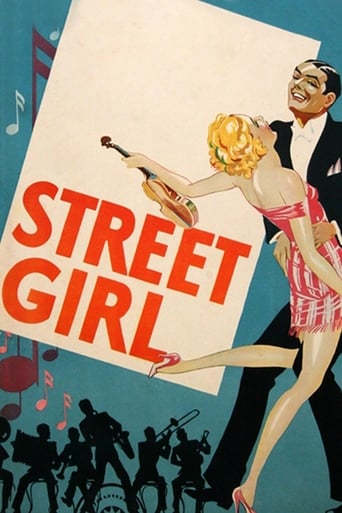
Doris Eaton Travis was born in 1904 in Norfolk, Virginia, and began her career as a child performer alongside her sisters in the famous Eaton family of entertainers. At age 14, she joined the Ziegfeld Follies, becoming one of the youngest performers ever to appear in the Broadway revue. Doris appears in several editions of the Follies throughout the 1920s, establishing herself as a prominent dancer and performer of the Jazz Age. Her brief film career in 1929 included appearances in early sound films, including 'Street Girl,' where she showcased her dancing talents during the transition from silent to talking pictures. After her entertainment career waned during the Great Depression, she became a dance instructor and later operated a ranch. Remarkably, she returned to Broadway in 2004 at age 100 to participate in the 'Eaton Sisters' tribute, making her one of the few performers to span more than nine decades of American entertainment history.
The Craft
On Screen
Primarily known for her graceful dancing and stage presence rather than dramatic acting. Her style reflected the elegant, sophisticated entertainment of the Jazz Age, with training in ballet and theatrical dance that translated well to the early sound film format where musical numbers were featured.
Milestones
- Youngest performer in Ziegfeld Follies at age 14
- Appeared in multiple Ziegfeld Follies editions (1918-1920)
- Film appearance in 'Street Girl' (1929)
- Became dance instructor after performing career
- Returned to Broadway at age 100 for 'Eaton Sisters' tribute
- Lived to be 106, one of the last surviving Ziegfeld girls
Best Known For
Iconic Roles
Must-See Films
Accolades
Special Recognition
- Broadway comeback at age 100 (2004)
- Recognized as one of the last surviving Ziegfeld Follies performers
- Featured in documentary 'Ziegfeld Girl' (2011)
Working Relationships
Worked Often With
Studios
Why They Matter
Impact on Culture
Doris Eaton Travis represents a direct link to the golden age of Broadway and the transition from silent to sound films. As one of the Ziegfeld Follies' most enduring performers, she embodied the glamour and artistry of the Jazz Age. Her remarkable longevity allowed her to serve as a living historian of early 20th century American entertainment, preserving memories and stories of an era that might otherwise have been lost. Her return to Broadway at age 100 demonstrated the enduring appeal of classic entertainment and inspired audiences with her vitality and dedication to her art.
Lasting Legacy
Doris Eaton Travis left an indelible mark as one of the last living connections to the Ziegfeld Follies era. Her memoir 'The Days We Danced' provides invaluable firsthand accounts of early 20th century entertainment. Her life story spans the evolution of American popular culture from vaudeville through Broadway's golden age to modern times. As a centenarian performer, she became a symbol of the timeless nature of artistic expression and inspired younger generations to appreciate the foundations of American theater and dance.
Who They Inspired
Her influence extends through the thousands of students she taught as a dance instructor, passing on techniques and traditions from the early 20th century. She influenced younger performers through her example of adaptability and perseverance, transitioning from performer to teacher to author. Her longevity and continued engagement with the arts well into her 100s inspired many to pursue artistic expression regardless of age.
Off Screen
Doris Eaton Travis had a rich personal life that spanned over a century. She married five times and had one son. After her performing career ended, she moved to Michigan where she became a successful dance instructor, teaching thousands of students over 32 years. Later in life, she moved to Texas where she ran a cattle ranch with her fifth husband. She became an accomplished author, writing her memoir 'The Days We Danced' in 2003. Her longevity made her a living connection to the early 20th century entertainment world, and she frequently gave interviews and appeared in documentaries about the Ziegfeld era.
Education
Trained in dance from early childhood alongside her sisters; studied ballet and theatrical dance professionally
Family
- Joe Gorham (1926-1929)
- Paul Travis (1930-1948)
- Jack F. Banning (1950-1961)
- Richard C. Parmenter (1962-1975)
- Stanley Travis (1976-2008)
Did You Know?
- She was the youngest of the seven Eaton siblings who all performed professionally
- She made her Broadway debut at age 8 in a production with her sisters
- At age 14, she was the youngest performer ever hired for the Ziegfeld Follies
- She appeared on the cover of the March 1921 issue of 'Theatre Magazine'
- She was a licensed pilot and flew her own airplane in the 1930s
- She taught dance for 32 years in Michigan, influencing thousands of students
- She appeared on the TV game show 'I've Got a Secret' in 2005 at age 101
- She was one of the few Ziegfeld girls to live into the 21st century
- She danced at the White House Easter Egg Roll at age 102
- Her first marriage at age 22 ended in divorce when her husband abandoned her
In Their Own Words
The days we danced were the best days of my life, and I've been lucky to have so many good days.
I never thought of myself as old. I just kept doing what I loved.
The Ziegfeld Follies taught us discipline and grace - lessons that served me my entire life.
Age is just a number. The important thing is to keep moving and keep dancing.
I've seen entertainment change so much, but the joy of performing never changes.
Frequently Asked Questions
Who was Doris Eaton?
Doris Eaton Travis was an American performer and dancer who gained fame as one of the youngest Ziegfeld Follies girls. She began performing as a child with her sisters and had a career spanning over nine decades, including brief film work in 1929 and a remarkable Broadway comeback at age 100.
What films is Doris Eaton best known for?
Her most notable film appearance was in 'Street Girl' (1929), an early sound film where she showcased her dancing talents. While her film career was brief, this appearance represents her contribution to early cinema during the transition from silent to talking pictures.
When was Doris Eaton born and when did she die?
Doris Eaton Travis was born on March 14, 1904, in Norfolk, Virginia, and passed away on May 11, 2010, at age 106 in Commerce, Michigan, making her one of the longest-lived performers from the early 20th century entertainment world.
What awards did Doris Eaton win?
While she didn't receive major formal awards during her performing career, she was honored with a special Broadway tribute in 2004 where she performed at age 100. Her greatest recognition came from being celebrated as one of the last surviving Ziegfeld Follies performers and her contributions to preserving early 20th century entertainment history.
What was Doris Eaton's dancing style?
Her dancing style reflected the elegant and sophisticated entertainment of the Jazz Age, combining classical ballet training with theatrical dance. As a Ziegfeld performer, she embodied the graceful, precise choreography that characterized the Follies' productions, with an emphasis on poise, elegance, and technical precision.