Leo Nomis
Actor
- Active
- 1925-1925
Films 1
About Leo Nomis
Leo Nomis appears to have been a very obscure silent-era screen performer whose surviving credit, in readily accessible film-reference sources, is the 1925 feature "California Straight Ahead." Beyond that single identifiable film appearance, there is little reliably documented public information about his life, training, or later career, which is not unusual for minor or uncredited players from the silent period. He seems to have worked in the American film industry during the mid-1920s, a time when studios used large rosters of contract and bit-part performers whose names were often lost in production records. Because the historical record is so sparse, it is not possible to confidently reconstruct a fuller career arc without risking confusion with similarly named or obscure industry personnel. What can be said with confidence is that he is part of the wide supporting cast of the silent era, when thousands of actors contributed to the output of Hollywood's rapidly expanding studio system. His surviving film association places him within the early automotive and adventure-oriented popular cinema of the 1920s, even if his individual role is not well preserved in modern reference sources. As a result, Leo Nomis is best understood today as a documented but still elusive participant in classic American silent film history.
More about Leo Nomis
In film history
Leo Nomis's cultural impact is primarily archival and historical rather than celebrity-based. His presence in the cast of a surviving 1925 picture underscores how many silent-era contributors remain partially anonymous despite helping build the medium's early narrative and industrial vocabulary. For researchers and database curators, his credit is valuable because it preserves evidence of labor and participation in a formative phase of Hollywood filmmaking. He stands as an example of the many working actors whose contributions were real and necessary, even though the historical spotlight has mostly fallen on the stars, directors, and marquee names of the period.
Later reputation
His legacy lies in his documented participation in silent cinema and in the broader preservation of film history through cast lists and archival records. Even a single surviving credit can matter, because it helps reconstruct production networks and the personnel who made early Hollywood films possible. In that sense, Leo Nomis represents the countless lesser-known performers whose names survive in the margins of film history and who collectively shaped the industry’s development. His record is a reminder that film history is not only built from fame, but also from the many uncelebrated working artists who moved through studios, short subjects, and feature productions during the silent era.
Influence
There is no documented evidence that Leo Nomis directly influenced other actors or filmmakers in a traceable, named way. His broader influence is indirect: by being part of the silent-era workforce, he contributed to the ensemble system that helped define American studio filmmaking. The surviving credit provides historians with another data point in understanding casting practices and the size of the talent pool during the 1920s. Any influence he may have had would have been local and practical rather than widely recorded or stylistically identifiable.
Off screen
No reliable, verifiable biographical record of Leo Nomis's personal life is readily available in standard film-reference sources. Details about his family background, marriages, residence, or later occupation have not been documented in a way that can be confirmed confidently from the surviving public record. Like many minor silent-era performers, he may have left very limited trace outside a small number of production records and film credits.
Credits
- Appeared in the 1925 silent film "California Straight Ahead"
- Represents one of the many lesser-documented working actors employed during Hollywood's silent-era studio boom
- Has a verifiable film credit in surviving reference sources, which is notable given the incomplete record for many 1920s performers
Films
- California Straight Ahead (1925)
Notes
- Leo Nomis is strongly associated with only one readily verifiable film credit in contemporary reference materials.
- He worked during the silent film era, when many performers appeared in films without extensive surviving biographical records.
- His name survives primarily through cast documentation rather than personal publicity or long-form press coverage.
- The rarity of available information makes him a representative example of forgotten or lightly documented studio-era performers.
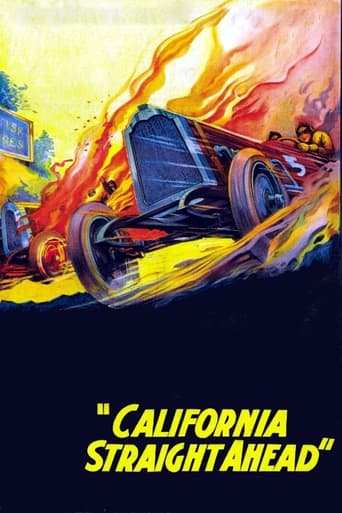
- "California Straight Ahead" belongs to the mid-1920s automobile/adventure wave that was popular with audiences of the period.
- Because of the scarcity of sources, Leo Nomis is a useful figure for researchers studying incomplete silent-era filmographies.
Questions
Who was Leo Nomis?
Leo Nomis was a very obscure silent-era actor known from surviving film reference materials for appearing in "California Straight Ahead" (1925). He does not have a widely documented biography in modern sources, which is common for minor performers from the 1920s. His importance today is primarily historical, as a traceable participant in early Hollywood cinema.
What films is Leo Nomis best known for?
He is best known for "California Straight Ahead" (1925), his documented screen credit. No other films can be confidently confirmed from the available record without risking misidentification. As a result, his known filmography is extremely limited in surviving public sources.
When was Leo Nomis born and when did he die?
His birth and death dates are not readily available in reliable film-reference sources. The surviving record identifies him primarily through a 1925 acting credit, but not through a full biographical entry. Without stronger documentation, both dates must remain unknown.
What awards did Leo Nomis win?
No awards or nominations are currently documented for Leo Nomis in the accessible historical record. He appears to have been a minor or supporting performer rather than a star with a formal awards profile. Silent-era bit players and small-role actors were often not recognized individually by major awards bodies.
What was Leo Nomis's acting style?
There is no surviving critical description of his acting style in the available record. Since he worked in the silent era, any performance would have relied on visual expression, gesture, and physical presence rather than spoken dialogue. However, his individual technique cannot be described confidently without reviews or detailed production notes.
What is Leo Nomis's legacy in film history?
His legacy is chiefly as a documented but obscure contributor to silent-era filmmaking. Even a single surviving credit helps historians reconstruct the personnel who worked in Hollywood during the 1920s. In that sense, he is part of the broad, underrecognized labor force that made classic cinema possible.