Films
2 films
About Laura Oakley
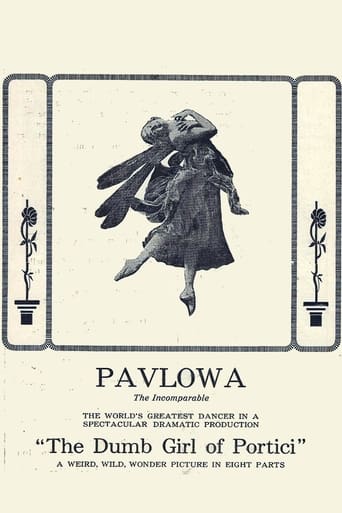
American silent film actress who had a notably brief career during the years of cinema. Her only known film appearance was in the 1916 production 'The Dumb Girl of Portici,' a significant silent era film directed by the female filmmaker Lois Weber. The film was particularly notable for starring the world-famous Russian ballerina Anna Pavlova in her film debut. Oakley's participation in this ambitious production, which was based on the opera 'La Muette de Portici,' suggests she may have been part of Universal Pictures' roster of contract players during this period. Unfortunately, like many supporting players from the silent era, detailed records of her life and career are scarce, and she appears to have left the film industry after this single notable appearance. Her brief career trajectory was not uncommon for early cinema actors who either chose other paths or failed to secure continued opportunities in the rapidly evolving film industry.
The Craft
Milestones
- Appeared in 'The Dumb Girl of Portici' (1916) alongside legendary ballerina Anna Pavlova
- Worked under female director Lois Weber
- Participated in one of Universal Pictures' major productions of 1916
Best Known For
Iconic Roles
Must-See Films
Working Relationships
Worked Often With
Studios
Why They Matter
Impact on Culture
Laura Oakley's cultural impact is minimal due to her extremely brief film career, consisting of only one known appearance. However, her participation in 'The Dumb Girl of Portici' connects her to an important moment in early cinema history - the collaboration between Universal Pictures and world-renowned ballerina Anna Pavlova. The film itself was significant as one of the earliest examples of bringing classical dance and opera to the silver screen, representing the artistic ambitions of the silent film industry during its formative years.
Lasting Legacy
Laura Oakley's legacy is primarily that of a representative example of the many anonymous supporting actors who populated early silent films. While she did not achieve lasting fame or recognition, her appearance in a historically significant 1916 production ensures she is at least documented in film archives. She represents the countless performers who contributed to the development of cinema during its early years, even if their individual contributions were modest and their careers brief.
Who They Inspired
Given her brief career and limited filmography, Laura Oakley had no discernible influence on other actors or directors. She is more representative of the journeyman actors who formed the backbone of early film productions rather than an influential figure who shaped the art form itself.
Off Screen
Very little is known about Laura Oakley's personal life, which is typical for many supporting actors from the silent era who had brief careers. Like many performers of her time, she may have come from a theatrical background or been discovered for her photogenic qualities during the early boom in film production. The lack of documentation about her life outside of her single film credit suggests she either returned to private life or pursued other career paths after her brief stint in cinema.
Did You Know?
- 'The Dumb Girl of Portici' was her only known film appearance
- The film she appeared in was directed by female filmmaker Lois Weber
- Her co-star Anna Pavlova was
- The film was based on Daniel Auber's 1828 opera 'La Muette de Portici'
- Universal Pictures invested heavily in this production as one of their prestige films of 1916
- The film is now considered lost, like the majority of silent films
- Laura Oakley is listed among hundreds of early film actors with minimal biographical information available
Frequently Asked Questions
Who was Laura Oakley?
American silent film actress who had an extremely brief career in 1916, appearing in only one known film, 'The Dumb Girl of Portici.' She was a supporting player in this significant Universal Pictures production directed by filmmaker Lois Weber.
What films is Laura Oakley best known for?
Titles linked here include The Dumb Girl of Portici (1916).
When was Laura Oakley born and when did she die?
Unfortunately, Laura Oakley's birth and death dates are not documented in historical records, which is common for many supporting actors from the silent era who had brief careers and minimal public recognition.
What awards did Laura Oakley win?
Laura Oakley did not receive any known awards or nominations for her brief film work, which was typical for supporting actors during the early silent film period when formal award systems were not yet established.
What was Laura Oakley's acting style?
Due to the loss of her only known film and lack of contemporary reviews, Laura Oakley's specific acting style cannot be determined. Like most silent era actors, she would have used exaggerated gestures and facial expressions typical of the period.
Why did Laura Oakley's career end so quickly?
The reasons for Laura Oakley's brief career are unknown, though this was not uncommon in the early film industry. Many actors appeared in only one or two films before either returning to other professions or failing to secure continued opportunities in the rapidly evolving cinema business.