Alwin Neuß
Actor
Born: June 17, 1879 in Cologne, German Empire Died: October 30, 1915 Active: 1913-1915
Films
1 film
About Alwin Neuß
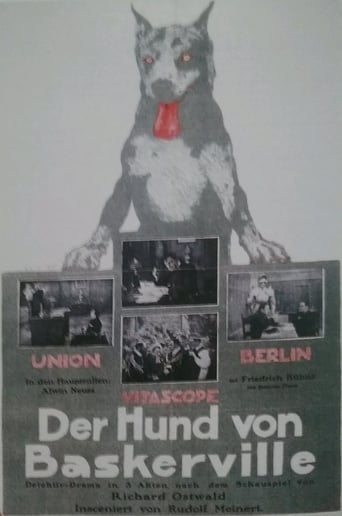
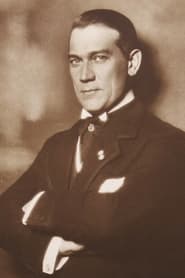
German actor of the silent film era who achieved historical significance as one of the first actors to portray Sherlock Holmes on screen. Born in the late 19th century, Neuß began his career on the German stage before transitioning to the burgeoning film industry in the early 1910s. His most notable contribution to cinema history came in 1914 when he starred in the German adaptation of 'The Hound of the Baskervilles,' playing the detective Sherlock Holmes. This film was particularly significant as it was one of the earliest feature-length Holmes adaptations and predated many more famous portrayals. Neuß's interpretation of Holmes helped establish the visual template for the character in early cinema. Beyond his Holmes role, he appeared in several other German silent films throughout the 1910s, though his filmography was relatively brief compared to contemporaries. His career was cut short by his untimely death, but his contribution to early detective cinema remains historically important.
The Craft
On Screen
Neuß employed the theatrical, exaggerated acting style typical of the silent era, using broad gestures and expressive facial features to convey emotion and character. His portrayal of Sherlock Holmes emphasized the detective's intellectual superiority and analytical nature through deliberate, measured movements and intense gazes. Like many stage actors transitioning to film, he brought a certain theatrical gravitas to his screen performances.
Milestones
- First actor to play Sherlock Holmes in a feature film
- Starred in 'The Hound of the Baskervilles' (1914)
- Pioneer in German silent cinema
- Helped establish the visual archetype for Sherlock Holmes in film
Best Known For
Iconic Roles
Must-See Films
Accolades
Special Recognition
- Recognized as the first actor to portray Sherlock Holmes in a feature film
Working Relationships
Worked Often With
Studios
Why They Matter
Impact on Culture
Alwin Neuß's portrayal of Sherlock Holmes in 1914's 'The Hound of the Baskervilles' represents a significant milestone in cinema history as one of the earliest feature-length adaptations of Arthur Conan Doyle's famous detective. His interpretation helped establish visual conventions for the character that would influence subsequent portrayals, including the distinctive deerstalker cap and pipe. The film itself was groundbreaking for German cinema, demonstrating the country's early capability to produce sophisticated narrative features during the silent era. Neuß's Holmes contributed to the international popularization of the character through cinema, predating the more famous portrayals by actors like Basil Rathbone and Jeremy Brett by decades.
Lasting Legacy
Despite his brief career and early death at age 36, Alwin Neuß secured his place in film history through his portrayal of Sherlock Holmes. His 1914 performance represents an important link between the literary origins of the character and the countless cinematic adaptations that would follow. While largely forgotten by general audiences, film historians and Sherlock Holmes enthusiasts recognize Neuß as a crucial figure in the cinematic history of the detective. His work exemplifies the transitional period when theatrical acting styles were being adapted for the new medium of film, and his contribution to early German cinema reflects the sophistication of the country's film industry before World War I.
Who They Inspired
Neuß's interpretation of Sherlock Holmes influenced subsequent portrayals by establishing certain visual and behavioral tropes for the character in film. His performance demonstrated how the detective's intellectual superiority could be conveyed through the limited means of silent cinema, providing a template for future actors. The success of his Holmes film helped pave the way for the numerous Holmes adaptations that would follow throughout the 20th century, proving the character's viability as a cinematic property.
Off Screen
Alwin Neuß was married to actress Dorrit Weixler, with whom he sometimes performed on screen. His marriage was cut short by his early death, which occurred before he could fully develop his promising film career. Little detailed information survives about his personal life beyond his professional relationships and tragic early demise.
Education
Likely received theatrical training in Germany, though specific educational details are not well documented
Family
- Dorrit Weixler (1914-1915)
Did You Know?
- He was one of the first actors to portray Sherlock Holmes on screen in a feature-length film
- His 1914 'Hound of the Baskervilles' is considered a lost film, with only fragments surviving
- He died just one year after his most famous film was released
- His wife Dorrit Weixler was also a popular actress in German silent films
- The German title of his famous film was 'Der Hund von Baskerville'
- He worked with director Rudolf Meinert on several productions
- His active years covered only about two years in film
- His portrayal predated the more famous American Holmes films by over two decades
- He began his career on the German stage before transitioning to film
- His death occurred before the full flowering of German expressionist cinema
Frequently Asked Questions
Who was Alwin Neuß?
Alwin Neuß — credits here include The Hound of the Baskervilles (1914), Der Stolz der Firma (1914). Active 1913-1915.
What films is Alwin Neuß best known for?
Titles linked here include The Hound of the Baskervilles (1914), Der Stolz der Firma (1914).
When was Alwin Neuß born and when did he die?
Born June 17, 1879; died October 30, 1915.
What awards did Alwin Neuß win?
During his brief career in the early 1910s, Alwin Neuß did not receive any formal awards or nominations, as the award systems for cinema were not yet established during his lifetime.
What was Alwin Neuß's acting style?
Neuß employed the theatrical, exaggerated acting style typical of the silent era, using broad gestures and expressive facial features to convey emotion. His portrayal of Sherlock Holmes emphasized the detective's intellectual superiority through deliberate movements and intense gazes.
Why is Alwin Neuß important to film history?
Neuß is historically significant as one of the first actors to portray Sherlock Holmes in a feature film, helping establish visual conventions for the character that would influence countless future adaptations and demonstrating early German cinema's sophistication.