
Shorty Hamilton
Actor
- Active
- 1912-1912
Films 1
About Shorty Hamilton
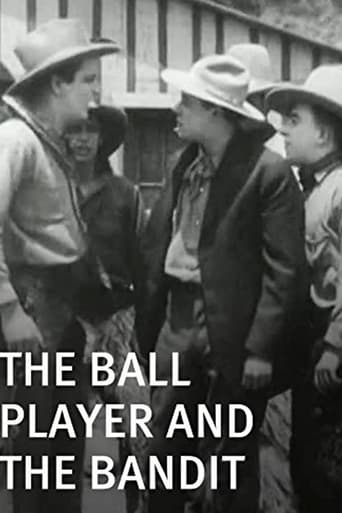
Shorty Hamilton was a silent-era screen actor who appears in surviving film records primarily as a performer in early 1910s one-reel productions. He is documented in the cast of The Ball Player and the Bandit (1912), which places him among the many working character players and supporting performers active during the formative years of American cinema. Because very little biographical material has survived, details of his early life, training, and later career remain obscure, and he is not as widely documented as the major stars of the period. His screen activity appears to have been brief and concentrated in 1912, a common pattern for many actors of the transitional nickelodeon era whose work was recorded in studio filmographies but not extensively profiled in the press. The name "Shorty" suggests a likely nickname rather than a legal birth name, but no verified source confirms his real identity. Like many early film performers, his contribution is preserved more through cast lists and film histories than through extensive surviving personal documentation. His historical significance lies in representing the countless working actors who helped shape the silent Western, comedy, and melodramatic short film formats in the earliest years of Hollywood and the American film industry.
More about Shorty Hamilton
On screen
No detailed contemporary criticism of Shorty Hamilton's performance style appears to survive in standard reference sources. As a silent-era actor active in a 1912 production, his work would have relied on expressive physical performance, clear pantomime, and exaggerated gesture typical of early screen acting. Because only a small portion of his filmography is currently documented, any fuller description of his personal screen manner would be speculative. The available evidence suggests he was a working character performer rather than a heavily publicized leading man.
In film history
Shorty Hamilton's cultural impact is best understood in the broader context of early silent cinema rather than through celebrity status. Performers like him helped populate the short-form Westerns, comedies, and melodramas that were essential to the industry’s rapid growth in the early 1910s. Even when individual biographies are sparse, these actors contributed to the development of screen acting conventions, production efficiency, and genre storytelling at a time when cinema language was still being established. His surviving credit is part of the historical fabric that allows film scholars to trace how local stage and vaudeville performers were absorbed into the new motion-picture business. His legacy lies primarily in documentation and scholarship: he is one of the names that reminds historians how much of silent-era film history was built by working actors whose careers were short, lightly publicized, or lost to incomplete archival records. In that sense, his importance is less about fame than about representation of an entire generation of performers. He remains a small but genuine part of the early American film record, especially for researchers reconstructing cast lists and production histories from the silent period.
Later reputation
Shorty Hamilton's lasting legacy is that of an early silent-film performer whose name survives in film credits even though detailed personal records have largely vanished. This makes him representative of the thousands of actors who contributed to the industry’s first decade without becoming major stars. For film historians, such figures are valuable because they help establish production networks, casting patterns, and the scale of labor behind early cinema. His legacy therefore belongs to archival film history: he endures as a documented participant in the silent era, particularly in the 1912 film record.
Influence
There is no evidence that Shorty Hamilton directly influenced major later actors or directors in a documented way. His broader influence is indirect, through participation in the early silent-film system that established acting norms for later screen performers. The physical, highly legible style required of early film actors helped define silent performance traditions, and even small supporting players contributed to that evolving language. In that respect, his work is part of the foundation on which later screen acting developed.
Off screen
No reliable biographical record has been located that provides details about Shorty Hamilton's family, marriages, residence, or later life. His personal history is one of the many gaps common to silent-era players whose careers were brief and whose publicity footprint was limited. The surviving record confirms his presence in at least one 1912 film, but not enough evidence has surfaced to reconstruct a fuller private biography. As a result, his personal life remains undocumented in standard film reference materials.
Credits
- Appeared in the silent film The Ball Player and the Bandit (1912)
- Worked during the formative one-reel era of American silent cinema
- Represents the class of early supporting performers whose credits survive primarily in studio and filmography records
Roles
- Role in The Ball Player and the Bandit (1912)
Films
Notes
- Shorty Hamilton is documented in surviving film records mainly through cast listings rather than extensive biography.
- He is associated with the 1912 silent film The Ball Player and the Bandit.
- The nickname "Shorty" strongly suggests he may have been known by a stage or informal sobriquet rather than a full professional name.
- His active period, as currently documented, is extremely brief: only 1912.
- Like many early silent-era actors, he may have worked in short films whose full preservation status is uncertain.
- No widely accepted birth or death record is readily established in standard reference summaries for this performer.
- He is an example of the many lesser-known working actors who helped populate early American cinema.
Questions
Who was Shorty Hamilton?
Shorty Hamilton was a silent-era film actor known from early 1910s screen credits, including The Ball Player and the Bandit (1912). He appears to have been a working supporting performer rather than a major star, and very little personal biographical information has survived.
What films is Shorty Hamilton best known for?
He is currently best known for The Ball Player and the Bandit (1912), the principal documented title associated with his screen work. Because his surviving filmography is so limited, no broader body of well-known films is securely established.
When was Shorty Hamilton born and when did he die?
His birth and death dates are not currently documented in reliable standard references. Many early silent-era performers like him left behind incomplete records, especially if their screen careers were brief.
What awards did Shorty Hamilton win?
No awards or formal honors are known for Shorty Hamilton. This is not unusual for early silent-era supporting players, many of whom worked long before modern awards culture existed.
What was Shorty Hamilton's acting style?
As a silent-era actor, his performances would have depended on physical expression, gesture, and pantomime rather than spoken dialogue. However, because little critical commentary survives, any more detailed description of his individual style would be speculative.
What is Shorty Hamilton's legacy in film history?
His legacy is archival and historical: he is part of the documented cast of an early 1912 silent film and therefore part of cinema's foundational workforce. He represents the many lesser-known actors whose names survive even when fuller personal histories have been lost.