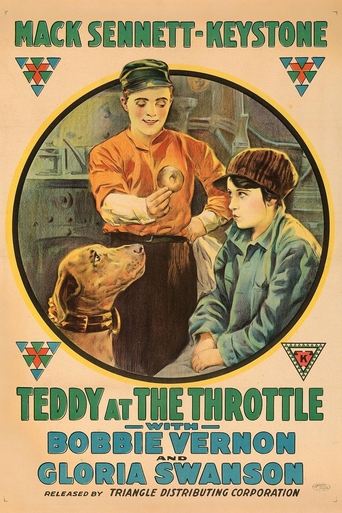
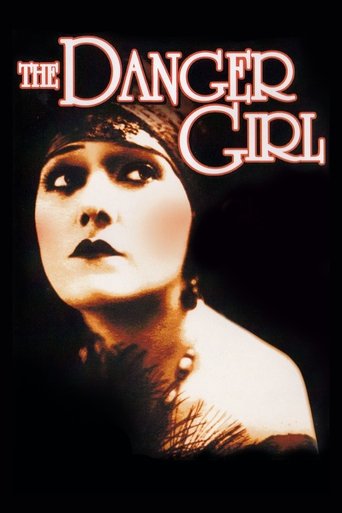
Films
2 films
About Albert T. Gillespie
Silent film actor who had a brief but notable career during the transitional period of American cinema in the mid-1910s. His filmography, though limited to just two known appearances, places him within the golden age of silent comedy shorts. Gillespie appeared in 'The Danger Girl' in 1916, followed by 'Teddy at the Throttle' in 1917, both typical of the fast-paced comedy productions that dominated the era. Like many character actors of his time, he likely worked for one of the major comedy studios of the period, possibly Keystone or similar production houses that churned out short comedies at a rapid pace. His career appears to have been confined to these two years, suggesting he may have been a bit player, extra, or someone who briefly tried acting before pursuing other interests. The brevity of his film career was not uncommon during this period when many actors appeared in only a handful of films before leaving the industry.
The Craft
Milestones
- Appeared in 'The Danger Girl' (1916)
- Appeared in 'Teddy at the Throttle' (1917)
- Worked during the golden age of silent comedy shorts
Best Known For
Must-See Films
Why They Matter
Impact on Culture
Albert T. Gillespie represents the countless anonymous actors who formed the backbone of early Hollywood's film industry. While his individual contributions may seem minimal, actors like Gillespie were essential to the production of the hundreds of short comedies and features that entertained audiences during the silent era. His appearances in two films from 1916-1917 place him squarely in the period when American cinema was transitioning from novelty to major industry, and even bit players contributed to the development of film language and comedy techniques that would influence generations of filmmakers. The existence of actors like Gillespie demonstrates the scale of film production during the silent era, when studios needed dozens of performers for even short films, creating a vast but often undocumented workforce of talent.
Lasting Legacy
Albert T. Gillespie's legacy is primarily historical, serving as a representative example of the many transient actors who populated early American cinema. While he did not achieve lasting fame or recognition, his film appearances survive as part of the historical record of silent film production. His brief career trajectory - appearing in only two films over two years - is typical of many actors of the period who either left the industry voluntarily or were unable to secure consistent work in the increasingly competitive Hollywood system. Today, Gillespie is remembered primarily by film historians and silent cinema enthusiasts who study the complete cast lists of early films to understand the full scope of film industry employment during cinema's formative years.
Who They Inspired
As a minor actor with only two known film credits, Albert T. Gillespie did not have a significant direct influence on other performers or filmmakers. However, like all actors who worked during the silent era, he contributed to the collective development of film acting techniques and comedy timing that would become standard in cinema. The work of anonymous actors like Gillespie helped establish the conventions of screen acting that later, more famous actors would build upon and refine.
Off Screen
Very little is known about Albert T. Gillespie's personal life, which is typical for minor character actors from the silent era who often left behind minimal biographical records. Like many actors of his era who had brief film careers, he likely maintained employment outside of the film industry and may have considered acting a temporary occupation rather than a lifelong profession.
Did You Know?
- Appeared in films during World War I era
- His entire known filmography consists of only two films
- Both of his known films were comedy shorts
- His active years covered exactly two years (1916-1917)
- Like many silent era actors, his biographical details remain largely undocumented
- His film appearances occurred during the peak of silent comedy production
- The brevity of his career was not unusual for character actors of the period
Frequently Asked Questions
Who was Albert T. Gillespie?
Screen credits include two comedy shorts, 'The Danger Girl' and 'Teddy at the Throttle.' He represents the many minor character actors who worked briefly in early Hollywood during the golden age of silent cinema.
What films is Albert T. Gillespie best known for?
Titles linked here include The Danger Girl (1916), Teddy at the Throttle (1917).
When was Albert T. Gillespie born and when did he die?
Unfortunately, specific birth and death dates for Albert T. Gillespie are not documented, which is common for minor actors from the silent era who left behind limited biographical records.
What awards did Albert T. Gillespie win?
Albert T. Gillespie did not receive any known awards or nominations for his brief film career, which was typical for character actors working in short comedy films during the silent period.
What was Albert T. Gillespie's acting style?
Specific details about Gillespie's acting style are not documented, but as a performer in silent comedy shorts, he likely employed the exaggerated physical gestures and facial expressions characteristic of the era's comedic acting techniques.
Why was Albert T. Gillespie's career so short?
The brevity of Gillespie's two-year career was not uncommon for the period, as many actors appeared in only a handful of films before leaving the industry. This could have been due to the competitive nature of early Hollywood, personal choice, or difficulty securing consistent work.