Films
1 film
About Florence Anderson
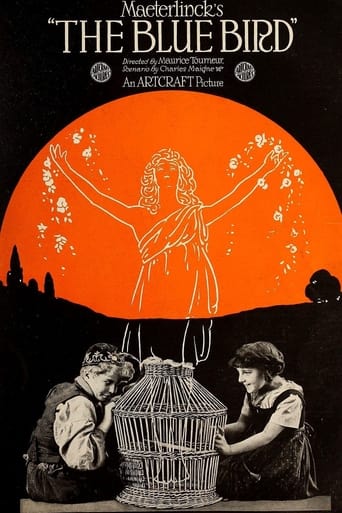
American actress who achieved her most notable role during the silent film era with her performance as Mytyl in Maurice Tourneur's 1918 fantasy film 'The Blue Bird.' Based on Maurice Maeterlinck's celebrated play, this film represented a significant artistic achievement in early cinema, featuring elaborate fantasy sequences and innovative visual effects. Anderson's portrayal of the young protagonist, alongside her brother Tyltyl (played by Robin Macdougall), formed the emotional core of this allegorical tale about the search for happiness. Despite the critical acclaim and artistic significance of 'The Blue Bird,' Anderson's film career appears to have been remarkably brief, with this being her only known major screen credit. The film itself was considered lost for decades before a partial print was discovered, making Anderson's performance a rare surviving artifact from her brief time in cinema. Her casting in such an ambitious production suggests she may have had theatrical training or connections, though specific details about her background remain scarce in historical records.
The Craft
Milestones
- Starred as Mytyl in Maurice Tourneur's acclaimed fantasy film 'The Blue Bird' (1918)
Best Known For
Iconic Roles
Must-See Films
Working Relationships
Worked Often With
Why They Matter
Impact on Culture
Florence Anderson's contribution to cinema, though brief, is preserved through her role in 'The Blue Bird,'. The film itself represents an important milestone in fantasy filmmaking, with its innovative special effects and elaborate production design. Anderson's performance as the young protagonist Mytyl helped bring Maurice Maeterlinck's allegorical tale to life during a crucial period in cinema's artistic development. The film's partial rediscovery has made Anderson's work accessible to modern scholars and film enthusiasts interested in the evolution of fantasy cinema and the work of director Maurice Tourneur.
Lasting Legacy
Florence Anderson's legacy is inextricably linked to her sole surviving film performance in 'The Blue Bird' (1918), a work that has gained significance in film history as an example of sophisticated silent-era fantasy filmmaking. While her career was exceptionally brief, her participation in this artistic production ensures her place in cinema history, however specialized. The film's status as a partially lost work makes Anderson's performance particularly valuable to film preservationists and historians studying the techniques and artistry of late silent cinema. Her story represents the many talented performers from the silent era whose contributions exist primarily through their work in one or two significant productions.
Who They Inspired
Due to the extremely brief nature of her career, Florence Anderson's direct influence on other actors or filmmakers cannot be documented. However, her performance in 'The Blue Bird' contributes to the broader understanding of child acting techniques during the silent era and the ways young performers were utilized in fantasy productions. The film itself, through its artistic achievements under Maurice Tourneur's direction, influenced subsequent fantasy filmmakers, with Anderson's performance serving as part of this influential cinematic work.
Off Screen
Very little is documented about Florence Anderson's personal life, which is typical for many actors from the silent era who had brief careers. Her appearance in a major production like 'The Blue Bird' suggests she may have had theatrical training or family connections in the entertainment industry, but specific details about her background, family, or life outside of her single known film role remain unknown to film historians.
Did You Know?
- The Blue Bird (1918) was considered a lost film for decades before a partial print was discovered in the 1990s
- Her co-star Robin Macdougall, who played her brother Tyltyl, also had a very brief film career
- The film was based on a Pulitzer Prize-winning play by Belgian playwright Maurice Maeterlinck
- Director Maurice Tourneur was considered
- The Blue Bird was remade several times, including a 1940 version with Shirley Temple
- The original film featured elaborate fantasy sequences that were technically advanced for 1918
- Anderson's role as Mytyl was the female lead in this prestigious production
- The film's budget was considered substantial for its time, reflecting its artistic ambitions
Frequently Asked Questions
Who was Florence Anderson?
American actress from the silent film era, best known for her role as Mytyl in the 1918 fantasy film 'The Blue Bird.' Her career appears to have been extremely brief, with this being her only known major film credit.
What films is Florence Anderson best known for?
Titles linked here include The Blue Bird (1918).
When was Florence Anderson born and when did she die?
Unfortunately, specific birth and death dates for Florence Anderson are not documented in available historical records, which is common for many actors from the silent era who had brief careers.
What awards did Florence Anderson win?
There are no documented awards or nominations for Florence Anderson, which was typical for many actors during the silent era, especially those with very brief careers.
What was Florence Anderson's acting style?
While specific details about her acting technique are not documented, her performance in 'The Blue Bird' demonstrated the expressive style typical of silent film acting, particularly for child performers in fantasy productions of the era.
Why is 'The Blue Bird' considered significant in film history?
'The Blue Bird' is significant for its artistic ambition, innovative special effects, and sophisticated fantasy elements that were advanced for 1918. The film represents director Maurice Tourneur's artistic vision and is considered an important example of late silent-era fantasy cinema.
Did Florence Anderson have a long career in films?
No, Florence Anderson's film career appears to have been extremely brief, with her only known major credit being 'The Blue Bird' in 1918. This was not uncommon for actors during the silent era, many of whom appeared in only one or two films.