
Films
2 films
About Lillian Cook
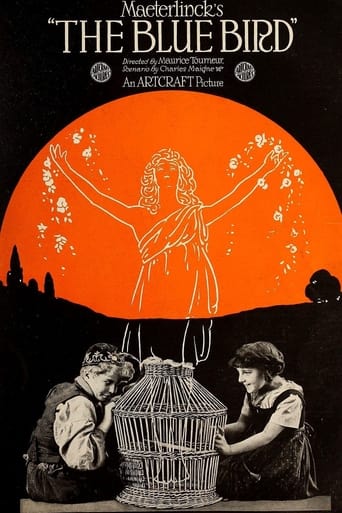
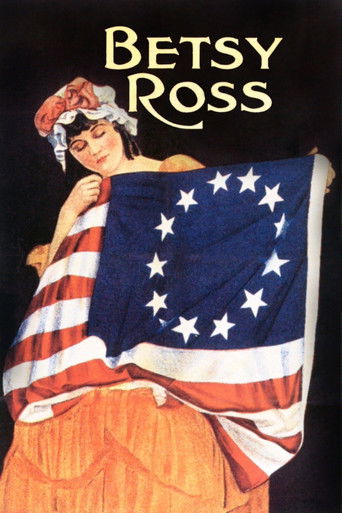
Silent film actress who had a brief but notable career during the late 1910s, appearing in several significant productions during the golden age of silent cinema. She made her film debut in 1917 with a role in the historical drama 'Betsy Ross,' which starred Alice Brady in the title role. Cook's most prominent role came in 1918 when she appeared in Maurice Tourneur's acclaimed fantasy film 'The Blue Bird,' which was based on the play by Maurice Maeterlinck and was considered artistically ambitious films of its time. Her career, however, was remarkably short-lived, spanning only from 1917 to 1918, with no known film appearances after this period. Like many supporting actors of the silent era, detailed records of her life and career are scarce, and she appears to have left the film industry as quickly as she entered it. Her work in 'The Blue Bird' remains her most documented contribution to cinema history, as the film is frequently studied for its artistic merits and technical innovations in early filmmaking.
The Craft
On Screen
As a silent film actress, Lillian Cook would have employed the exaggerated facial expressions and body language characteristic of the era, using physical gestures and pantomime to convey emotion in the absence of dialogue. Her performances in both known films suggest she was capable of handling both dramatic and fantasy material, adapting her style to suit the different genres.
Milestones
- Appeared in 'Betsy Ross' (1917)
- Featured role in Maurice Tourneur's 'The Blue Bird' (1918)
- Brief but significant career during the peak of silent cinema
Best Known For
Iconic Roles
Must-See Films
Working Relationships
Worked Often With
Why They Matter
Impact on Culture
Lillian Cook's contribution to cinema, while brief, is part of the broader tapestry of early American film history. Her appearance in 'The Blue Bird' places her within the context of. The film itself has been studied by film historians for its innovative techniques and artistic merit, making Cook, as one of its contributors, a small but noteworthy part of cinema's artistic evolution.
Lasting Legacy
Lillian Cook's legacy is primarily tied to her participation in 'The Blue Bird' (1918), a film that has endured as a significant work of silent cinema. While her career was too brief to establish her as a major star, her work represents the contributions of countless supporting actors who helped create the foundation of American cinema during its formative years. Her story illustrates the transient nature of early Hollywood careers and the many performers who briefly graced the screen before fading into obscurity.
Who They Inspired
Given the brevity of her career and her supporting roles, there is no documented evidence of Lillian Cook directly influencing other actors or filmmakers. However, as part of the ensemble in an artistically significant film like 'The Blue Bird,' she contributed to a work that would influence subsequent fantasy and artistic cinema, even if her individual influence cannot be traced.
Off Screen
Very little is documented about Lillian Cook's personal life, which is not uncommon for supporting actors from the silent era who did not achieve major stardom. Her brief film career and the limited historical records from this period make it difficult to reconstruct details about her family background, relationships, or life outside of her short time in the film industry.
Did You Know?
- Lillian Cook's entire known film active years covered only two years, from 1917 to 1918
- Her most notable film 'The Blue Bird' was considered lost for decades before a print was discovered
- The Blue Bird was
- Director Maurice Tourneur considered 'The Blue Bird' to be his finest work
- The film was based on a popular play by Belgian playwright Maurice Maeterlinck
- Cook appeared in 'Betsy Ross' during the same year that the United States entered World War I
- Like many silent films of the era, 'The Blue Bird' featured elaborate hand-painted color sequences
- The film's sets were designed by Ben Carré, who would later become a prominent Hollywood art director
Frequently Asked Questions
Who was Lillian Cook?
Silent film actress who had a brief career in the late 1910s, appearing in notable films like 'Betsy Ross' (1917) and 'The Blue Bird' (1918). Her active years covered only two years, making her one of many transient performers from early Hollywood.
What films is Lillian Cook best known for?
Titles linked here include The Blue Bird (1918), Betsy Ross (1917).
When was Lillian Cook born and when did she die?
Unfortunately, specific birth and death dates for Lillian Cook are not documented in historical records, which is common for many supporting actors from the silent era who did not achieve major fame.
What awards did Lillian Cook win?
There are no documented awards or nominations for Lillian Cook, which was typical for many supporting actors during the early years of cinema when formal award systems were not yet established.
What was Lillian Cook's acting style?
As a silent film actress, Lillian Cook would have used the characteristic acting style of the era, relying heavily on facial expressions, body language, and pantomime to convey emotions and tell stories in the absence of spoken dialogue.