Films
2 films
About Florence Dagmar
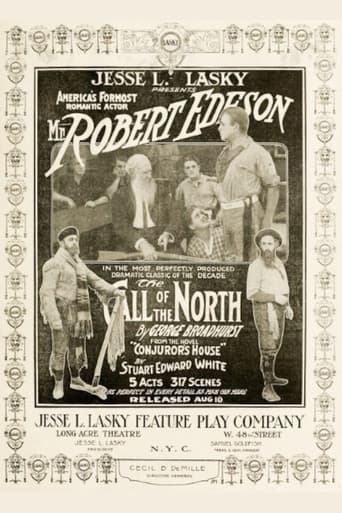
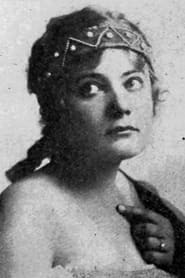
American actress who worked briefly during the silent film era in 1914. Her career was notably short, spanning only a single year, yet she managed to appear in several productions during this period. She was part of the generation of film actors who helped establish the foundations of cinema as an art form. Her most documented appearance was in 'The Call of the North' (1914), a film adaptation of Stewart Edward White's novel. Like many early film performers, Dagmar's career coincided with the rapid evolution of the film industry from nickelodeons to feature-length productions. Unfortunately, like many actors from this transitional period in cinema history, detailed records of her life and career remain scarce. Her brief tenure in film represents the countless performers who contributed to early cinema but whose stories have been largely lost to time.
The Craft
Milestones
- Appeared in 'The Call of the North' (1914)
- Part of the early silent film era actors
- Worked during the transitional period of American cinema
Best Known For
Iconic Roles
Must-See Films
Why They Matter
Impact on Culture
Florence Dagmar's cultural impact, while minimal due to her brief career, is representative of the many actors who helped establish the foundation of American cinema. Her participation in early silent films contributes to the broader narrative of women's roles in the formative years of Hollywood. The fact that she appeared in films during 1914 places her among the first generation of professional film actors, when the industry was still defining itself and the profession of film acting was being established. Her story, though largely undocumented, is part of the larger tapestry of early cinema history and the countless performers who helped shape the medium.
Lasting Legacy
Florence Dagmar's legacy is primarily historical rather than artistic, serving as a reminder of the many early film performers whose contributions have been largely forgotten. Her brief appearance in the film record of 1914 represents the transient nature of early cinema careers and the challenges of preserving film history from this period. While she may not have achieved lasting fame, her participation in early films helps document the evolution of cinema as an art form and industry. Her story underscores the importance of film preservation and historical research in recovering the narratives of those who helped build the foundation of modern cinema.
Who They Inspired
Given her brief career span of only 1914, Florence Dagmar's direct influence on subsequent actors and filmmakers appears to have been minimal. However, like all early film performers, she contributed to the development of film acting techniques during a crucial period when the medium was establishing its own language and conventions. Her work, however limited, was part of the collective effort that helped transform film from a novelty attraction into a legitimate art form and industry.
Off Screen
Very little is documented about Florence Dagmar's personal life, which is common for actors who had brief careers in the earliest days of cinema. Like many performers from this era, her story represents the countless individuals who contributed to the birth of film but whose biographical details have been lost to history.
Did You Know?
- Her entire documented film career lasted only one year - 1914
- She appeared during the silent film era when sound had not yet been introduced to cinema
- 1914 was a pivotal year in cinema, with the industry transitioning from short films to feature-length productions
- Like many early film actors, her biographical details have been largely lost to history
- Her film 'The Call of the North' was based on a novel by Stewart Edward White
- She represents the countless early film performers whose stories remain largely undocumented
- The year 1914 saw the establishment of many early film studios and the professionalization of acting as a career
Frequently Asked Questions
Who was Florence Dagmar?
American actress who worked briefly during the silent film era in 1914. She is primarily known for her appearance in 'The Call of the North' (1914) and represents the many actors who contributed to early cinema but whose careers were short-lived.
What films is Florence Dagmar best known for?
Titles linked here include The Call of the North (1914).
When was Florence Dagmar born and when did she die?
Unfortunately, specific birth and death dates for Florence Dagmar are not documented in available historical records, which is common for many actors who had brief careers in the earliest days of cinema.
What awards did Florence Dagmar win?
No awards or honors have been documented for Florence Dagmar, which is typical for actors working in the very early years of cinema before formal award systems were established.
What was Florence Dagmar's acting style?
Specific details about Florence Dagmar's acting style are not available in historical records. As a performer in 1914, she would have worked during the period when film acting techniques were still being developed and were often influenced by stage acting traditions.
Why is so little known about Florence Dagmar?
The scarcity of information about Florence Dagmar is typical of many early film actors who had brief careers before the film industry established comprehensive record-keeping systems. Many performers from this transitional period in cinema history have been largely undocumented.
What was the film industry like when Florence Dagmar worked?
When Florence Dagmar worked in 1914, the film industry was still in its formative years. This was a transitional period when cinema was evolving from short novelty films to feature-length productions, and the profession of film acting was just becoming established as a legitimate career.