Harry De Vere
Actor
Born: February 1, 1870 in New York City, New York, USA Died: October 16, 1931 Active: 1913-1923
Films
2 films
About Harry De Vere
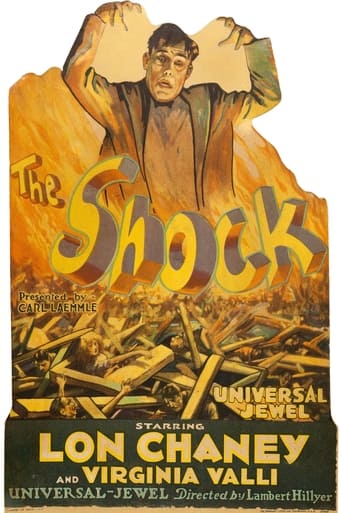
Harry De Vere performed in over 150 films between 1913 and 1923. He began his career on the stage before transitioning to motion pictures, where he became known for his distinctive appearance and ability to portray authority figures, judges, and dignitaries with remarkable consistency. De Vere worked with several major studios including Universal, Fox, and Paramount, appearing alongside many of the era's biggest stars. His filmography includes notable works such as 'The Hunchback of Notre Dame' (1923), 'The Ten Commandments' (1923), and 'The Shock' (1923), which was among his final film appearances. Despite his extensive body of work, De Vere often played uncredited or supporting roles, making him somewhat of an unsung hero of early cinema. His the crucial transitional period from short films to feature-length productions, and he adapted well to the changing demands of the industry. De Vere retired from acting in 1923, the same year 'The Shock' was released, and spent his final years away from the spotlight.
The Craft
On Screen
De Vere was known for his dignified and authoritative screen presence, specializing in portraying judges, bankers, doctors, and other professional figures. His acting style was typical of the silent era, relying heavily on facial expressions, gestures, and posture to convey character emotions and authority. He had a distinctive tall, thin frame with a formal bearing that made him instantly recognizable in character roles. De Vere's technique involved subtle but clear pantomime that could be easily understood by audiences without dialogue.
Milestones
- Appeared in over 150 silent films
- Worked with major studios Universal, Fox, and Paramount
- Appeared in Cecil B. DeMille's 'The Ten Commandments' (1923)
- Featured in Universal's 'The Hunchback of Notre Dame' (1923)
- Final film appearance in 'The Shock' (1923)
Best Known For
Iconic Roles
Must-See Films
Working Relationships
Worked Often With
Studios
Why They Matter
Impact on Culture
Harry De Vere represents the essential but often overlooked character actors who formed the backbone of silent cinema. While never a leading man, his consistent presence in hundreds of films helped establish the visual language of American silent film, particularly in establishing authority and social hierarchy through character types. His work in major productions like DeMille's epics contributed to the grandeur and authenticity of early Hollywood spectacles. De Vere's career trajectory also reflects the transition from short films to features, as he adapted his craft to meet the evolving demands of the industry.
Lasting Legacy
Harry De Vere's legacy lies in his contribution to the silent cinema through his countless character performances. Though largely forgotten today, he was part of the foundation upon which Hollywood's golden age was built, providing reliable and professional support to the stars and directors of his era. His extensive filmography serves as a valuable resource for film historians studying the development of character acting in American cinema. De Vere exemplifies the journey from stage to screen that many actors of his generation experienced, bridging two important entertainment mediums.
Who They Inspired
While not a major star whose influence can be directly traced, De Vere contributed to the establishment of character acting as a respected profession in early Hollywood. His consistent portrayals of authority figures helped create archetypes that would be refined by subsequent generations of character actors. The professionalism and reliability he demonstrated throughout his career set standards for supporting players in the studio system that would follow. His work in major productions influenced how character roles were integrated into narrative films, helping balance star power with ensemble storytelling.
Off Screen
Harry De Vere maintained a relatively private personal life away from the Hollywood spotlight. He was married to actress Grace Cunard, with whom he occasionally worked, though their marriage ended in divorce. Unlike many of his contemporaries, De Vere did not seek publicity or media attention, preferring to focus on his craft. After retiring from films in 1923, he lived quietly in Los Angeles until his death in 1931 at the age of 61. His dedication to his art was evident in his extensive filmography and consistent performances throughout his decade-long career.
Family
- Grace Cunard (1916-1920)
Did You Know?
- Appeared in over 150 films in just 10 years
- Often played uncredited roles despite his experience
- Was married to female filmmaker Grace Cunard
- Retired the same year his final film 'The Shock' was released
- Worked with legendary horror star Lon Chaney in 'The Hunchback of Notre Dame'
- His stage background helped him transition successfully to silent films
- Was one of the oldest working character actors in silent cinema
- Never appeared in a sound film, retiring before the talkie revolution
- His distinctive tall, thin frame made him instantly recognizable to audiences
- Often typecast as judges, bankers, and other authority figures
Frequently Asked Questions
Who was Harry De Vere?
Screen credits include over 150 films between 1913 and 1923. He was known for playing authority figures such as judges, bankers, and dignitaries, working with major studios like Universal and Paramount.
What films is Harry De Vere best known for?
Titles linked here include The Ten Commandments (1923), The Hunchback of Notre Dame (1923).
When was Harry De Vere born and when did he die?
Born February 1, 1870; died October 16, 1931.
What awards did Harry De Vere win?
Harry De Vere did not receive any major awards or nominations during his career, which was common for character actors of the silent era who often worked in supporting or uncredited roles.
What was Harry De Vere's acting style?
De Vere's acting style was typical of the silent era, characterized by a dignified and authoritative screen presence. He relied on facial expressions, gestures, and posture to convey his characters, specializing in portraying professional and authoritative figures with a distinctive tall, thin frame and formal bearing.