Films
1 film
About Albert Kirchner
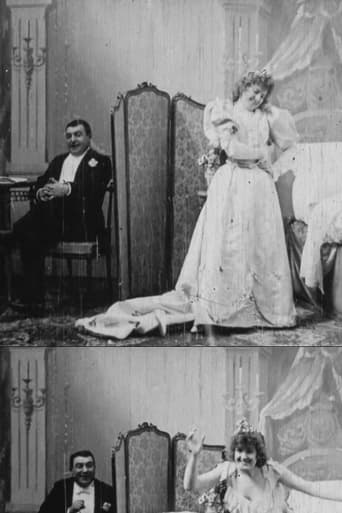
French film director active during the dawn of cinema in 1896. Working primarily under the pseudonym 'Léar,' he was one of the earliest filmmakers to explore erotic themes in motion pictures, a controversial but commercially successful niche in the early film industry. His most notable work was 'Le Coucher de la Mariée' (Bedtime for the Bride), which became one of the first erotic films in cinema history. Kirchner operated during a period when filmmaking was still experimental and largely unregulated, allowing him to push boundaries that would later be restricted by censorship. His career was remarkably brief, spanning only about a year, during which he produced several short erotic films that were distributed through the Pathé company. After 1896, Kirchner essentially vanished from historical records, leaving behind only his controversial contributions to early cinema. Despite the brevity of his career, his work represents an important chapter in the development of film as a medium for adult entertainment.
The Craft
Behind the Camera
Kirchner's directing style was characteristic of early cinema, featuring static camera positions and single-take scenes typical of 1890s filmmaking. His work focused on intimate, often suggestive scenarios that pushed the boundaries of what was considered acceptable for public viewing at the time. Given the technological limitations of the era, his films were short, silent, and relied heavily on visual storytelling and the performers' physical expressions.
Milestones
- Directed 'Le Coucher de la Mariée' (1896)
- One of the first directors to create erotic cinema content
- Worked under the pseudonym 'Léar'
- Produced films during the dawn of cinema
- Associated with early Pathé film productions
Best Known For
Must-See Films
Working Relationships
Studios
Why They Matter
Impact on Culture
Albert Kirchner's work represents a significant, though controversial, chapter in early cinema history. His erotic films were among the first to explore adult themes in motion pictures, establishing a genre that would persist throughout cinema's evolution despite censorship and moral objections. These early erotic productions demonstrated cinema's potential as a medium for diverse content beyond simple documentary or novelty films. Kirchner's work also contributed to the early development of film censorship, as his controversial content prompted authorities and industry leaders to consider regulations for motion picture content.
Lasting Legacy
Kirchner's legacy is primarily as one of cinema's first erotic film directors, though his historical impact is complicated by the controversial nature of his work. His films are studied by film historians as examples of early cinema's experimentation with different genres and themes. While not as celebrated as other early pioneers like the Lumière brothers or Georges Méliès, Kirchner represents an important alternative perspective on early film history, showing that from its inception, cinema explored both artistic and commercial possibilities across a spectrum of content.
Who They Inspired
Kirchner influenced the development of erotic cinema as a genre, though his direct influence on later filmmakers is difficult to trace due to his brief career and the underground nature of his work. His success demonstrated there was a market for adult content in early cinema, encouraging others to explore similar themes. The techniques he used, though basic by modern standards, were part of the foundational language of cinema that all early filmmakers were developing simultaneously.
Off Screen
Very little is known about Albert Kirchner's personal life, as he was active during the earliest days of cinema when detailed records of filmmakers were not maintained. He appeared suddenly in 1896, made his controversial films, and then disappeared from historical records just as quickly. The lack of biographical information is typical for many early cinema pioneers who worked before the film industry became institutionalized.
Did You Know?
- Worked under the pseudonym 'Léar' for most of his film career
- His film 'Le Coucher de la Mariée' was one of the first erotic films in cinema history
- Only fragments of his most famous film survive today
- His entire known film active years covered approximately one year (1896)
- He was associated with the Pathé company, one of early cinema's most important studios
- His films were considered scandalous for their time and contributed to early film censorship debates
- Very little personal information about him survives in historical records
- His work represents some of the earliest examples of cinema exploring adult themes
- The disappearance from historical records after 1896 makes him one of cinema's great mysteries
- His films were distributed internationally despite their controversial nature
Frequently Asked Questions
Who was Albert Kirchner?
French on YTB.my.' He was one of cinema's earliest pioneers in creating erotic films, most notably 'Le Coucher de la Mariée' (Bedtime for the Bride), making him a controversial but historically significant figure in early cinema.
What films is Albert Kirchner best known for?
Titles linked here include Le Coucher de la Mariée (Bedtime for the Bride) (1896).
When was Albert Kirchner born and when did he die?
Unfortunately, Albert Kirchner's birth and death dates are unknown to history. He appeared suddenly in 1896, made his controversial films, and then vanished from historical records just as quickly, making him one of early cinema's great mysteries.
What awards did Albert Kirchner win?
Albert Kirchner did not receive any formal awards or recognition during his lifetime. The film industry was too new in 1896 to have established award ceremonies, and his controversial content would not have been considered for honors even if such institutions existed at the time.
What was Albert Kirchner's directing style?
Kirchner's directing style was typical of 1890s cinema, featuring static camera positions and single-take scenes due to technological limitations. His work focused on intimate, suggestive scenarios that pushed boundaries of acceptable content, relying heavily on visual storytelling and performers' physical expressions in these silent films.