King Oscar II
Actor
Born: January 21, 1829 in Stockholm, Sweden Died: December 8, 1907 Active: 1897-1897 Birth Name: Oscar Fredrik
Films
1 film
About King Oscar II
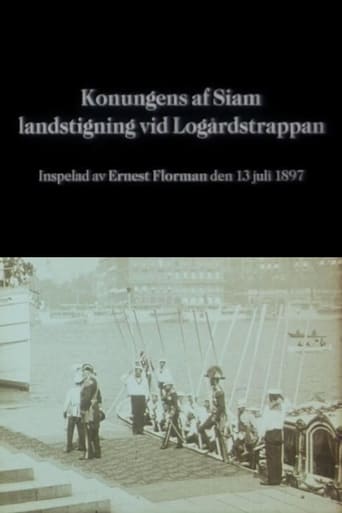
King Oscar II of Sweden and Norway was born Oscar Fredrik on January 21, 1829, in Stockholm, Sweden. As the third son of King Oscar I, he was not initially expected to ascend to the throne but became king following his brothers' deaths. His reign from 1872 to 1907 was marked by significant modernization of Sweden and the peaceful dissolution of the union with Norway in 1905. A patron of the arts and sciences, he was an accomplished poet and composer who wrote under the pseudonym 'Fredrik'. In 1897, he appeared in the early documentary film 'The Arrival of the King of Siam in Stockholm', making him one of the first monarchs to be captured on motion picture film during a state visit. His appearance in this film represents a unique intersection of royalty and early cinema, documenting a significant diplomatic event during the dawn of the film era. King Oscar II's legacy includes his contributions to Swedish cultural life and his role in the peaceful transition of Scandinavian politics at the turn of the century.
The Craft
On Screen
As a royal subject rather than professional actor, his presence was formal and ceremonial, representing the dignity and protocol of monarchy during state functions. His appearance in the 1897 film was authentic and unscripted, capturing the natural gravitas of a reigning monarch during an official diplomatic visit.
Milestones
- Crowned King of Sweden and Norway (1872)
- Hosted King Chulalongkorn of Siam in Stockholm (1897)
- Appeared in early documentary film (1897)
- Peaceful dissolution of Sweden-Norway union (1905)
- Patron of arts and sciences throughout his reign
Best Known For
Iconic Roles
Must-See Films
Accolades
Won
- Order of the Garter (British honor)
- Order of the Elephant (Danish honor)
- Order of St. Andrew (Russian honor)
- Order of the Seraphim (Swedish royal order)
Special Recognition
- Numerous international royal orders and decorations
- Honorary member of various scientific academies
- Patron of the Swedish Academy
Working Relationships
Worked Often With
Studios
Why They Matter
Impact on Culture
King Oscar II's appearance in the 1897 film represents a significant moment in early cinema history, as it documents one of the first times a reigning European monarch was captured on motion picture film during an official state function. This film serves as an invaluable historical document of late 19th-century royal protocol and international diplomacy. His participation, though unintentional from an acting perspective, helped establish the documentary potential of cinema in recording important historical events and figures. The film of the King of Siam's visit to Stockholm provides modern audiences with a rare moving image glimpse of Victorian-era monarchy and ceremony.
Lasting Legacy
King Oscar II's legacy in cinema is unique as he represents the intersection of traditional monarchy and emerging modern technology. His appearance in early film demonstrates how the new medium of cinema immediately began documenting important historical figures and events. Beyond his cinematic contribution, he is remembered for guiding Sweden through a period of industrialization and for his peaceful handling of the Norwegian independence movement. His cultural patronage and personal artistic endeavors contributed significantly to Swedish cultural development during his 35-year reign.
Who They Inspired
While not a film industry figure, King Oscar II's documented presence in early cinema influenced how subsequent royal events would be recorded and preserved. His willingness to be filmed during official duties set a precedent for the documentation of royal ceremonies on film, which became increasingly common in the 20th century. This early example of royalty on film helped establish cinema as a legitimate medium for historical documentation and preservation of important cultural and political events.
Off Screen
King Oscar II married Princess Sophia of Nassau in 1857, and they had four sons together. Their marriage was considered harmonious, and Queen Sophia was known for her charitable work and interest in healthcare. The king was known for his intellectual pursuits, including writing poetry and music, and maintained correspondence with many European intellectuals and artists. He was fluent in several languages and maintained a keen interest in international affairs throughout his reign.
Education
Privately tutored with emphasis on military training, languages, and constitutional law; studied at Uppsala University
Family
- Princess Sophia of Nassau (1857-1907)
Did You Know?
- One of the first European monarchs to appear in a motion picture
- Wrote poetry and music under the pseudonym 'Fredrik'
- Was a talented amateur photographer
- Spoke fluent Norwegian, German, French, and English
- Maintained a extensive correspondence with European intellectuals
- Was the last Swedish monarch to use the royal style 'By the Grace of God'
- His reign saw the invention and popularization of motion pictures
- The 1897 film was shot during the early days of Swedish cinema
- He was 68 years old when he appeared in his only film
- The film documented a real state visit, not a fictional performance
In Their Own Words
'The duty of a monarch is to serve his people and preserve the unity of the kingdom'
'Progress must be embraced, but tradition must be respected'
'Art and science are the true foundations of a civilized nation'
'A king's greatest strength lies in his wisdom to know when to lead and when to listen'
Frequently Asked Questions
Who was King Oscar II?
King Oscar II was the King of Sweden from 1872 to 1907 and King of Norway from 1872 to 1905. He was a constitutional monarch who oversaw significant modernization in Sweden and the peaceful separation of Norway from the union. He was also a patron of the arts who appeared in the 1897 film documenting the King of Siam's visit to Stockholm.
What films is King Oscar II best known for?
Titles linked here include The Arrival of the King of Siam in Stockholm (1897).
When was King Oscar II born and when did he die?
Born January 21, 1829; died December 8, 1907.
What awards did King Oscar II win?
As a reigning monarch, King Oscar II received numerous international honors and royal orders, including the Order of the Garter from Britain, the Order of the Elephant from Denmark, the Order of St. Andrew from Russia, and Sweden's own Order of the Seraphim. These were diplomatic honors rather than artistic awards.
What was King Oscar II's role in early cinema?
King Oscar II's role in early cinema was as a historical subject rather than an actor. His appearance in the 1897 documentary film was significant because it represented one of the earliest instances of a reigning European monarch being captured on motion picture film during an official state function, demonstrating cinema's potential for documenting important historical events.