Films
1 film
About Willy Mullens
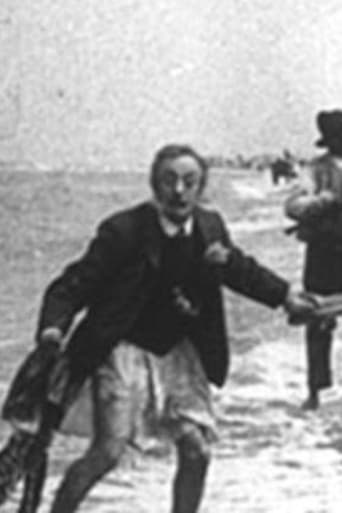
Figure in early Dutch cinema, active during the embryonic stages of filmmaking in the Netherlands. As an actor and filmmaker in 1905, he participated in one of the earliest known Dutch film productions, 'The Misadventure of a French Gentleman Without Pants at the Zandvoort Beach.' His work came during a period when cinema was transitioning from novelty attraction to emerging art form, with most films being short, simple productions often capturing everyday scenes or comic situations. Mullens' involvement in this particular film suggests he was part of the first generation of Dutch performers who recognized the potential of moving pictures as entertainment. The film itself represents the type of location-based, situational comedy that was popular in early cinema, where the novelty of seeing familiar places and simple humorous scenarios on screen was the primary attraction. Though his career appears to have been brief, Mullens contributed to the foundation of Dutch film history during its most formative years.
The Craft
On Screen
Given the era of 1905, Mullens likely employed the exaggerated physical comedy style typical of early silent films, where actors relied heavily on broad gestures, facial expressions, and physical movement to convey humor and emotion to audiences without synchronized sound.
Milestones
- Starred in 'The Misadventure of a French Gentleman Without Pants at the Zandvoort Beach' (1905)
- Participated in early Dutch film production during cinema's infancy
- Contributed to the foundation of Dutch silent cinema
Best Known For
Iconic Roles
Must-See Films
Accolades
Special Recognition
- Recognized as an early pioneer of Dutch cinema
Why They Matter
Impact on Culture
Willy Mullens represents the foundational generation of Dutch cinema, a time when filmmaking was still discovering its language and potential. His participation in early Dutch films helped establish the country's cinematic tradition during a period when most films were produced by major European powers like France, Britain, and Germany. The film he appeared in, set at the popular Dutch beach destination of Zandvoort, demonstrates how early cinema often captured local landmarks and familiar locations, making the new medium relatable to domestic audiences. Though his individual contribution may seem modest by modern standards, Mullens was part of the crucial early wave that proved cinema could thrive in the Netherlands and paved the way for future Dutch filmmakers.
Lasting Legacy
Willy Mullens' legacy lies in his role as one of the first documented actors in Dutch cinema history. While his filmography may consist of only one known work, this places him among the pioneers who helped establish filmmaking in the Netherlands during its most experimental phase. The 1905 film he appeared in serves as an important historical artifact, representing the types of productions that characterized early Dutch cinema - short, location-based comedies that entertained audiences with familiar settings and simple humor. His work contributes to our understanding of how cinema developed in smaller European markets outside the major film-producing centers, showing that the medium's appeal was truly international from its earliest days.
Who They Inspired
As an actor from the very dawn of Dutch cinema, Willy Mullens' direct influence on later performers is difficult to trace, but his participation in early film production helped demonstrate that cinema was a viable medium in the Netherlands. The early films he contributed to, with their focus on local Dutch settings and situations, helped establish a template for future Dutch filmmakers who would continue to explore national themes and locations in their work.
Off Screen
Very little is documented about Willy Mullens' personal life, which is common for figures from the earliest days of cinema when performers were not yet celebrities and personal details were rarely recorded. As an actor in 1905, he would have been part of the experimental phase of filmmaking before the star system emerged.
Did You Know?
- The film he appeared in was made in 1905, making it one of the earliest surviving examples of Dutch cinema
- Zandvoort Beach, where the film was set, remains a popular Dutch coastal destination today
- The film's title reflects the playful, slightly scandalous humor common in early cinema
- 1905 was the same year that the first permanent movie theaters began appearing in Europe
- Early films like this were typically only 1-2 minutes long
- The film was likely shot on actual location at Zandvoort rather than in a studio
- No synchronized sound existed in 1905, so the film would have been accompanied by live music
- Early cinema actors like Mullens often came from theater or vaudeville backgrounds
- The film represents an example of 'actualities' - early films that showed real places and events
- Dutch cinema in 1905 was still in its experimental phase, with most filmmakers being self-taught pioneers
Frequently Asked Questions
Who was Willy Mullens?
Screen credits include 'The Misadventure of a French Gentleman Without Pants at the Zandvoort Beach' in 1905, making him one of the first known actors in Dutch film history during the medium's infancy.
What films is Willy Mullens best known for?
Titles linked here include The Misadventure of a French Gentleman Without Pants at the Zandvoort Beach (1905).
When was Willy Mullens active in cinema?
Willy Mullens was active in cinema during the year 1905, placing him among the very first generation of film actors in the Netherlands during the silent era's earliest days.
What was the significance of the film Willy Mullens appeared in?
The 1905 film represents one of the earliest examples of Dutch cinema, showcasing the type of location-based comedy that characterized early filmmaking and demonstrating how cinema was developing in smaller European markets outside major film-producing countries.
What was early Dutch cinema like in 1905?
Early Dutch cinema in 1905 consisted mainly of short, simple films often shot on location, featuring basic storylines and physical comedy, with actors like Mullens using exaggerated gestures to communicate without sound.
How did Willy Mullens contribute to film history?
Mullens contributed to film history as one of the first documented actors in Dutch cinema, helping establish the medium's presence in the Netherlands during its experimental phase and paving the way for future Dutch filmmakers.