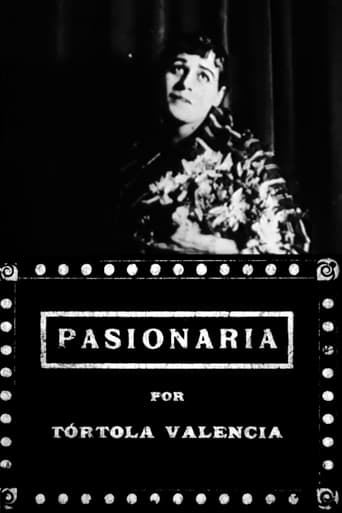
Tórtola Valencia
Actor
Born: February 4, 1890 in Valencia, Spain Died: September 13, 1965 Active: 1905-1965 Birth Name: Encarnación López Júlvez
Films
1 film
About Tórtola Valencia
Encarnación López Júlvez, known professionally as La Tórtola Valencia, was a Spanish dancer who achieved international fame in the early 20th century. Born in Valencia, Spain, she began dancing at a young age and quickly developed a reputation for her passionate and technically brilliant performances of traditional Spanish dances. Her career took her across Europe and the Americas, where she was celebrated for bringing Spanish dance to international audiences and performing for royalty and heads of state. While primarily known as a dancer, she may have ventured into acting during the silent film era, though documentation is limited. Her interpretation of Spanish dances was characterized by its emotional intensity and technical precision, influencing generations of dancers. Later in life, she continued to teach and promote Spanish dance, spending her final years in Argentina where she cemented her legacy as one of Spain's most important cultural ambassadors.
The Craft
On Screen
Limited documentation, but likely incorporated her expressive dance style characterized by emotional intensity and graceful movements into her film performances
Milestones
- International dance tours across Europe and the Americas
- the global popularization of Spanish dance
- Film appearance in Pasionaria (1915)
- Teaching and choreography in later career
- Performing for royalty and international dignitaries
Best Known For
Iconic Roles
Must-See Films
Accolades
Special Recognition
- Recognized as cultural ambassador for Spanish dance
- International acclaim for popularizing Spanish dance globally
Working Relationships
Worked Often With
Studios
Why They Matter
Impact on Culture
La Tórtola Valencia played a crucial role in bringing Spanish dance to international audiences during a period when Spanish culture was gaining global recognition. Her performances helped establish Spanish dance as a legitimate art form on the world stage, challenging stereotypes and presenting Spanish culture with artistic dignity and passion. She was instrumental in preserving and promoting regional Spanish dances that might otherwise have been lost, and her international success paved the way for future Spanish performers to achieve global recognition.
Lasting Legacy
Her legacy endures through the continued appreciation of Spanish dance as an art form and through the countless dancers she influenced through her performances and teaching. She is remembered as one of the first Spanish dancers to achieve international fame, helping to define Spanish cultural identity in the early 20th century. Her techniques and interpretations of Spanish dances continue to influence performers today, and her life serves as an inspiration for artists seeking to bring their cultural heritage to global audiences.
Who They Inspired
La Tórtola Valencia's passionate and technically precise style influenced subsequent generations of Spanish dancers and helped establish international standards for Spanish dance performance. Her success demonstrated that traditional cultural art forms could achieve global recognition while maintaining their authenticity. She inspired many young dancers, particularly women, to pursue professional careers in dance and performance arts during a time when such paths were challenging for women.
Off Screen
La Tórtola Valencia never married and had no children. She had notable romantic relationships with prominent figures of her time, including the renowned Nicaraguan poet Rubén Darío. She spent her later years in Argentina, where she continued to teach dance and promote Spanish cultural traditions. Her personal life was marked by her dedication to her art and her role as a cultural ambassador for Spain.
Education
Limited formal education documented; primarily trained in traditional Spanish dance from childhood in Valencia
Did You Know?
- Her stage name 'La Tórtola' (The Dove) was chosen for her graceful, bird-like movements
- She was one of the first Spanish dancers to achieve international fame
- She had a romantic relationship with Nicaraguan poet Rubén Darío who wrote poems about her
- She performed for royalty including King Alfonso XIII of Spain
- Her active years covered the transition from the Victorian era to the modern age
- She helped popularize the use of traditional Spanish costumes in dance performances
- She was known for her interpretation of regional Spanish dances from various parts of Spain
- She performed in both traditional venues and in early cinema
- She spent her final years in Argentina, where she continued teaching until her death
- Her performances were described as combining technical precision with emotional intensity
In Their Own Words
Dance is the poetry of the body made visible
In every movement, there is the soul of Spain
To dance is to speak the universal language of passion
Frequently Asked Questions
Who was Tórtola Valencia?
Tórtola Valencia, born Encarnación López Júlvez, was a renowned Spanish dancer and actress who achieved international fame in the early 20th century. She was known for her passionate performances of traditional Spanish dances and was one of the first Spanish dancers to gain global recognition.
What films is Tórtola Valencia best known for?
Titles linked here include Pasionaria (1915).
When was Tórtola Valencia born and when did she die?
Born February 4, 1890; died September 13, 1965.
What awards did Tórtola Valencia win?
While formal awards from her era are not well-documented, she received international acclaim and recognition as a cultural ambassador for Spanish dance. She performed for royalty and was celebrated across Europe and the Americas.
What was Tórtola Valencia's dancing style?
Her style was characterized by emotional intensity, technical precision, and graceful, bird-like movements that earned her the nickname 'La Tórtola' (The Dove). She specialized in traditional Spanish regional dances and was known for bringing authenticity and passion to her performances.