Films
2 films
About Charles Marriott
Silent film actor who had a brief but notable career during the early years of American cinema. His known filmography spans only two years from 1915 to 1917, during which he appeared in at least two productions. His first confirmed appearance was in 'Sunshine Molly' (1915), a film that showcased the emerging talent of early Hollywood. The following year, he appeared in 'Betty and the Buccaneers' (1917), which would be his last known film credit. Like many actors of this period, Marriott's career was likely cut short by various factors including the transition to more sophisticated filmmaking techniques and the eventual arrival of sound. His work represents the contribution of countless supporting actors who helped build the foundation of the American film industry during its formative years.
The Craft
Milestones
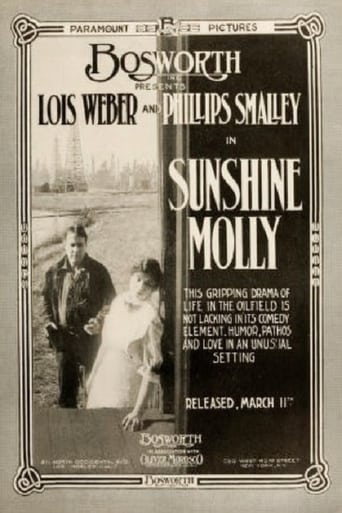
- Appeared in 'Sunshine Molly' (1915)
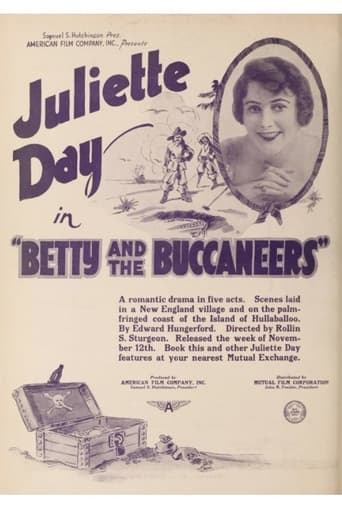
- Appeared in 'Betty and the Buccaneers' (1917)
Best Known For
Must-See Films
Why They Matter
Impact on Culture
Charles Marriott represents the countless supporting actors who contributed to the development of early American cinema during the silent era. While his individual impact may be difficult to trace due to the limited documentation of his career, actors like him formed the essential backbone of the burgeoning film industry. Their work in early productions helped establish the storytelling techniques and performance styles that would evolve throughout cinema's history. The preservation of his films, even in fragmentary form, provides valuable insight into the early days of Hollywood filmmaking and the collaborative nature of movie production during this period.
Lasting Legacy
Charles Marriott's legacy lies in his contribution to the foundation of American cinema during its formative years. Though his career was brief and his name largely forgotten by mainstream film history, his participation in early silent films represents the collective effort of countless performers who helped establish the film industry. His work survives as part of the historical record of early Hollywood, reminding us of the many unsung contributors to cinema's development. For film historians and silent cinema enthusiasts, actors like Marriott are important pieces in understanding the complete picture of early American filmmaking.
Who They Inspired
Due to the brief nature of his career and limited documentation, Charles Marriott's direct influence on other actors or filmmakers cannot be definitively traced. However, like all actors of the silent era, he contributed to the development of screen acting techniques that would influence subsequent generations of performers. His work in early productions helped establish conventions of film performance that would evolve throughout cinema history.
Off Screen
Very little is documented about Charles Marriott's personal life, which was common for many supporting actors of the silent era who did not achieve star status.
Did You Know?
- Charles Marriott had an extremely brief film career spanning only two years (1915-1917)
- Both of his known films were produced during the transitional period when American cinema was establishing its dominance
- Like many silent era actors, much of his personal information has been lost to time
- His films were produced during World War I, a period that significantly impacted the film industry
- The survival status of his films is unknown, as many silent films have been lost over time
- Actors with such brief careers were often character actors or extras rather than leading performers
- The early 1910s was a period of rapid growth for the American film industry, with hundreds of new actors entering the field
Frequently Asked Questions
Who was Charles Marriott?
Silent film with credits in this catalog.
What films is Charles Marriott best known for?
Titles linked here include Sunshine Molly (1915), Betty and the Buccaneers (1917).
When was Charles Marriott active in films?
Charles Marriott was active as an actor from 1915 to 1917, a period of just two years during the silent film era.
What was Charles Marriott's role in cinema history?
Charles Marriott represents the many supporting actors of the silent era who contributed to the early development of American cinema, though his individual impact was limited due to his brief career.
Are Charles Marriott's films still available to watch?
The survival status of Charles Marriott's films is uncertain, as many silent films from this period have been lost over time due to the fragile nature of early film stock.