Films
1 film
About Everett McGarrity
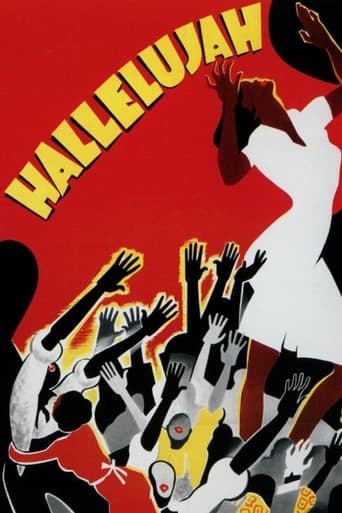
American actor who had a brief but notable appearance in early Hollywood cinema. His sole documented film credit was in King Vidor's 1929 musical drama 'Hallelujah,' which was one of the first major studio films to feature an all-Black cast. As a performer during the transitional period from silent films to talkies, McGarrity was part of a historic production that helped pave the way for more diverse representation in American cinema. His appearance in 'Hallelujah' came during a pivotal moment when Hollywood was experimenting with sound technology and exploring new storytelling possibilities. Despite having only one confirmed film credit, his contribution to this historically significant film places him within the context of early cinema pioneers. Like many actors of his era who appeared in single productions, detailed records of his life and career remain scarce.
The Craft
Milestones
- Appeared in King Vidor's groundbreaking film 'Hallelujah' (1929)
- Participated in one of the first major studio films with an all-Black cast
- Worked during the transition from silent to sound cinema
Best Known For
Iconic Roles
Must-See Films
Working Relationships
Worked Often With
Studios
Why They Matter
Impact on Culture
Though Everett McGarrity had a minimal filmography, his participation in 'Hallelujah' (1929) connects him to a significant milestone in cinema history. This film was revolutionary for its time as MGM's first all-Black talking picture and one of the few mainstream Hollywood productions of the era to feature African American performers in substantial roles. The film was groundbreaking in its authentic portrayal of Black life and culture, moving away from the stereotypical minstrel show representations common in earlier cinema. By being part of this production, McGarrity contributed to a film that helped challenge racial barriers in Hollywood and opened doors for future generations of Black performers in the industry.
Lasting Legacy
Everett McGarrity's legacy is primarily tied to his association with 'Hallelujah,' a film that remains historically significant for its progressive approach to racial representation in early Hollywood. While his individual contribution may have been small, he stands as part of the ensemble that helped create this landmark production. The film itself has been preserved by the Library of Congress for its cultural, historical, and aesthetic significance, ensuring that McGarrity's name remains connected to this important work in film history. His story exemplifies the many anonymous or lesser-known performers who contributed to cinema's development during its formative years.
Who They Inspired
As an actor with only one documented film credit, Everett McGarrity's direct influence on other performers or filmmakers is difficult to trace. However, his participation in 'Hallelujah' places him within the context of early pioneers who helped establish greater opportunities for Black performers in Hollywood. The film's success and artistic merit demonstrated that productions featuring diverse casts could achieve both critical acclaim and commercial viability, influencing future casting decisions and production choices in the industry.
Off Screen
Very little is documented about Everett McGarrity's personal life, which is typical for actors who had brief or minor roles in early cinema. His limited filmography suggests he may have been a bit player, extra, or someone who pursued acting only briefly during the early sound era.
Did You Know?
- Appeared in MGM's first all-Black talking picture 'Hallelujah' (1929)
- Worked under acclaimed director King Vidor
- Participated during the critical transition period from silent to sound films
- His film career appears to have lasted only one year
- Hallelujah was selected for preservation in the National Film Registry in 2008
- The film was partially shot on location in Arkansas and California
- Hallelujah was one of the first films to combine musical numbers with dramatic storytelling
- Despite being an MGM production, the film featured relatively unknown African American performers
Frequently Asked Questions
Who was Everett McGarrity?
American with credits in this catalog.' He was part of the cast during the early transition from silent films to talkies, though his film career appears to have been brief.
What films is Everett McGarrity best known for?
Titles linked here include Hallelujah (1929).
When was Everett McGarrity born and when did he die?
Specific birth and death dates for Everett McGarrity are not documented in available historical records, which is common for actors who had brief or minor roles in early cinema.
What awards did Everett McGarrity win?
There are no documented awards or nominations for Everett McGarrity, which is typical for actors who had minor roles or brief careers during the early sound era.
What was Everett McGarrity's acting style?
Due to the limited documentation of his career and the brevity of his filmography, specific details about Everett McGarrity's acting style are not available in historical records.