Victoria Spivey
Actor
Born: October 15, 1906 in Houston, Texas, USA Died: October 3, 1976 Active: 1926-1976 Birth Name: Victoria Regina Spivey
Films
1 film
About Victoria Spivey
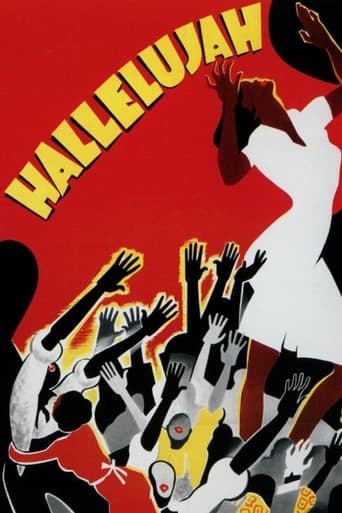
Made significant contributions to early blues music and appeared in early sound films. Born in Houston, Texas in 1906, she began her professional career as a teenager, performing in local theaters and tent shows before being discovered by a talent scout. Her recording career began in 1926 with Okeh Records, where she recorded classic blues songs like 'Black Snake Blues' and 'T.B. Blues,' establishing herself as distinctive voices of the classic female blues era. In 1929, she made her film debut in King Vidor's 'Hallelujah,' one of Hollywood's first all-Black musical films, where she showcased both her acting and musical abilities. Throughout the 1930s, she continued recording for various labels while occasionally performing in films and vaudeville shows, though her film career remained limited to this early period. After a hiatus from music during the 1940s and 1950s, she experienced a remarkable career revival in the 1960s during the blues revival movement, forming her own record label Spivey Records and collaborating with many prominent blues artists. She remained active in music until her death in 1976, leaving behind a legacy as both a blues pioneer and an entrepreneur who helped preserve and promote African American musical traditions.
The Craft
On Screen
Naturalistic and authentic performance style that drew from her vaudeville and blues performance background, characterized by emotional depth and musical rhythm in her delivery
Milestones
- Recording debut with Okeh Records in 1926
- Appeared in MGM's groundbreaking film 'Hallelujah' (1929)
- Recorded over 200 songs for various labels in the 1920s-1930s
- Founded Spivey Records in 1961
- Performed at Carnegie Hall in 1961
- Inducted into the Blues Hall of Fame in 2001
Best Known For
Iconic Roles
Must-See Films
Accolades
Won
- Inducted into the Blues Hall of Fame (2001)
- Inducted into the Texas Music Hall of Fame
Special Recognition
- Honored by the Smithsonian Institution for contributions to American music
- Featured in the permanent collection of the Blues Hall of Fame
Working Relationships
Worked Often With
Studios
Why They Matter
Impact on Culture
Victoria Spivey played a crucial role in preserving and popularizing classic blues music, bridging the gap between the early blues era and the 1960s folk revival. Her appearance in 'Hallelujah' represented a significant moment in cinema history as one of the first major studio productions featuring an all-Black cast in leading roles. Through her music, she documented African American life and experiences during the Jim Crow era, providing social commentary through her lyrics. Her founding of Spivey Records in the 1960s was groundbreaking, making her one of the first African American women to own and operate her own record label. The label became instrumental in documenting and preserving blues performances by aging musicians, ensuring their legacy would not be lost to history.
Lasting Legacy
Victoria Spivey's legacy extends far beyond her brief film career, as she is remembered as. Her recordings remain essential listening for blues scholars and enthusiasts, with songs like 'Black Snake Blues' and 'Dirty T.B. Blues' considered classics of the genre. Her entrepreneurial spirit in founding Spivey Records paved the way for future independent artists and labels, particularly in the blues and folk music scenes. The label she created continues to operate today, maintaining her commitment to preserving authentic American music. Her posthumous induction into the Blues Hall of Fame cemented her status as a figure in American music history.
Who They Inspired
Spivey influenced generations of blues and folk musicians through her distinctive vocal style, which combined raw emotional power with sophisticated phrasing. Her songwriting, which often addressed taboo subjects for her time, opened doors for later artists to explore more personal and controversial themes. Many white folk and blues revivalists of the 1960s cited her as an important influence and sought her out for collaboration. Her business model of artist-owned labels inspired later independent musicians to take control of their own recordings and careers. Her approach to blending blues with social commentary influenced later soul and R&B artists who used music as a platform for addressing social issues.
Off Screen
Victoria Spivey had a complex personal life marked by multiple marriages and relationships with fellow musicians. She married her first husband, William 'Buddy' Taylor, in the 1920s, though the marriage was short-lived. She later married trumpeter Reuben Floyd and had a daughter with him. Throughout her life, she maintained relationships with various blues musicians and was known for her independent spirit and business acumen. She was also known for her advocacy for musicians' rights and fair compensation in the music industry.
Education
Limited formal education; learned music through church and local performances in Houston's African American community
Family
- William 'Buddy' Taylor (1920s)
- Reuben Floyd (1930s)
- Rudy Jackson (1940s)
Did You Know?
- Began performing professionally at age 12 in Houston theaters
- Recorded over 200 songs between 1926 and 1937
- Her song 'Black Snake Blues' was considered scandalous for its sexual innuendo
- Worked as a hospital orderly during her hiatus from music in the 1940s
- Appeared on TV shows including 'The Tonight Show' and 'Hootenanny' during her 1960s comeback
- Was the first African American woman to own her own record label (Spivey Records)
- Discovered and recorded many obscure blues musicians during the 1960s revival
- Performed at the Newport Folk Festival in 1964
- Her sister, Addie 'Sweet Pease' Spivey, was also a recorded blues singer
- Was known for her distinctive moaning vocal style that influenced later blues singers
In Their Own Words
I've been singing the blues ever since I can remember. The blues is life, and life is the blues.
When I sing 'Black Snake Blues,' I'm not just singing about a snake - I'm singing about life and everything that comes with it.
Starting my own record label wasn't just about business - it was about making sure our stories got told the right way.
Frequently Asked Questions
Who was Victoria Spivey?
American blues singer, songwriter, and occasional actress who was prominent in the 1920s and 1930s blues scene. She appeared in the groundbreaking 1929 film 'Hallelujah' and later founded her own record label, Spivey Records, in the 1960s.
What films is Victoria Spivey best known for?
Titles linked here include Hallelujah (1929).
When was Victoria Spivey born and when did she die?
Born October 15, 1906; died October 3, 1976.
What awards did Victoria Spivey win?
Victoria Spivey was posthumously inducted into the Blues Hall of Fame in 2001 and the Texas Music Hall of Fame. She was also honored by the Smithsonian Institution for her contributions to American music and preserving blues traditions.
What was Victoria Spivey's musical style?
Victoria Spivey's musical style was characterized by her distinctive moaning vocal technique, raw emotional delivery, and sophisticated phrasing. She often incorporated sexual innuendo and social commentary into her songs, addressing topics that were considered taboo for female performers of her era.
Did Victoria Spivey have a long film career?
No, Victoria Spivey's film career was brief, primarily consisting of her appearance in 'Hallelujah' (1929). She was primarily known as a blues singer and songwriter, with her film work representing a small but significant part of her artistic output.
What was Spivey Records?
Spivey Records was the record label founded by Victoria Spivey in 1961, making her one of the first African American women to own her own record label. The label specialized in recording blues and folk musicians and played a crucial role in preserving American musical traditions during the folk revival era.