Films
1 film
About Robert Couch
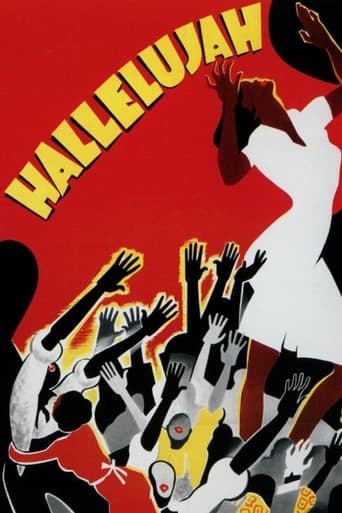
This archive lists one role for Robert Couch: Hallelujah (1929). ' directed by King Vidor, which was one of the first major studio films with an all-Black cast. Like many actors of color during this era, his opportunities in mainstream cinema were extremely limited, and he appears to have had a brief film career that lasted only during the year 1929. His participation in 'Hallelujah' placed him among the Black actors who appeared in early sound cinema during a time when representation was virtually nonexistent in Hollywood. The film itself was considered progressive for its time, though it still reflected many of the racial stereotypes common in the period. Unfortunately, like many supporting actors from this era, detailed records of his life and career are scarce, reflecting the marginalization of performers of color in early Hollywood history.
The Craft
Milestones
- Appeared in the groundbreaking all-Black cast film 'Hallelujah' (1929)
- Participated in one of MGM's early sound productions
- Contributed to early representation of African Americans in mainstream cinema
Best Known For
Iconic Roles
Must-See Films
Working Relationships
Worked Often With
Studios
Why They Matter
Impact on Culture
Robert Couch's contribution to cinema, while minor in scale, is part of the broader narrative of African American representation in early Hollywood. His appearance in 'Hallelujah' (1929) places him among the Black actors who broke barriers in mainstream cinema during the transition to sound films. The film itself was significant as one of the first major studio productions with an all-Black cast, and while it contained problematic elements by modern standards, it was considered progressive for its time and provided rare opportunities for Black performers in an era of extreme racial discrimination in the film industry.
Lasting Legacy
Robert Couch's legacy is tied to his participation in a historically significant film that represented a milestone in African American cinema. While his individual contribution may have been small, he was part of a collective effort that paved the way for future generations of Black actors in Hollywood. The scarcity of information about his life and career also serves as a reminder of the countless performers of color from early cinema whose stories have been lost to history due to the systemic neglect and documentation of minority contributions to American film.
Who They Inspired
As a minor actor from the early sound era, Robert Couch's direct influence on subsequent performers is difficult to trace. However, his participation in groundbreaking films like 'Hallelujah' contributed to the gradual opening of doors for African American actors in Hollywood, even if progress would remain slow for decades to come.
Off Screen
Very little is documented about Robert Couch's personal life, which is common for minor actors from this era, particularly performers of color whose lives and careers were not extensively recorded in mainstream Hollywood archives.
Did You Know?
- Robert Couch's only known film appearance was in 'Hallelujah' (1929)
- He was part of one of the first all-Black cast films produced by a major studio
- The film 'Hallelujah' was directed by King Vidor, who reportedly waived his salary to ensure the film could be made
- Hallelujah was both a critical and commercial success, unusual for films with all-Black casts in this era
- The film included both musical numbers and dramatic sequences, showcasing the versatility of its cast
- Robert Couch was one of many African American actors who found brief opportunities during the early sound era before roles became scarce again
- The film was shot partly on location in Tennessee and Arkansas to add authenticity
- Hallelujah was nominated for two Academy Awards, including Best Director for King Vidor
Frequently Asked Questions
Who was Robert Couch?
African American with credits in this catalog.
What films is Robert Couch best known for?
Titles linked here include Hallelujah (1929).
When was Robert Couch active in films?
Robert Couch's film career appears to have been extremely brief, with documented activity only in the year 1929, coinciding with the release of 'Hallelujah.'
What was significant about 'Hallelujah' (1929)?
'Hallelujah' was historically significant as one of the first all-Black cast films produced by a major studio (MGM), directed by King Vidor during the early transition to sound films in Hollywood.
Why is so little known about Robert Couch?
The scarcity of information about Robert Couch reflects the broader historical neglect of minority performers in early Hollywood archives, where supporting actors of color were often poorly documented despite their contributions to significant films.