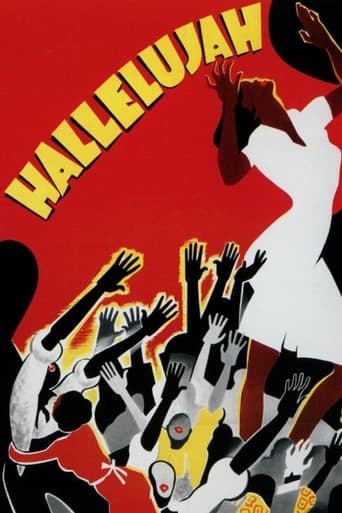
Films
1 film
About Walter Tait
Walter Tait worked on one surviving credit: Hallelujah (1929). His known filmography consists of a single appearance in King Vidor's 1929 musical drama 'Hallelujah,' which was notable for being one of the first major studio films with an all-Black cast. As an actor in this production, Tait was part of a significant moment in cinema history that attempted to present African American life with authenticity and dignity, a rarity for the era. Unfortunately, like many supporting actors from this period, particularly those from underrepresented communities, detailed records of his life and career are scarce. His brief appearance in 'Hallelujah' represents his entire documented film career, spanning just the year 1929. The lack of extensive documentation about Tait reflects the broader historical challenges in preserving the complete stories of early African American performers in Hollywood.
The Craft
Milestones
- Appeared in King Vidor's groundbreaking film 'Hallelujah' (1929)
Best Known For
Must-See Films
Working Relationships
Worked Often With
Studios
Why They Matter
Impact on Culture
Walter Tait's contribution to cinema, though brief, is part of the larger significance of 'Hallelujah' (1929) in film history. The film itself was groundbreaking as one of the first major studio productions with an all-Black cast, attempting to portray African American life with authenticity during an era of widespread racial stereotypes in Hollywood. As a participant in this effort, Tait contributed to a film that helped pave the way for more diverse representation in American cinema, even if the progress would be slow and uneven in the decades that followed.
Lasting Legacy
Walter Tait's legacy is intrinsically tied to his participation in 'Hallelujah,' a film that remains historically significant for its ambitious attempt at authentic representation of African American life. While his individual contribution may have been small, he was part of a collective effort that challenged Hollywood's racial norms of the late 1920s. The film itself continues to be studied by film historians and scholars interested in the evolution of racial representation in American cinema, ensuring that the contributions of all its performers, including Tait, are remembered as part of this important cinematic milestone.
Who They Inspired
Due to the extremely limited documentation of Walter Tait's career and life, there is little concrete evidence of his direct influence on other performers or filmmakers. However, his participation in 'Hallelujah' places him within the context of early African American actors who helped create opportunities for future generations. The film's success and artistic merit demonstrated that stories centered on Black characters could find both critical acclaim and commercial success, indirectly influencing the industry's gradual evolution toward more inclusive casting and storytelling.
Off Screen
Very little is documented about Walter Tait's personal life, which is unfortunately common for many supporting actors from the early sound era, particularly African American performers. Historical records from this period often failed to preserve comprehensive biographical information for actors who had brief or minor roles in the film industry.
Did You Know?
- Walter Tait's entire known film career consists of a single appearance in 1929
- He was part of the all-Black cast in 'Hallelujah,' which was revolutionary for its time
- The film 'Hallelujah' was directed by King Vidor, who fought to make it at MGM
- 'Hallelujah' was one of the first sound films to feature an all-Black cast
- The film was both a critical and commercial success despite industry skepticism
- Like many early African American actors, detailed biographical information about Tait is scarce
- His appearance came during the crucial transition from silent films to talkies
- The film was shot on location in Tennessee and Arkansas to add authenticity
- MGM initially hesitated to produce the film due to concerns about Southern audience reception
- Walter Tait is listed among the supporting cast but his specific role is not well documented
Frequently Asked Questions
Who was Walter Tait?
American with credits in this catalog.' He was part of an all-Black cast in this early sound musical drama, which was significant for being one of the first major studio productions to feature African American performers in leading roles.
What films is Walter Tait best known for?
Titles linked here include Hallelujah (1929).
When was Walter Tait born and when did he die?
Unfortunately, specific birth and death dates for Walter Tait are not documented in available historical records. This lack of biographical information is unfortunately common for many supporting actors from the early sound era, particularly African American performers whose contributions were not always thoroughly documented.
What awards did Walter Tait win?
There are no documented awards or nominations for Walter Tait. As a supporting actor with only one known film appearance in 1929, he was not recognized with formal honors during his brief time in the film industry.
What was Walter Tait's acting style?
Due to the extremely limited documentation of Walter Tait's career and the fact that he appeared in only one film, specific details about his acting style are not available in historical records. His performance in 'Hallelujah' would have been influenced by the transitional period from silent film acting to the new requirements of sound cinema.
Why is Walter Tait historically significant?
Walter Tait's significance lies in his participation in 'Hallelujah' (1929), a groundbreaking film that challenged Hollywood's racial norms. As part of the all-Black cast in this major MGM production, he contributed to cinema history during a pivotal moment when the industry was beginning to explore more authentic representations of African American life on screen.