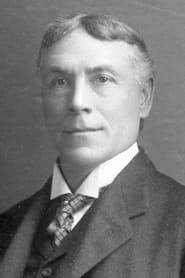
Frederick Warde
Actor
Born: February 12, 1851 in Plymouth, England Died: February 7, 1935 Active: 1870s-1935 (Stage), 1916-1917 (Film) Birth Name: Frederick Barkham Warde
Films
4 films
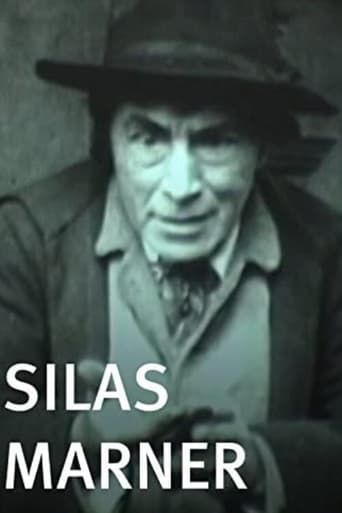
About Frederick Warde
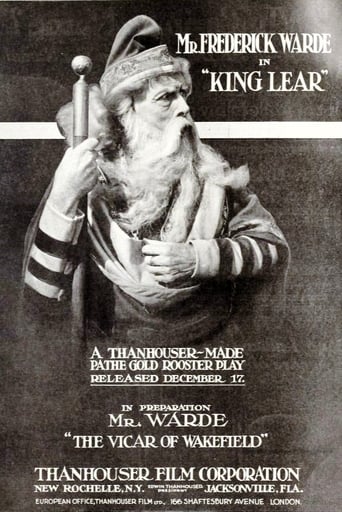
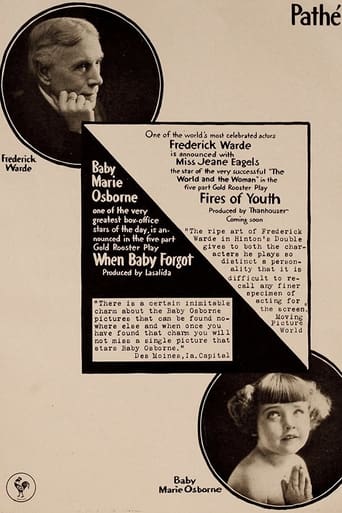
Frederick Barkham Warde — Shakespearean actor who became one of the first major stage stars to transition to motion pictures during the silent era. Born in England in 1851, Warde established himself as classical actors of the Victorian era, touring extensively throughout the United States with his own theater company. His commanding stage presence and mastery of Shakespearean roles made him a theatrical legend long before he entered the film industry. In 1916, at the age of 65, Warde made his film debut in a adaptation of King Lear, bringing his theatrical gravitas to the new medium of cinema. He followed this success with The Fires of Youth in 1917, cementing his place in early film history as one of the first classically trained actors to embrace the motion picture. Though his film career was brief, spanning only 1916-1917, Warde's work represented a crucial bridge between the theatrical traditions of the 19th century and the emerging art form of cinema. He continued to be revered as a theatrical elder statesman until his death in 1935, leaving behind a legacy as both a Shakespearean master and a film pioneer.
The Craft
On Screen
Warde's acting style was rooted in the grand, declamatory traditions of 19th-century Victorian theater, characterized by powerful vocal projection, sweeping gestures, and emotional intensity. His approach to Shakespearean roles emphasized classical diction and dramatic interpretation that translated well to the exaggerated requirements of silent film acting. Despite the theatrical nature of his performances, Warde possessed remarkable screen presence and the ability to convey complex emotions through facial expressions and body language, making his transition to film more successful than many of his contemporaries.
Milestones
- Became one of America's leading Shakespearean actors in the 1880s
- Toured extensively with his own theater company across the United States
- Starred in the first feature-length Shakespeare film King Lear (1916)
- Appeared in The Fires of Youth (1917) during the silent era
- Represented the transition from stage to screen acting in early cinema
- Mentored younger actors in classical performance techniques
Best Known For
Iconic Roles
Must-See Films
Accolades
Special Recognition
- Recognized as one of the first major Shakespearean actors to appear in feature films
- Honored as a pioneer of classical acting in early cinema
- Remembered as a bridge between Victorian theater and modern film performance
Working Relationships
Worked Often With
Studios
Why They Matter
Impact on Culture
Frederick Warde's significance in cinema history lies primarily in his role as a cultural bridge between the theatrical traditions of the 19th century and the emerging art form of motion pictures. As one of the first major Shakespearean actors to appear in feature-length films, Warde helped legitimize cinema as a medium capable of handling serious classical material. His appearance in King Lear (1916) demonstrated that complex literary works could be adapted to the screen, paving the way for future Shakespearean films. Warde's successful transition from stage to screen also showed other classical actors that film was a viable artistic medium, encouraging more theater performers to embrace cinema. His work represented an important moment in the evolution of acting styles, from the theatrical excess of Victorian drama to the more nuanced performance techniques required by film.
Lasting Legacy
Frederick Warde's legacy endures as that of a pioneer who helped establish the credibility of classical performance in cinema. His King Lear remains historically significant as one of the earliest feature-length Shakespeare films ever made, demonstrating the potential for literary adaptations in the new medium. Warde is remembered by film historians as an important figure in the transition from stage to screen acting, representing the moment when cinema began to attract serious theatrical talent. His career shows the adaptability of classical performers and the evolving nature of acting techniques during the birth of the film industry. Today, Warde is studied as an example of how traditional theatrical arts found new life and expression through motion pictures.
Who They Inspired
Warde influenced subsequent generations of actors by demonstrating that classical training could be successfully adapted to the demands of film performance. His work showed that the emotional depth and technical precision required for Shakespearean theater could translate effectively to the screen, encouraging other classically trained actors to pursue film careers. The success of his Shakespearean film adaptations influenced directors and producers to consider more ambitious literary projects for cinema. Warde's mentorship of younger actors helped spread classical performance techniques throughout American theater and eventually into film. His career path became a model for other stage actors seeking to transition to the growing motion picture industry during the silent era.
Off Screen
Frederick Warde emigrated from England to the United States in the 1870s, where he established himself as one of the country's leading classical actors. He married actress Marie Wainwright in 1876, and together they performed in numerous theatrical productions before their marriage ended. Warde was known as a respected teacher and mentor to younger actors, sharing his extensive knowledge of Shakespearean performance. He spent his later years in Brooklyn, New York, where he was revered as an elder statesman of the American theater until his death at age 83.
Education
Trained in classical theater and Shakespearean performance in England before emigrating to the United States
Family
- Marie Wainwright (1876-1889)
Did You Know?
- Was 65 years old when he made his film debut in King Lear (1916)
- His King Lear was one of the first feature-length Shakespeare films ever produced
- Spent over 40 years as a leading Shakespearean actor before entering films
- Toured extensively throughout the United States with his own theater company
- Was considered one of America's foremost interpreters of Shakespeare in the late 19th century
- His film career lasted only two years but was historically significant
- Helped legitimize cinema as a medium for serious classical literature
- Was part of the first wave of major stage actors to embrace motion pictures
- His acting style represented the transition from Victorian theatricality to modern film performance
- Died just five days before his 84th birthday in Brooklyn, New York
In Their Own Words
The stage is my home, but the camera is my window to immortality
Shakespeare speaks to all ages, and now through the miracle of motion pictures, to all generations
In theater we reach hundreds, in film we may reach millions, but the truth of performance remains the same
Frequently Asked Questions
Who was Frederick Warde?
Renowned Shakespearean with credits in this catalog. Born in England in 1851, he established himself as one of America's leading classical actors before transitioning to film in his 60s.
What films is Frederick Warde best known for?
Titles linked here include King Lear (1916), The Fires of Youth (1917).
When was Frederick Warde born and when did he die?
Born February 12, 1851; died February 7, 1935.
What awards did Frederick Warde win?
While Frederick Warde did not receive formal film awards during his era, he was recognized as a pioneer who helped legitimize cinema as a medium for classical performance and is honored as an important bridge between theater and film.
What was Frederick Warde's acting style?
Warde's acting style was rooted in Victorian theatrical traditions with powerful vocal projection and dramatic gestures, but he successfully adapted these techniques for silent film, using facial expressions and body language to convey emotion effectively on screen.
How did Frederick Warde influence cinema?
Warde influenced cinema by being one of the first major Shakespearean actors to embrace film, helping establish that serious classical literature could be successfully adapted to movies and encouraging other stage actors to transition to the new medium.
Why is Frederick Warde significant in film history?
Warde is significant because his work represented a crucial moment when cinema began attracting serious theatrical talent, helping legitimize film as an art form capable of handling complex classical material like Shakespeare.
What was Frederick Warde's career before film?
Before entering films, Warde had a 40-year career as one of America's leading Shakespearean actors, touring extensively with his own theater company and performing throughout the United States.