Dagmar Godowsky
Actor
Born: November 24, 1897 in New York City, New York, USA Died: February 13, 1975 Active: 1922-1925
Films
1 film
About Dagmar Godowsky
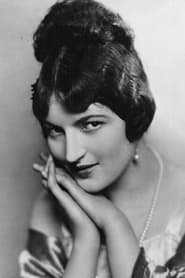
American silent-film actress best remembered for her striking screen presence, fashionable image, and supporting roles in a number of 1920s features and shorts. She was born into a prominent artistic family: her father was the world-famous violinist and composer Leopold Godowsky, and she grew up in an environment associated with culture, music, and cosmopolitan society. She entered motion pictures during the silent era and, like many performers of the period, worked across a variety of melodramas, comedies, and romantic pictures, including the 1922 film The Trap. Godowsky often appeared in roles that emphasized glamour, sophistication, or enigmatic allure, and she became associated with the distinctive look and performance style of the jazz-age screen heroine. Beyond acting, she was known in Hollywood social circles for her beauty, her marriage into the writing world, and her personal life, which attracted as much attention as her film work. Her screen career was concentrated in the silent era and does not appear to have extended meaningfully into sound-film stardom, which left her remembered today primarily as a personality of early Hollywood rather than as a long-running studio star. She remains of interest to classic-cinema historians because she represents the many talented, image-driven actresses whose careers illuminated the transitional world of the silent screen.
The Craft
On Screen
Dagmar Godowsky’s acting style, as preserved in surviving references and stills, fits the expressive but refined silent-film manner of the early 1920s. She was typically cast in parts that relied on poise, facial expression, and elegant body language rather than broad comedy or overt melodrama. Her screen persona was often glamorous, self-possessed, and slightly mysterious, suggesting a performer who worked effectively with the silent medium’s emphasis on visual nuance.
Milestones
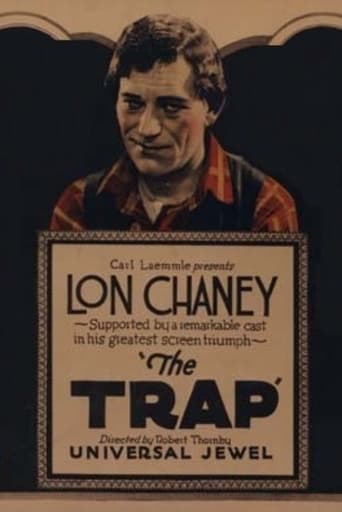
- Appeared in the silent feature The Trap (1922)
- Built a career as a silent-era screen actress noted for glamour and strong visual presence
- Worked in a range of 1920s silent films and shorts during Hollywood's jazz-age period
- Was part of the extended artistic legacy of the Godowsky family, with a famous musical lineage
- Became a recognizable figure in Hollywood social and publicity circles during the silent era
Best Known For
Iconic Roles
Must-See Films
Working Relationships
Worked Often With
Studios
Why They Matter
Impact on Culture
Dagmar Godowsky’s cultural significance lies less in marquee stardom than in what she represents within silent-era Hollywood: the elegant, cosmopolitan actress whose appeal depended on image, poise, and the visual storytelling of early cinema. She embodied a type of 1920s screen femininity that blended sophistication, beauty, and emotional restraint, contributing to the broader glamour culture that developed around the silent screen. Because she came from an elite artistic family, she also served as an example of how old-world cultural prestige and modern movie celebrity intersected in early Hollywood. Her visibility in society pages and film publicity helped reinforce the era’s fascination with actresses as style icons as much as performers. Even though her filmography was relatively limited, she remains part of the historical fabric of silent cinema and the social mythology of the Roaring Twenties film world.
Lasting Legacy
Her legacy is that of a representative silent-era actress whose career preserves the aesthetics and celebrity culture of early Hollywood. Film historians interested in the 1920s often value performers like Godowsky because they help illustrate how many actresses contributed to the texture of the period without becoming enduring major stars. She is also remembered through her famous family background, which connects cinema history to the larger history of European musical culture. In archival photographs and cast listings, she remains a recognizable name for researchers studying glamorous supporting players of the silent era. Her career stands as a reminder that classic film history includes not only the most famous stars, but also the many cultivated, visually memorable performers who gave silent cinema its distinctive richness.
Who They Inspired
Dagmar Godowsky influenced classic-film culture primarily through her image and through the model she offered of the socially prominent, elegant silent actress. She helped define a kind of sophisticated feminine screen presence that was common in the early 1920s, especially in supporting and featured roles. While she is not usually cited as a major artistic innovator, her work contributed to the visual language of silent performance and to the era's taste for cosmopolitan glamour. Later performers in vintage-cinema scholarship are often assessed through the lens of such actresses, whose careers reveal how beauty, posture, and expressiveness functioned as tools of screen acting before synchronized sound.
Off Screen
Dagmar Godowsky came from a and internationally known musical family, which shaped her social standing and early public image. She married the writer and screenwriter Arthur Hornblow Jr., linking her to another notable Hollywood-connected family; their marriage later ended in divorce. Contemporary accounts and later biographical references often emphasize her beauty, fashion sense, and prominence in social columns, which made her a recognizable figure even beyond the films themselves. Her personal life, like that of many silent-era performers, was frequently discussed in the press, contributing to her celebrity in the 1920s. She did not become known for a large body of sound-film work, and later life moved away from the level of public visibility she had enjoyed during her film years.
Education
Specific formal schooling is not well documented in standard film references; she was raised in a cultured household and was the daughter of composer-pianist Leopold Godowsky.
Family
- Arthur Hornblow Jr. (married 1919; divorced)
Did You Know?
- She was the daughter of internationally famous pianist and composer Leopold Godowsky.
- Her first name, Dagmar, reflected the fashionable European naming trends often admired in the early 20th century.
- She is associated with the silent era rather than the sound era, and most of her known screen work dates from the early 1920s.
- She married writer and screenwriter Arthur Hornblow Jr., connecting her to another prominent literary and entertainment family.
- She was often photographed and discussed for her beauty and elegance as much as for her acting.
- She appeared in The Trap (1922), which is one of the titles most frequently linked to her in film databases.
- Her career is an example of how many silent-film actresses were remembered through publicity photographs, society coverage, and scattered surviving credits.
- Because many silent films are lost or incomplete, parts of her filmography are less documented than those of major stars.
Frequently Asked Questions
Who was Dagmar Godowsky?
American silent-film actress active in the early 1920s. She is remembered for her glamorous screen presence and for appearing in films such as The Trap (1922).
What films is Dagmar Godowsky best known for?
Titles linked here include The Trap (1922), Silk Hosiery (1920s silent-era feature associated with her screen work).
When was Dagmar Godowsky born and when did she die?
Born November 24, 1897; died February 13, 1975.
What awards did Dagmar Godowsky win?
No major film awards or formal nominations are widely documented for Dagmar Godowsky. Like many silent-era performers, her recognition came more from screen visibility, publicity, and historical interest than from awards culture.
What was Dagmar Godowsky's acting style?
Her acting style fit the silent era’s emphasis on expressive facial detail, elegant movement, and visual glamour. She was especially suited to poised, sophisticated roles that relied on atmosphere and screen presence.
What was Dagmar Godowsky's background?
She came from a artistic family and was the daughter of the renowned pianist and composer Leopold Godowsky. That background gave her a cultured profile that set her apart in Hollywood and contributed to her high-society image.
What is Dagmar Godowsky's legacy in film history?
Her legacy lies in her place among the many memorable silent-era actresses who helped define early Hollywood glamour. She is also remembered as part of a notable artistic family, making her a useful figure for understanding the intersection of celebrity, culture, and silent cinema.