Wan Laiming
Actor & Director
Born: January 18, 1900 in Nanjing, Jiangsu Province, China Died: October 7, 1997 Active: 1920s-1990s Birth Name: Wan Laiming (万籁鸣)
Films
1 film
About Wan Laiming
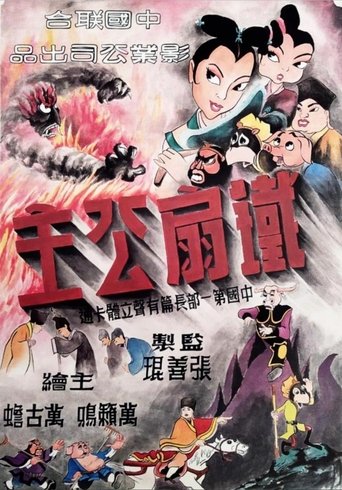
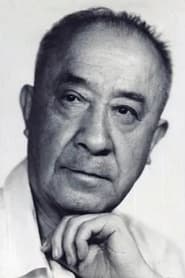
Wan Laiming (1900-1997) was a Chinese animator and filmmaker who, along with his brothers Wan Guchan, Wan Chaochen, and Wan Dihuan, established the foundation of Chinese animation industry. Born in Nanjing, Jiangsu province, Wan Laiming showed artistic talent from an early age and studied Western painting in Shanghai. In the 1920s, he and his brothers established China's first animation studio and began creating short animated films, with their 1926 work 'Uproar in the Studio' being considered China's first animated film. During the Second Sino-Japanese War, the brothers moved to Chongqing where they created their masterpiece 'Princess Iron Fan' (1941), which became Asia's first animated feature film. After the founding of the People's Republic of China, Wan Laiming continued his animation work at the Shanghai Animation Film Studio, where he co-directed the acclaimed 'Havoc in Heaven' (1961, 1964). His over seven decades, during which he witnessed and shaped the entire development of Chinese animation from its infancy to maturity.
The Craft
Behind the Camera
Wan Laiming's directing style was heavily influenced by traditional Chinese art forms, particularly ink wash painting and Beijing opera. He incorporated distinctive Chinese cultural elements and aesthetics into his animation, creating a unique visual language that Chinese animation from Western styles. His films often featured vibrant colors, fluid movement inspired by Chinese martial arts, and storytelling rooted in Chinese mythology and folklore. Wan Laiming emphasized the importance of cultural authenticity in animation, believing that Chinese animation should reflect and preserve Chinese cultural heritage.
Milestones
- Co-founded China's first animation studio in the 1920s
- Created China's first animated film 'Uproar in the Studio' (1926)
- Directed Asia's first animated feature film 'Princess Iron Fan' (1941)
- Co-directed the classic 'Havoc in Heaven' (1961, 1964)
- Received lifetime achievement awards for contributions to Chinese animation
Best Known For
Must-See Films
Accolades
Won
- Special Golden Rooster Award for Lifetime Achievement (1985)
- China Film Lifetime Achievement Award (1995)
- Outstanding Contribution to Chinese Animation Award
Nominated
- International Film Festival recognition for 'Havoc in Heaven'
- Various national film award nominations throughout career
Special Recognition
- Recognized as 'Father of Chinese Animation'
- Honored as one of the 100 most influential figures in Chinese cinema
- Postage stamps issued commemorating his contributions to Chinese animation
Working Relationships
Worked Often With
Studios
Why They Matter
Impact on Culture
Wan Laiming's impact on Chinese cinema and culture is immeasurable as he essentially created the Chinese animation industry from scratch. His work established a distinctly Chinese animation aesthetic that drew from the nation's rich artistic traditions, creating an alternative to the dominant Disney style of the era. 'Princess Iron Fan' not only became Asia's first animated feature but also demonstrated that China could produce sophisticated animated films during wartime, serving as a source of national pride. His later masterpiece 'Havoc in Heaven' remains. Wan Laiming's emphasis on cultural authenticity helped preserve traditional Chinese art forms and stories through the medium of animation.
Lasting Legacy
Wan Laiming's legacy endures as the foundational figure of Chinese animation, often referred to as the 'Walt Disney of China.' His work established the technical and artistic standards for Chinese animation that continue to influence the industry today. The Wan brothers' studio model and collaborative approach became the template for animation production in China. Many of the techniques he developed, particularly the integration of traditional Chinese art forms with animation technology, are still studied and emulated by contemporary Chinese animators. His films, especially 'Havoc in Heaven,' remain cultural touchstones that are regularly screened and referenced in Chinese popular culture. Wan Laiming also left behind a wealth of writings and teachings about animation theory and practice that continue to educate new generations of Chinese animators.
Who They Inspired
Wan Laiming directly influenced the development of animation studios across China and inspired animators throughout Asia to explore their own cultural traditions rather than simply imitating Western styles. His success with 'Princess Iron Fan' proved that animated features could be produced outside Hollywood, encouraging other Asian countries to develop their own animation industries. Many prominent Chinese animators, including Te Wei and Dai Tielang, built upon the foundation Wan Laiming established. His emphasis on combining traditional art with modern technology influenced not just animation but also other areas of Chinese cinema. Contemporary Chinese animated films and series often reference or pay homage to Wan Laiming's work, particularly his adaptation of 'Journey to the West' stories. International animation scholars frequently cite Wan Laiming as an example of how animation can serve as a vehicle for cultural preservation and expression.
Off Screen
Wan Laiming came from a family of artists and was the eldest of the famous Wan brothers who pioneered Chinese animation. He married and had children who continued the family's artistic legacy. Throughout his life, Wan Laiming remained dedicated to the development of Chinese animation, mentoring younger animators and sharing his expertise. He experienced the dramatic changes in China throughout the 20th century, from the Republic of China era through the founding of the People's Republic, adapting his work to different political and social contexts while maintaining his artistic vision.
Education
Studied Western painting at Shanghai Art Academy; self-taught in animation techniques through experimentation and observation of foreign animated films
Family
- Name not widely documented in available sources
Did You Know?
- Wan Laiming and his brothers started by making short animated advertisements for businesses in Shanghai before creating artistic films
- The production of 'Princess Iron Fan' took over a year and involved 23 artists working by hand
- 'Princess Iron Fan' was released in Asia during World War II and also screened in the United States, making it one of the first Chinese animated films with international distribution
- Wan Laiming was inspired to create animation after seeing American cartoons like 'Felix the Cat' and 'Out of the Inkwell'
- During the Cultural Revolution, Wan Laiming's work was temporarily criticized, but he was later rehabilitated and honored for his contributions
- The Wan brothers' animation techniques were largely self-taught through reverse-engineering foreign films and experimenting with different processes
- 'Havoc in Heaven' was produced in two parts (1961 and 1964) due to its ambitious scope and technical complexity
- Wan Laiming lived to be 97 years old, witnessing nearly the entire history of Chinese animation
- His films were often adaptations of classic Chinese literature, particularly 'Journey to the West'
- The Wan brothers' early films were destroyed during the Japanese invasion of China, making 'Princess Iron Fan' their earliest surviving major work
In Their Own Words
Animation should have national characteristics. If we lose our national style, we lose our soul.
We must learn from foreign animation, but we must not simply imitate. We must create our own Chinese animation.
The purpose of animation is not just to entertain, but to educate and to preserve our cultural heritage.
Every frame of animation should be a work of art, worthy of being appreciated on its own.
Frequently Asked Questions
Who was Wan Laiming?
Chinese animator and on YTB.my.' Along with his brothers, he established China's first animation studio and created the country's first animated films, including Asia's first animated feature film 'Princess Iron Fan' (1941).
What films is Wan Laiming best known for?
Titles linked here include Princess Iron Fan (1941), Havoc in Heaven (1961, 1964).
When was Wan Laiming born and when did he die?
Born January 18, 1900; died October 7, 1997.
What awards did Wan Laiming win?
Wan Laiming received the Special Golden Rooster Award for Lifetime Achievement in 1985, the China Film Lifetime Achievement Award in 1995, and was honored with various Outstanding Contribution to Chinese Animation awards. He was also recognized as one of the 100 most influential figures in Chinese cinema.
What was Wan Laiming's directing style?
Wan Laiming's directing style incorporated traditional Chinese art forms, particularly ink wash painting and Beijing opera aesthetics. He emphasized cultural authenticity, using vibrant colors, fluid movement inspired by martial arts, and storytelling rooted in Chinese mythology to create a uniquely Chinese animation language distinct from Western styles.