
June Lockhart
Actor
Born: June 25, 1925 in New York City, New York, USA Active: 1938-present
Films
1 film
About June Lockhart
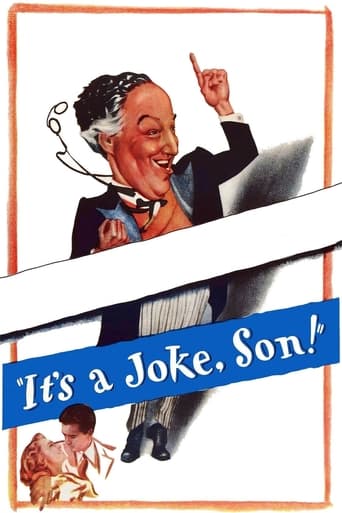
June Lockhart is an American actress whose career spans over eight decades in film, television, and theater. Born into a theatrical family, she made her film debut as a child actress in the 1930s and continued to build her career throughout the Golden Age of Hollywood. She gained widespread recognition for her role as Ruth Martin in the television series 'Lassie' (1958-1964) and later as Dr. Maureen Robinson in the cult classic sci-fi series 'Lost in Space' (1965-1968). Lockhart's career began with stage performances alongside her parents, and she made her Broadway debut at age 8. Her film work in the 1940s included roles in movies like 'It's a Joke, Son!' (1947), 'The Yearling' (1946), and 'She-Wolf of London' (1946). She successfully transitioned from film to television, becoming one of the medium's actresses. Lockhart continued acting well into her 90s, appearing in guest roles on various television shows and maintaining her status as a beloved figure in American entertainment.
The Craft
On Screen
Lockhart is known for her warm, maternal screen presence and versatile acting range. She excels at portraying strong yet nurturing characters, bringing authenticity and emotional depth to both dramatic and comedic roles. Her classical training in theater provided her with a solid foundation in character development, allowing her to transition seamlessly between stage, film, and television. She often played the moral center or maternal figure in productions, using her natural warmth and intelligence to create believable, relatable characters.
Milestones
- Broadway debut at age 8 in 'Peter Pan' (1933)
- Film debut in 'A Christmas Carol' (1938)
- Tony Award nomination for 'For Love or Money' (1947)
- Starred as Ruth Martin in 'Lassie' TV series (1958-1964)
- Iconic role as Dr. Maureen Robinson in 'Lost in Space' (1965-1968)
- Hollywood Walk of Fame star (1960)
Best Known For
Iconic Roles
Must-See Films
Accolades
Won
- Tony Award for Best Featured Actress in a Play nomination (1947)
- TV Land Award for 'Favorite Supermom' (2005)
Nominated
- Tony Award nomination for 'For Love or Money' (1947)
- Emmy Award nomination for 'Lassie' (1960)
Special Recognition
- Hollywood Walk of Fame star (1960)
- Golden Boot Award (1996)
- Western Heritage Award (1965)
Working Relationships
Worked Often With
Studios
Why They Matter
Impact on Culture
June Lockhart significantly influenced American television culture through her iconic maternal roles that defined family entertainment in the 1950s and 1960s. As Ruth Martin in 'Lassie,' she helped establish the template for the ideal television mother - warm, wise, and nurturing. Her role in 'Lost in Space' made her one of television's first science fiction heroines, breaking ground for women in the genre. Lockhart's characters became cultural touchstones for baby boomers, representing stability and family values during a period of social change. Her work helped legitimize television as a medium for serious acting and paved the way for future generations of television actresses.
Lasting Legacy
June Lockhart's legacy extends beyond her acting roles to her status as a television pioneer and cultural icon. She represents the transition from Hollywood's Golden Age to the television era, successfully adapting her craft to the new medium. Her characters have endured as symbols of American family values and have been referenced in countless parodies and homages. Lockhart's longevity in the entertainment industry, spanning from child actress to nonagenarian performer, demonstrates remarkable adaptability and dedication to her craft. She has inspired generations of actors, particularly women in science fiction, and remains a beloved figure at fan conventions and nostalgia events.
Who They Inspired
Lockhart influenced television casting practices by proving that maternal characters could be complex and central to narratives, not just supporting roles. Her success in both dramatic and science fiction genres demonstrated the versatility required of television actors. She mentored younger actors throughout her career and advocated for better working conditions in television production. Her portrayal of intelligent, capable women in science fiction helped challenge gender stereotypes and inspired future creators to write more substantial roles for women in genre entertainment.
Off Screen
June Lockhart was born into a prominent theatrical family and was exposed to the entertainment industry from birth. She married twice - first to Dr. John F. Maloney from 1951 to 1959, with whom she had two daughters, Anne and June Elizabeth. Her second marriage was to architect John Lindsay from 1959 to 1970. Both of her daughters followed in her footsteps to become actresses. Lockhart has been open about the challenges of balancing her career with motherhood during the height of her fame. She has maintained a relatively private personal life while remaining active in charitable causes and animal welfare organizations.
Education
Studied at the Professional Children's School in New York, received formal theatrical training from her parents Gene and Kathleen Lockhart
Family
- Dr. John F. Maloney (1951-1959)
- John Lindsay (1959-1970)
Did You Know?
- Made her Broadway debut at age 8 playing Wendy Darling opposite her mother as Mrs. Darling
- Both her parents were successful actors, making her a third-generation performer
- She was the first actress to play the mother role in 'Lassie' for the longest duration
- Her daughter Anne Lockhart played her daughter in the 'Lassie' television movie 'The Amazing Mr. Franklin'
- She appeared in over 100 television episodes across various shows
- Lockhart — licensed pilot and enjoyed flying as a hobby
- She was a vocal advocate for animal welfare throughout her career
- She appeared in the original
- Perry Mason' series three times in different roles',
- She was nominated for a Tony Award before achieving television fame
- She continues to make appearances at science fiction conventions celebrating 'Lost in Space'
In Their Own Words
'I've been very lucky. I've worked with wonderful people and I've had wonderful roles.' - on her long career
'Television was just starting when I began, and it was like the Wild West. We were making it up as we went along.' - on early television
'Playing mothers was never a limitation for me. I tried to make them real, three-dimensional people with their own hopes and dreams.' - on her maternal roles
'Lost in Space' was ahead of its time in many ways. We were a family that worked together to solve problems, and that message still resonates.' - on her sci-fi legacy
Frequently Asked Questions
Who was June Lockhart?
June Lockhart is an American actress with a career spanning over eight decades, known for her roles as Ruth Martin in 'Lassie' and Dr. Maureen Robinson in 'Lost in Space.' Born in 1925 to a theatrical family, she began as a child actress and became a television pioneer, particularly known for portraying strong maternal characters during the Golden Age of Television.
What films is June Lockhart best known for?
Titles linked here include The Yearling (1946), It's a Joke, Son! (1947).
When was June Lockhart born and when did she die?
Born June 25, 1925; died death date not listed.
What awards did June Lockhart win?
Lockhart received a Tony Award nomination for 'For Love or Money' in 1947 and an Emmy nomination for 'Lassie' in 1960. She was honored with a star on the Hollywood Walk of Fame in 1960 and received a TV Land Award for 'Favorite Supermom' in 2005. She also won the Golden Boot Award in 1996 and a Western Heritage Award in 1965.
What was June Lockhart's acting style?
Lockhart is known for her warm, authentic acting style and emotional range. With classical theater training, she excels at creating believable, nurturing characters while bringing depth to maternal roles. Her natural warmth and intelligence allowed her to transition seamlessly between dramatic and comedic performances across stage, film, and television.