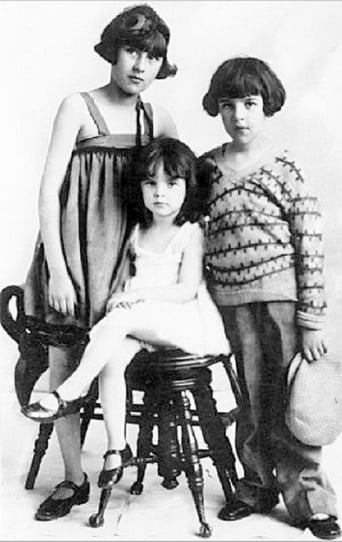
Mary Jane Gumm
Actor
Born: September 24, 1915 in Grand Rapids, Minnesota, USA Died: May 5, 1964 Active: 1920s-early 1930s
Films
1 film
About Mary Jane Gumm
American performer best known as the middle sister of the famous Gumm Sisters vaudeville trio, which included her younger sister Judy Garland (born Frances Ethel Gumm). Born into a show business family in Minnesota, Mary Jane began performing with her sisters Virginia and Frances at a young age, touring the vaudeville circuit throughout the 1920s. The sisters appeared in several short films during the early sound era, including 'The Big Revue' (1929), which was one of their earliest screen appearances. Unlike her sister Judy who would become one of Hollywood's greatest legends, Mary Jane's entertainment career was relatively brief, as she eventually chose to step away from the spotlight. She married and lived a more private life while her younger sister's star continued to rise. Mary Jane's contributions to early entertainment history remain significant as part of the foundation that supported Judy Garland's career, and she represents the often-overlooked family members who played crucial roles in shaping Hollywood's greatest talents.
The Craft
On Screen
Vaudeville-style performance with emphasis on singing and dancing, typical of the era's family entertainment acts
Milestones
- Member of The Gumm Sisters vaudeville trio
- Appeared in early sound short films
- Performed throughout the vaudeville circuit
- Part of early entertainment career that supported Judy Garland's development
Best Known For
Iconic Roles
Must-See Films
Accolades
Special Recognition
- Remembered as part of early Hollywood entertainment history through association with Judy Garland's legacy
Working Relationships
Worked Often With
Studios
Why They Matter
Impact on Culture
Mary Jane Gumm's cultural impact is primarily through her role in The Gumm Sisters, which served as the training ground and launchpad for one of Hollywood's greatest talents, Judy Garland. As part of a family entertainment act during the transition from vaudeville to early cinema, she represents the collaborative nature of early American entertainment and the importance of family acts in developing future stars. Her story illustrates how many talented performers contributed to Hollywood's golden era without achieving individual fame, forming the essential support system that enabled legends to emerge.
Lasting Legacy
Mary Jane Gumm's legacy is intertwined with that of her sister Judy Garland, serving as a reminder of the family foundations that supported Hollywood's greatest stars. While she did not achieve individual fame, her contributions to early vaudeville and cinema as part of The Gumm Sisters represent an important chapter in American entertainment history. Her story highlights the often-overlooked performers who were essential to the development of the entertainment industry during its formative years, and her choice to leave show business for a more private life offers insight into the different paths available to performers in early Hollywood.
Who They Inspired
Mary Jane Gumm's influence is primarily seen in her role as part of the environment that nurtured Judy Garland's extraordinary talent. The discipline and professionalism developed through years of vaudeville performance with The Gumm Sisters undoubtedly contributed to the work ethic and stage presence that would characterize Judy Garland's screen career. As a family performer, she represents the collaborative nature of early entertainment and the way family acts served as incubators for individual talent that would later shape American cinema.
Off Screen
Mary Jane Gumm married Robert L. Donahue and eventually stepped away from the entertainment industry to focus on family life. She maintained a relatively private existence compared to her famous sister Judy Garland, though she remained connected to her family throughout her life. As the middle sister, she often played a stabilizing role in the Gumm family dynamics during their years in vaudeville and early Hollywood.
Education
Limited formal education due to early start in vaudeville performance; primarily educated through touring and performance experience
Family
- Robert L. Donahue (married date unknown - 1964)
Did You Know?
- Was the middle of three Gumm sisters who performed together
- Her younger sister Frances Ethel Gumm became world-famous as Judy Garland
- The Gumm Sisters reportedly chose their name because it sounded more 'show business' than their actual surname
- Appeared in several early sound short films that are now considered historical artifacts
- Left show business before her sister Judy achieved major stardom
- The family moved from Minnesota to California to pursue better entertainment opportunities
- Her mother Ethel Gumm — former vaudeville performer who managed the sisters' career
- The Gumm Sisters performed at various theaters across the United States during their vaudeville years
- Unlike many child performers, she successfully transitioned to private life away from entertainment
- Her death in 1964 came just five years before her sister Judy's passing in 1969
In Their Own Words
Limited documented quotes available due to private lifestyle after leaving entertainment
Frequently Asked Questions
Who was Mary Jane Gumm?
American performer and the middle sister of The Gumm Sisters vaudeville trio, which included her younger sister who would become famous as Judy Garland. She performed throughout the 1920s and early 1930s before leaving show business for a more private life.
What films is Mary Jane Gumm best known for?
Titles linked here include The Big Revue (1929), A Holiday in Storyland (1929).
When was Mary Jane Gumm born and when did she die?
Born September 24, 1915; died May 5, 1964.
What awards did Mary Jane Gumm win?
Mary Jane Gumm did not receive individual awards or nominations during her entertainment career. Her recognition comes primarily through her association with The Gumm Sisters and her role in the early career development of her sister Judy Garland.
What was Mary Jane Gumm's performing style?
Mary Jane Gumm performed in the vaudeville tradition with her sisters, specializing in singing and dancing routines typical of family entertainment acts of the 1920s. Their style was polished and professional, reflecting the rigorous training required for successful vaudeville performances during that era.
Why did Mary Jane Gumm leave show business?
Mary Jane Gumm chose to leave show business as the entertainment industry was changing and her younger sister Judy was emerging as the standout talent. She married and pursued a more private life, unlike her sister who continued in entertainment to become one of Hollywood's greatest stars.
How was Mary Jane Gumm related to Judy Garland?
Mary Jane Gumm was Judy Garland's older sister. Born Frances Ethel Gumm, Judy Garland was the youngest of the three Gumm sisters who performed together as The Gumm Sisters before Judy's solo career took off.