No Poster
Films
1 film
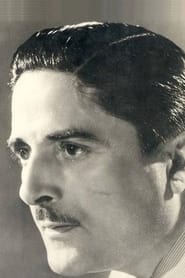
About Henri Bosc
Henri Bosc worked on one surviving credit: Chicot the Jester (1913). Specifically known for his role in the 1913 silent film 'Chicot the Jester.' His career was remarkably brief, with documented activity limited to the single year of 1913, which was typical for many actors during the era of French cinema. The film 'Chicot the Jester' was based on Alexandre Dumas's historical novel about the court of King Henry III of France, placing Bosc's work within the popular trend of literary adaptations in early French cinema. Like many actors of this period, Bosc likely came from a theatrical background, transitioning to the new medium of film as it gained popularity in France. The limited documentation of his career suggests he may have been primarily a stage actor who made only occasional forays into cinema, or perhaps his film career was cut short by the outbreak of World War I in 1914, which disrupted the French film industry significantly. His performance in 'Chicot the Jester' represents his only surviving contribution to cinematic history, making him a representative figure of the countless actors who participated in cinema's formative years but left minimal documentation of their artistic endeavors.
The Craft
On Screen
Likely employed theatrical acting techniques common in early silent cinema, with exaggerated gestures and expressions to convey emotion without dialogue
Milestones
- Starred in 'Chicot the Jester' (1913)
- Participated in early French silent cinema
Best Known For
Iconic Roles
Must-See Films
Working Relationships
Studios
Why They Matter
Impact on Culture
Henri Bosc represents the countless actors who participated in the birth of cinema during its formative years in France. His work in 'Chicot the Jester' contributes to the historical record of early French cinema's adaptation of literary classics, a trend that helped establish narrative film as an art form. While his individual impact may be minimal due to his brief career, he is part of the foundational generation of performers who helped transition theatrical storytelling to the new medium of film.
Lasting Legacy
Henri Bosc's legacy is preserved primarily through his participation in the 1913 adaptation of Alexandre Dumas's work, representing the early French film industry's efforts to bring classic literature to the screen. He serves as an example of the many actors from cinema's decade whose contributions, while significant to film history, remain largely undocumented due to the limited record-keeping and preservation practices of the era.
Who They Inspired
As an actor from the very early days of cinema, Henri Bosc's direct influence on subsequent performers is difficult to trace, which is typical for actors of his era. However, his participation in early narrative films contributed to the development of screen acting techniques that would evolve throughout the silent period and beyond.
Off Screen
Very little is documented about Henri Bosc's personal life, which is typical for actors of the early silent era who were not major stars. As with many performers from this period, detailed biographical information was rarely preserved, especially for those with brief film careers.
Did You Know?
- Appeared in only one known film during his entire career
- His film 'Chicot the Jester' was based on a novel by Alexandre Dumas
- Worked during the peak period of French cinema's artistic dominance before World War I
- His career coincided with the transition from short films to feature-length narratives
- Part of the generation of actors who helped establish cinema as a legitimate art form in France
- Like many early film actors, likely had a background in stage theater
- His brief career may have been interrupted by World War I, which devastated the European film industry
Frequently Asked Questions
Who was Henri Bosc?
French with credits in this catalog.' His career was limited to a single year of documented activity, making him a representative figure of the many actors who participated in cinema's formative years but left minimal documentation of their work.
What films is Henri Bosc best known for?
Titles linked here include Chicot the Jester (1913).
When was Henri Bosc born and when did he die?
Specific birth and death dates for Henri Bosc are not documented in historical records, which is typical for many actors from the early silent era who were not major stars. We know he was active as an actor in 1913 and was of French nationality.
What awards did Henri Bosc win?
Henri Bosc did not receive any documented awards or honors during his brief career. The formal award systems for cinema, including the Academy Awards, were not established until later in the 1920s, well after his period of activity.
What was Henri Bosc's acting style?
Based on the period in which he worked, Henri Bosc likely employed theatrical acting techniques common in early silent cinema, featuring exaggerated gestures and facial expressions to convey emotion to audiences without the benefit of synchronized sound. This style was typical of actors transitioning from stage to screen during cinema's years.